
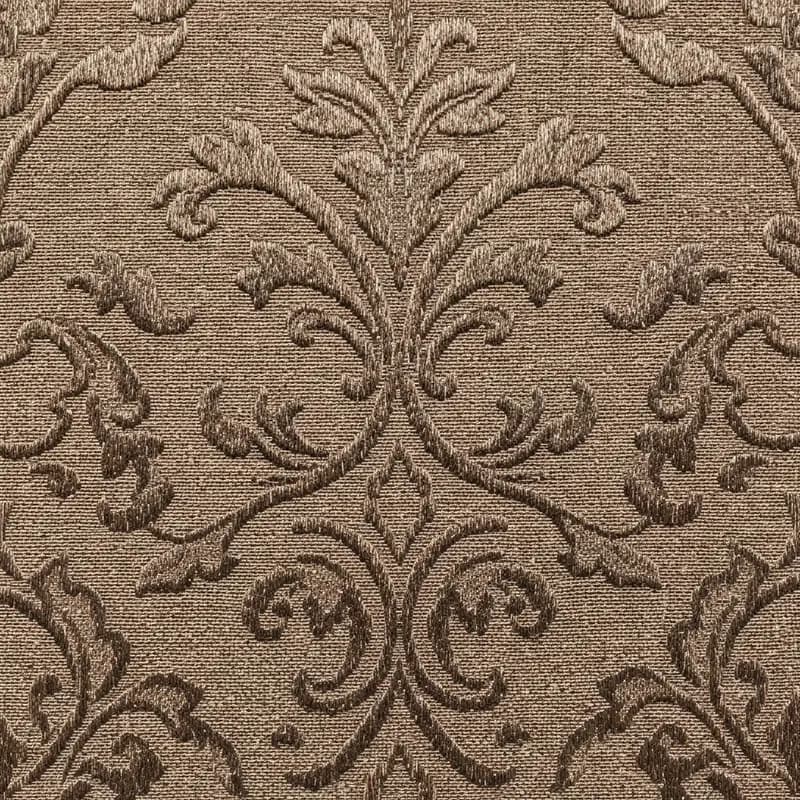
History & Origin
The Jacquard loom's invention in Lyon, France in 1804 revolutionised textile production globally by automating the creation of complex woven patterns that previously required teams of 'draw boys' to manually lift warp threads. The technology reached India during the British colonial period and was quickly adopted by Indian weavers and mills. Traditional Indian handloom techniques like Banarasi brocade weaving had long used sophisticated manually-operated jacquard-equivalent mechanisms; the industrial jacquard loom allowed similar complexity at much greater speed.
Today, India's Surat, Varanasi, and Dharmavaram weaving centres produce vast quantities of power-loom jacquard fabric across all base fibres — silk, polyester, viscose, cotton blends. The computerisation of jacquard looms has enabled increasingly complex patterns, fine detail reproduction, and photographic-quality woven designs that were previously impossible. This makes modern jacquard one of the most technically sophisticated and visually diverse fabric categories in the Indian market.
How to Identify Authentic / Quality Jacquard
- Check both sides — quality jacquard shows the pattern on both sides of the fabric (though the reverse may be slightly different in colour tone); printed fabric only has pattern on one side
- Feel the texture — jacquard patterns have a slight three-dimensional texture (raised or recessed depending on the weave) that you can feel with your fingertips; printed or screen-printed patterns feel flat
- Examine under magnification — a magnifying glass (or phone camera zoom) reveals the interlocking warp and weft structure of woven jacquard vs the ink layer of printed 'jacquard'
- Tension test — gently stretch a small area; quality jacquard holds its pattern under tension; printed patterns on stretch fabrics can distort at the print layer when stretched
Types / Varieties
| Type | Characteristic | Price Range | Best For |
|---|---|---|---|
| Silk Jacquard | Silk base with woven pattern; luxurious, breathable, excellent drape | Rs 2,500 – Rs 15,000 | Sarees, luxury kurtis, occasion wear |
| Polyester Jacquard | Affordable, durable, wide pattern range, wrinkle-resistant | Rs 600 – Rs 2,500 | Everyday festive kurtis, dupattas |
| Viscose/Rayon Jacquard | Soft hand, semi-natural, good drape, better breathability | Rs 900 – Rs 3,500 | Kurtis, indo-western, work wear |
| Cotton Jacquard | Breathable, sturdy pattern, more casual appearance | Rs 800 – Rs 3,000 | Everyday kurtis, home wear |
Best Brands
For silk jacquard sarees and premium pieces, brands like Ekaya Banaras and various Varanasi-based weaver cooperatives are excellent sources. In the accessible festive market, Biba, W For Woman, and Global Desi carry quality polyester and viscose jacquard kurtis. For fabric yardage, Surat wholesale markets have the widest variety of jacquard in all fibres and price points.
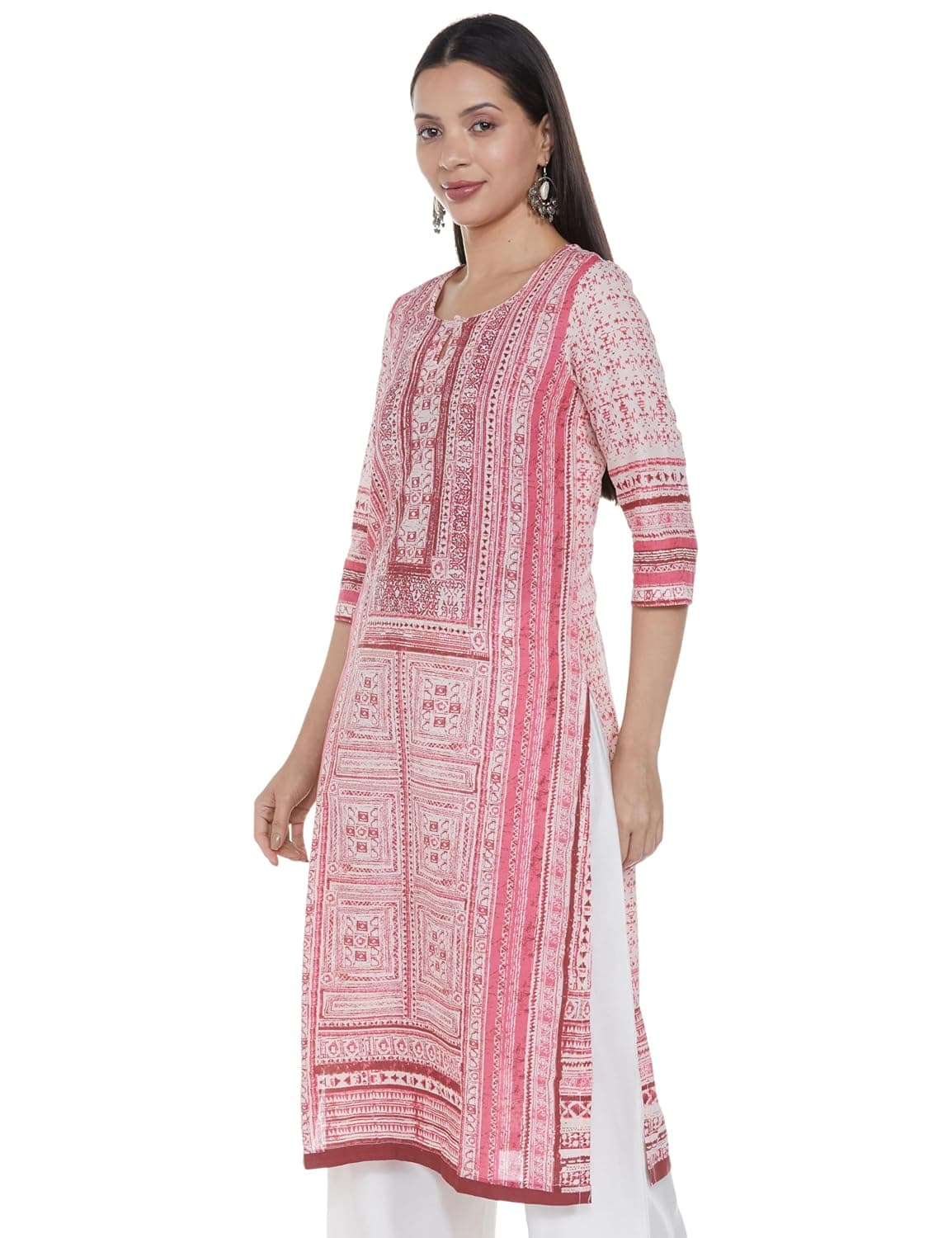 COD Available
biba
BIBA Women's Cotton Straight Printed Kurta
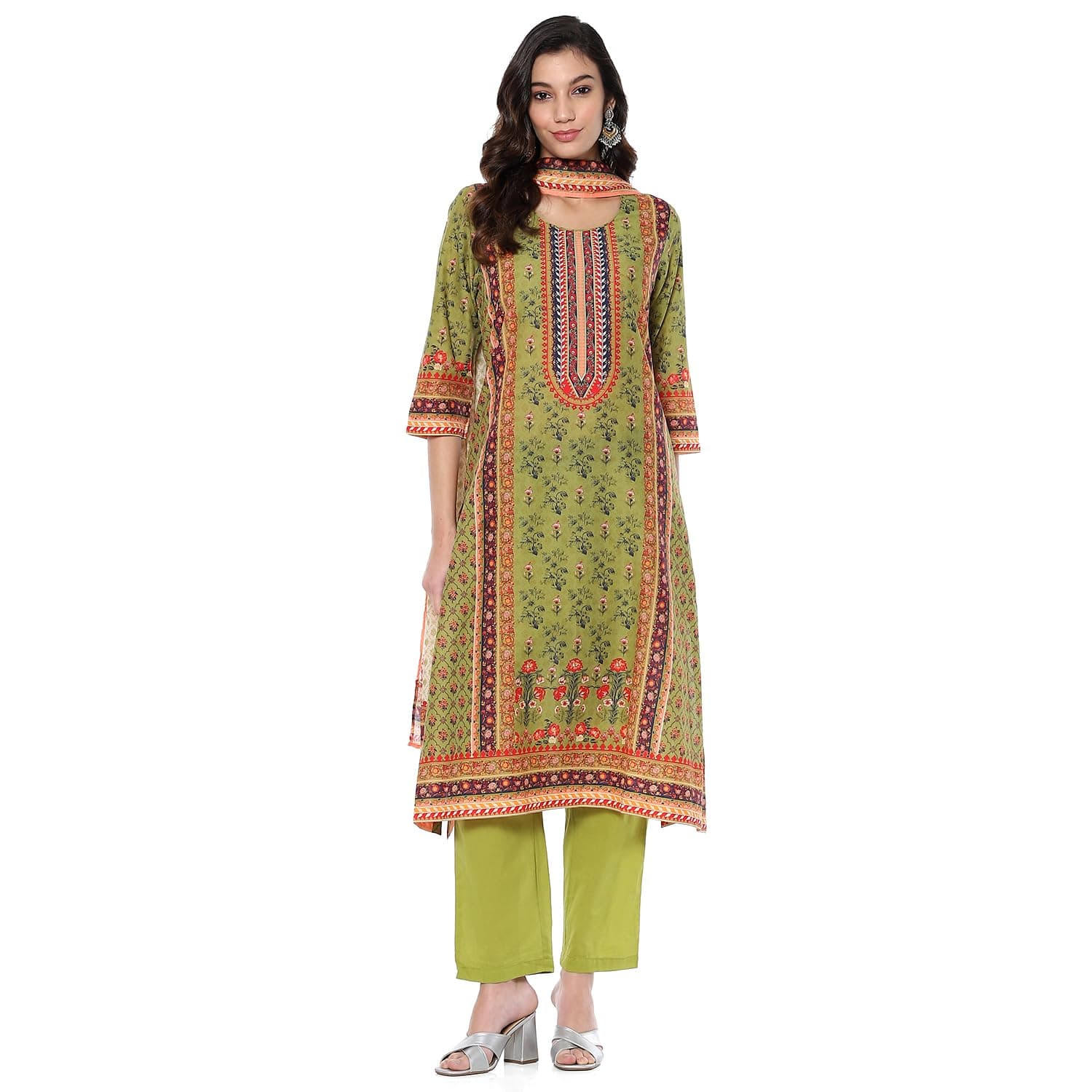 COD Available
biba
BIBA Women's Cotton Printed Kurta Set with Dupatta
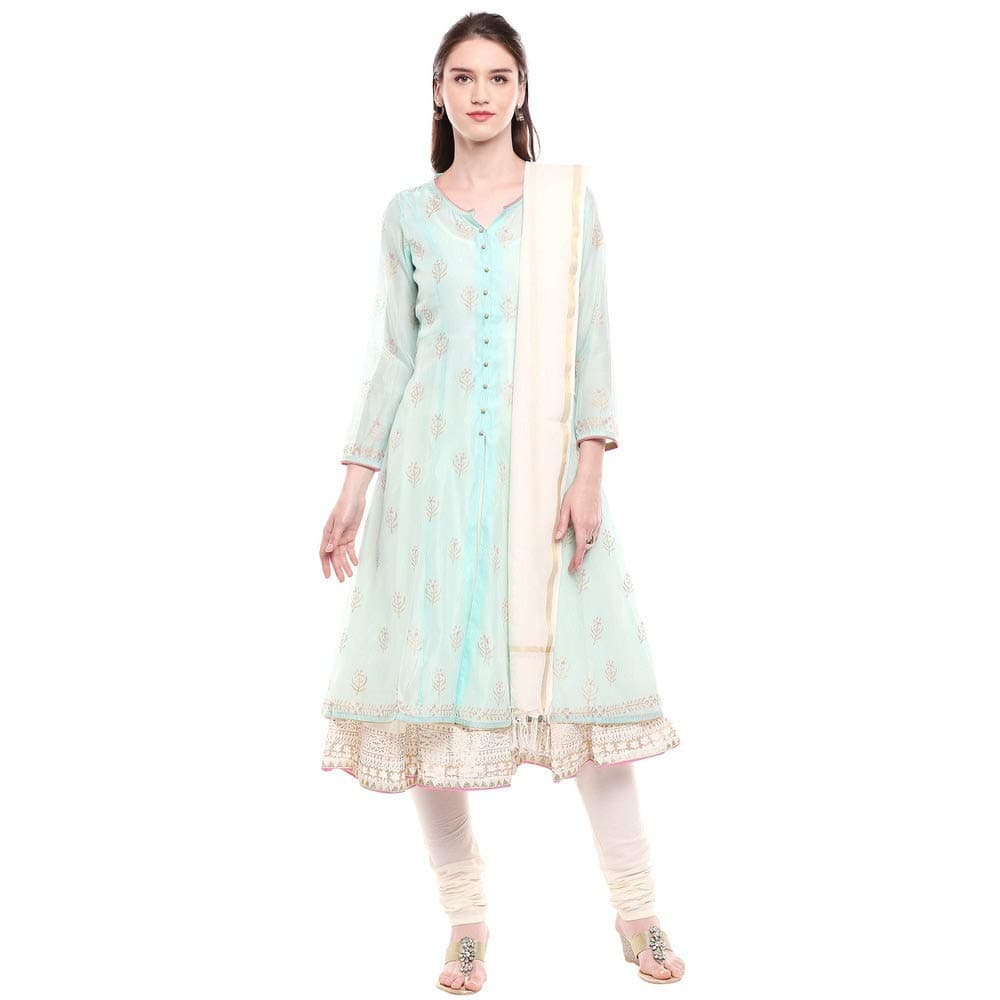 COD Available
biba
BIBA Women's Cotton A-Line Churidar Suit
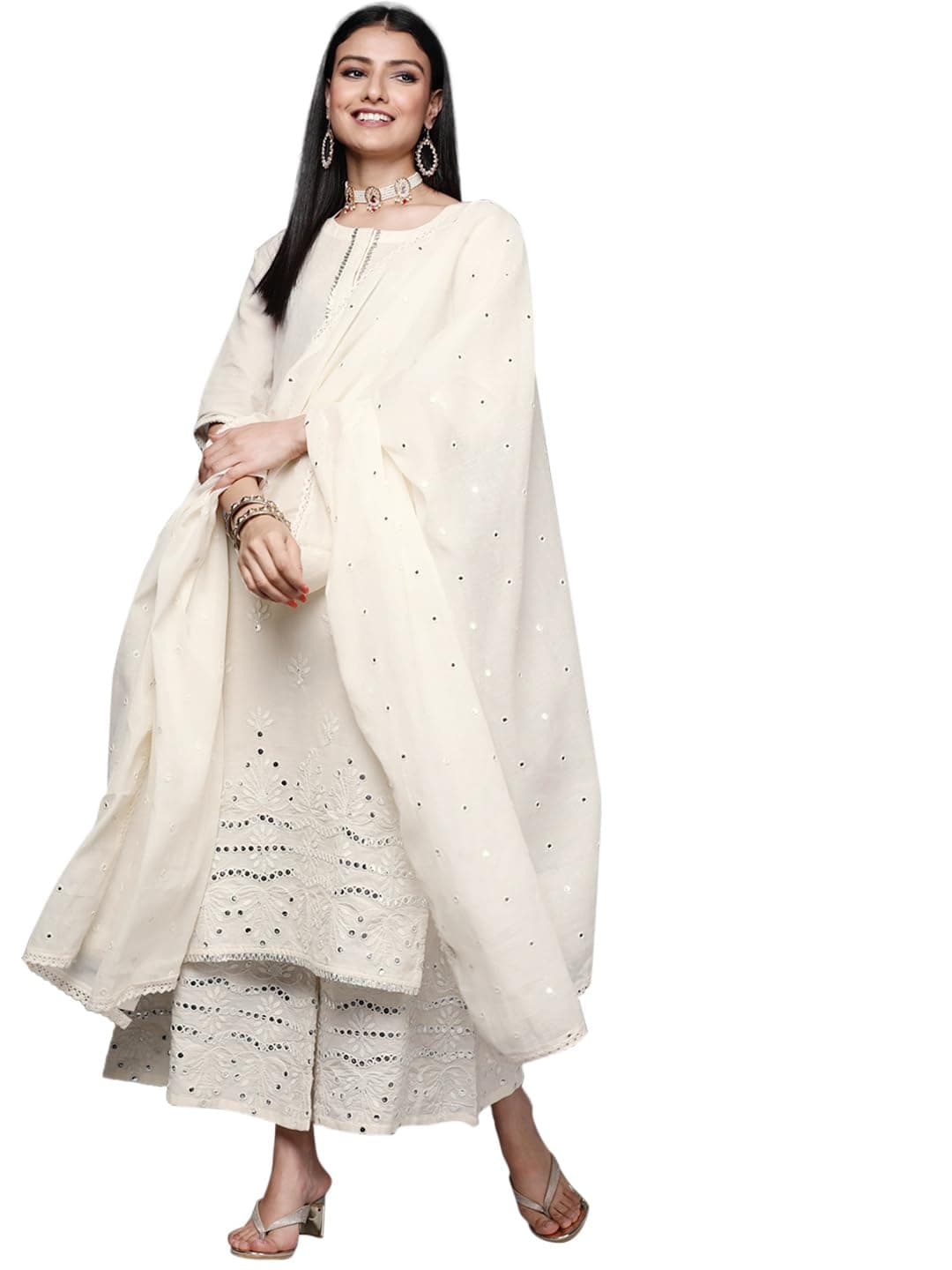 COD Available
libas
Libas Women's Embroidered Cotton Straight Kurta with Palazzos & Dupatta
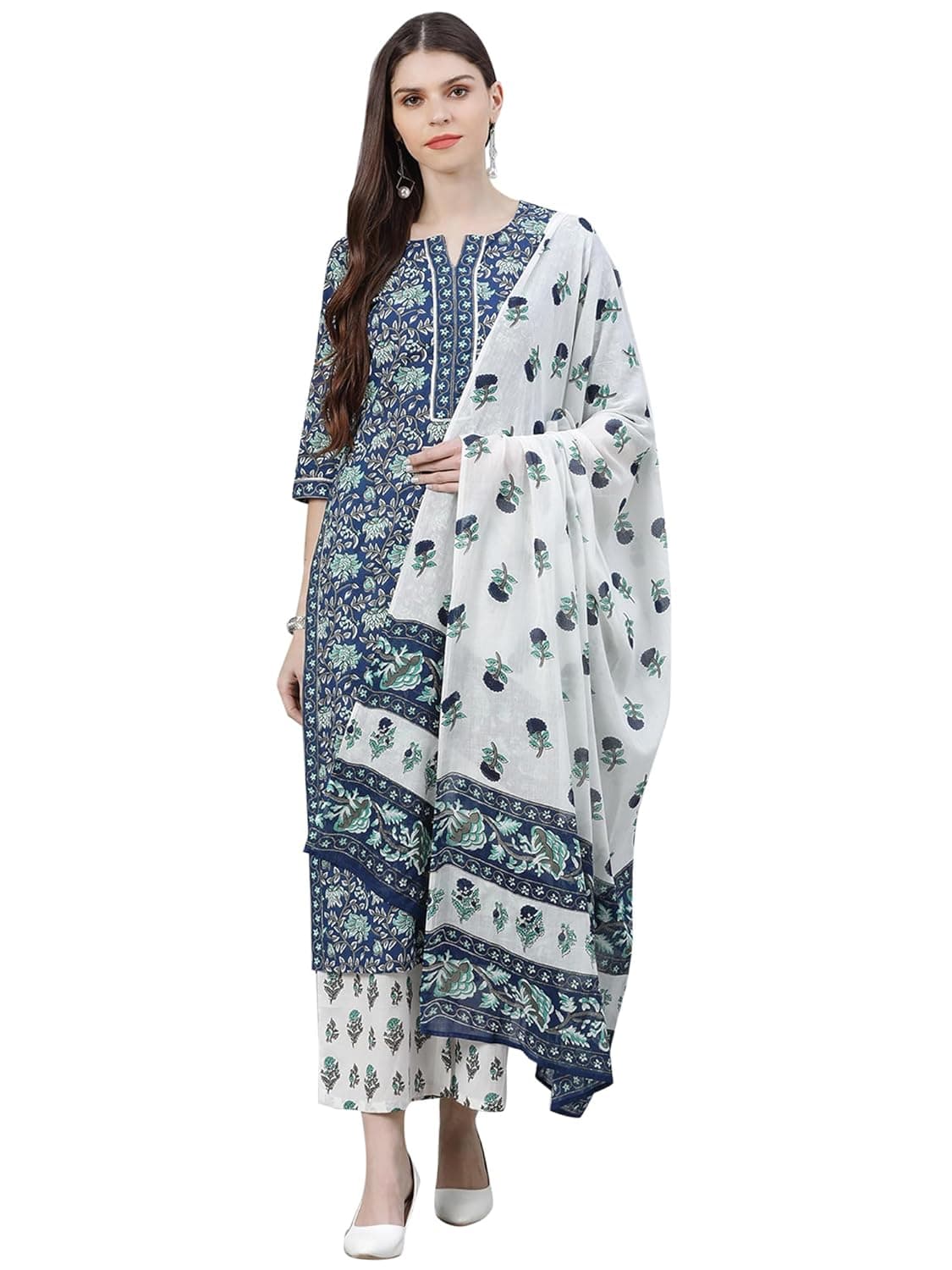 COD Available
libas
Libas Women's Cotton Printed Kurta Set Multicoloured
COD Availablelibas
Libas Printed Silk Blend Round Neck Kurta Pant Set Pink
Price Guide
| Tier | Price Range | What You Get |
|---|---|---|
| Entry | Rs 600 – Rs 2,000 | Polyester jacquard saree or kurti; good pattern, limited breathability |
| Mid | Rs 2,000 – Rs 6,000 | Viscose or cotton-blend jacquard; better drape, more comfortable to wear daily |
| Premium | Rs 6,000 – Rs 15,000+ | Silk jacquard with complex woven patterns; luxury occasion pieces |
Care & Maintenance
- Polyester jacquard is generally machine-washable on a gentle cold cycle — check care label as some pieces with metallic thread weaving require hand wash or dry clean
- Silk jacquard should be dry cleaned or hand washed in cold water with a specialised silk detergent — avoid agitation
- Do not tumble dry — lay flat or hang to dry silk and viscose jacquard; polyester jacquard can be dried on low heat
- Iron on the reverse side using appropriate heat for the fibre content — silk on low heat with pressing cloth; polyester on low heat; cotton on medium heat
Styling Tips
Jacquard's woven-in pattern gives it a more formal, structured quality than printed fabrics — the patterns look substantial and considered rather than printed-on. A jacquard silk saree in a tonal pattern (same colour, different texture) is elegantly restrained and works beautifully for daytime formal occasions. For festive events, jacquard with contrasting zari patterns or bold geometric weaves makes a statement without requiring embellishment. Jacquard kurtis in viscose or cotton blends are excellent work wear options — the woven pattern reads as professional and polished compared to printed alternatives. Pair jacquard with simple accessories in matching or complementary metals.
OUR VERDICT
Jacquard sits in the sweet spot between everyday accessibility and festive formality. It's not as precious or maintenance-intensive as handloom brocade, but carries significantly more visual sophistication than plain printed fabrics. In poly or viscose, it's a practical daily choice; in silk, it's a quiet luxury. Understanding the difference between woven jacquard patterns and printed jacquard-base fabric helps you make confident purchasing decisions and get the quality you're paying for.