
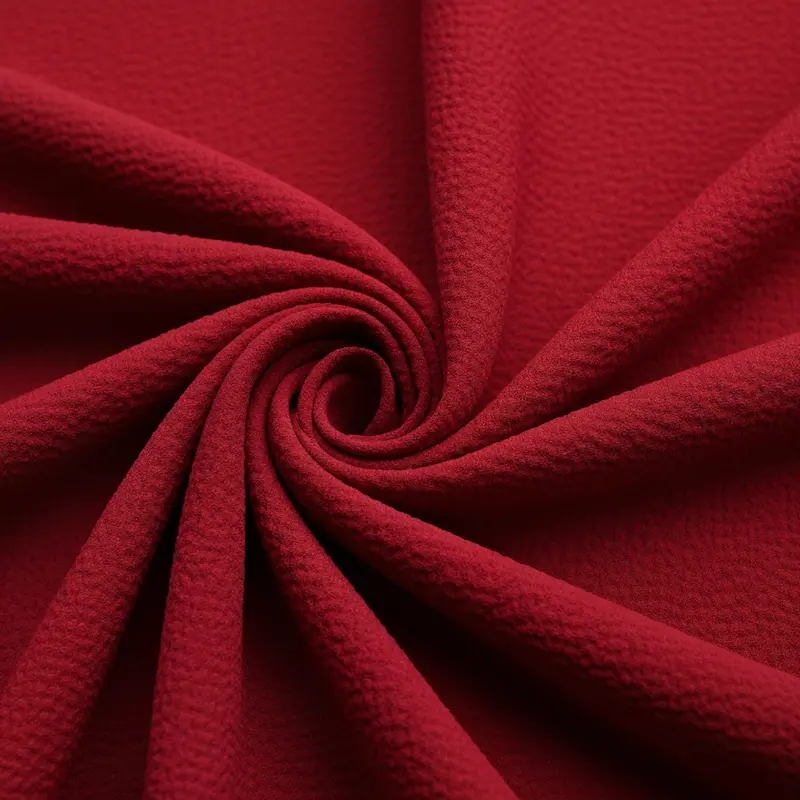
History & Origin
Crepe has been woven for centuries, with early versions made from raw silk twisted under high tension to create the characteristic crinkled texture. The fabric was widely used in 19th-century European mourning dress due to its matte, solemn quality. In India, crepe entered mainstream textile production through mill manufacturing in the 20th century, initially in silk-crepe and later in polyester and viscose versions.
The Indian ethnic wear market embraced polyester crepe in particular because it offered a combination that's difficult to achieve in natural fibres at low cost: good drape, wrinkle resistance, comfortable weight, and excellent colour retention. Today, crepe sarees and kurtis are a staple of the Indian professional wardrobe, valued for their low-maintenance qualities and consistent appearance throughout the day.
How to Identify Authentic / Quality Crepe
- Feel the surface — quality crepe has a consistent granular texture across the entire cloth; cheap crepe may have an uneven surface or a surface texture that's only a finishing treatment (and washes off)
- Wrinkle test — scrunch a corner tightly in your fist for 30 seconds, then release; good crepe springs back with minimal creasing; poor-quality crepe holds sharp wrinkle lines
- Check the drape — quality crepe drapes in smooth, flowing folds without clinging; very thin, plasticky crepe clings to the body and shows every contour
- Burn test — silk crepe burns to ash with a burnt-hair odour; polyester crepe melts and beads; viscose crepe burns like paper; rayon crepe burns similarly to viscose
Types / Varieties
| Type | Characteristic | Price Range | Best For |
|---|---|---|---|
| Silk Crepe | Luxury crepe from silk yarns, natural sheen, breathable | Rs 1,500 – Rs 6,000 per metre | Formal sarees, evening wear |
| Polyester Crepe | Affordable, wrinkle-resistant, colour-fast, easy care | Rs 300 – Rs 800 per metre | Office kurtis, daily sarees |
| Viscose/Rayon Crepe | Soft, semi-natural, good drape, moderate breathability | Rs 500 – Rs 1,500 per metre | Kurtis, everyday ethnic |
| Crepe Chiffon | Lighter weight crepe with more transparency and flow | Rs 400 – Rs 1,200 per metre | Dupattas, lightweight sarees |
Best Brands
For crepe sarees and kurtis, Biba, W For Woman, and Global Desi consistently offer good-quality polyester and viscose crepe at accessible price points. For premium silk crepe, designer brands and silk specialists carry curated options. Fabric by the metre is widely available from Surat suppliers and online fabric retailers.
 COD Available
ishin
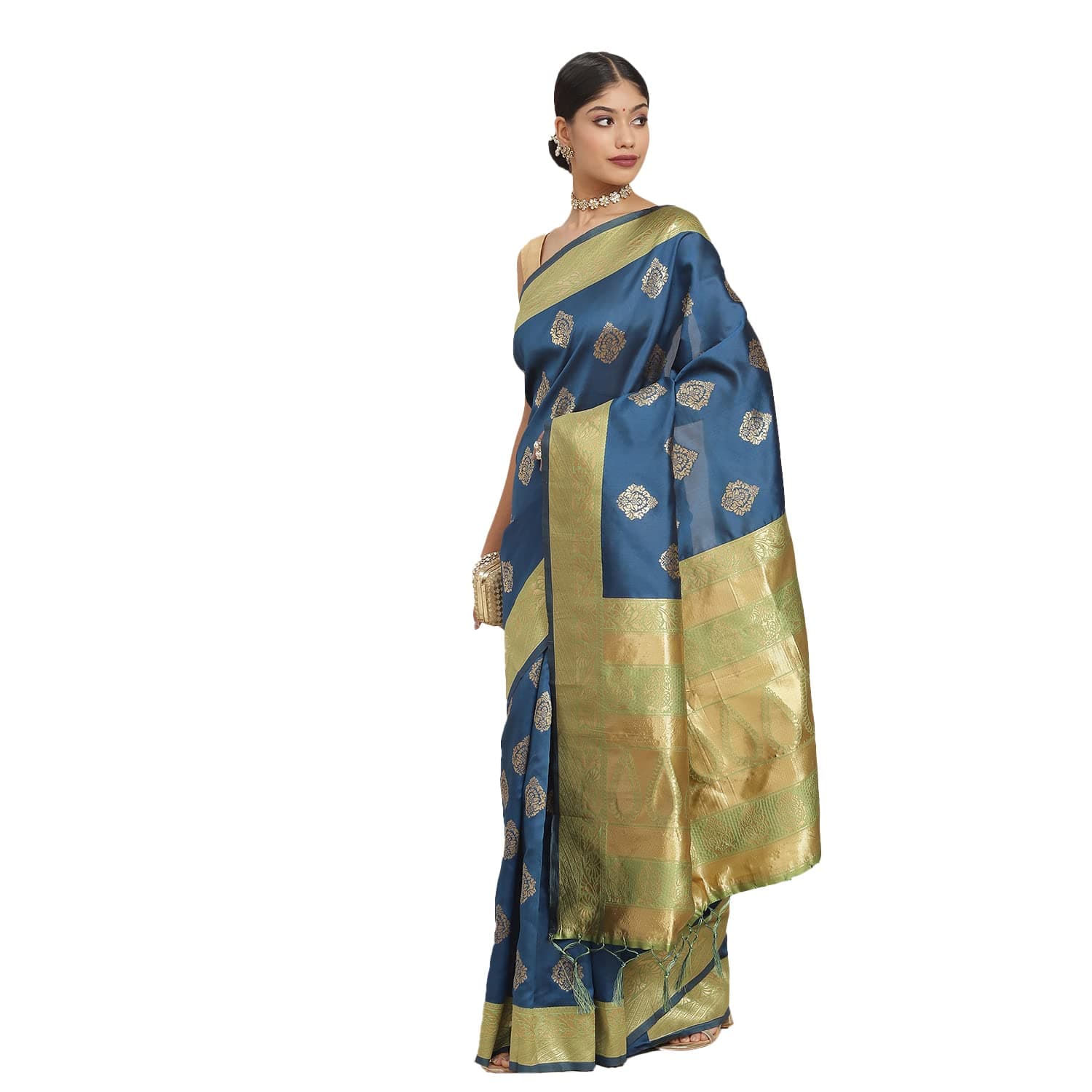
Ishin Women's Silk Blend Teal & Green Woven Design Saree with Blouse
 COD Available
ishin
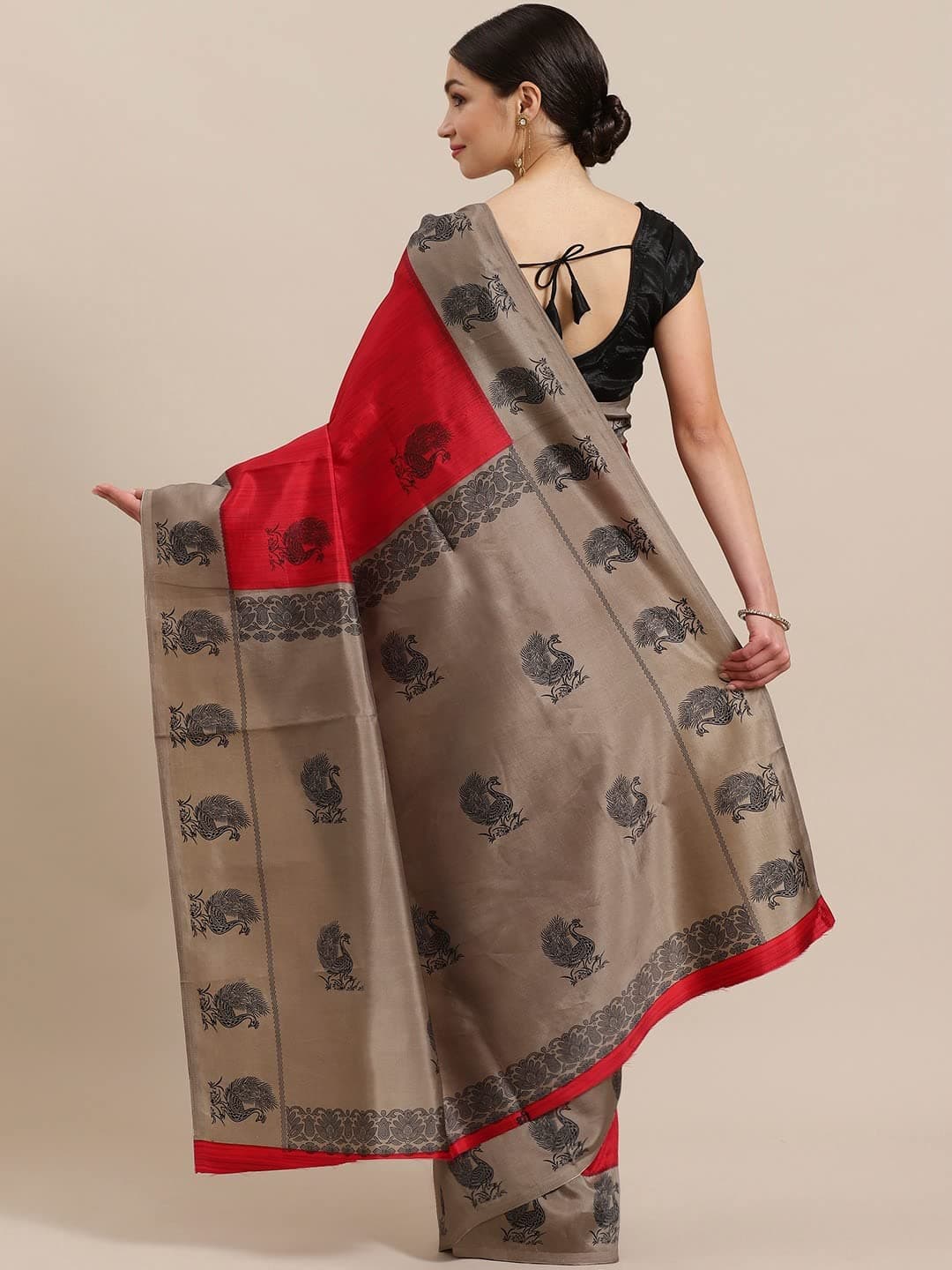
Ishin Women's Art Silk Maroon & Taupe Printed Saree
 COD Available
ishin
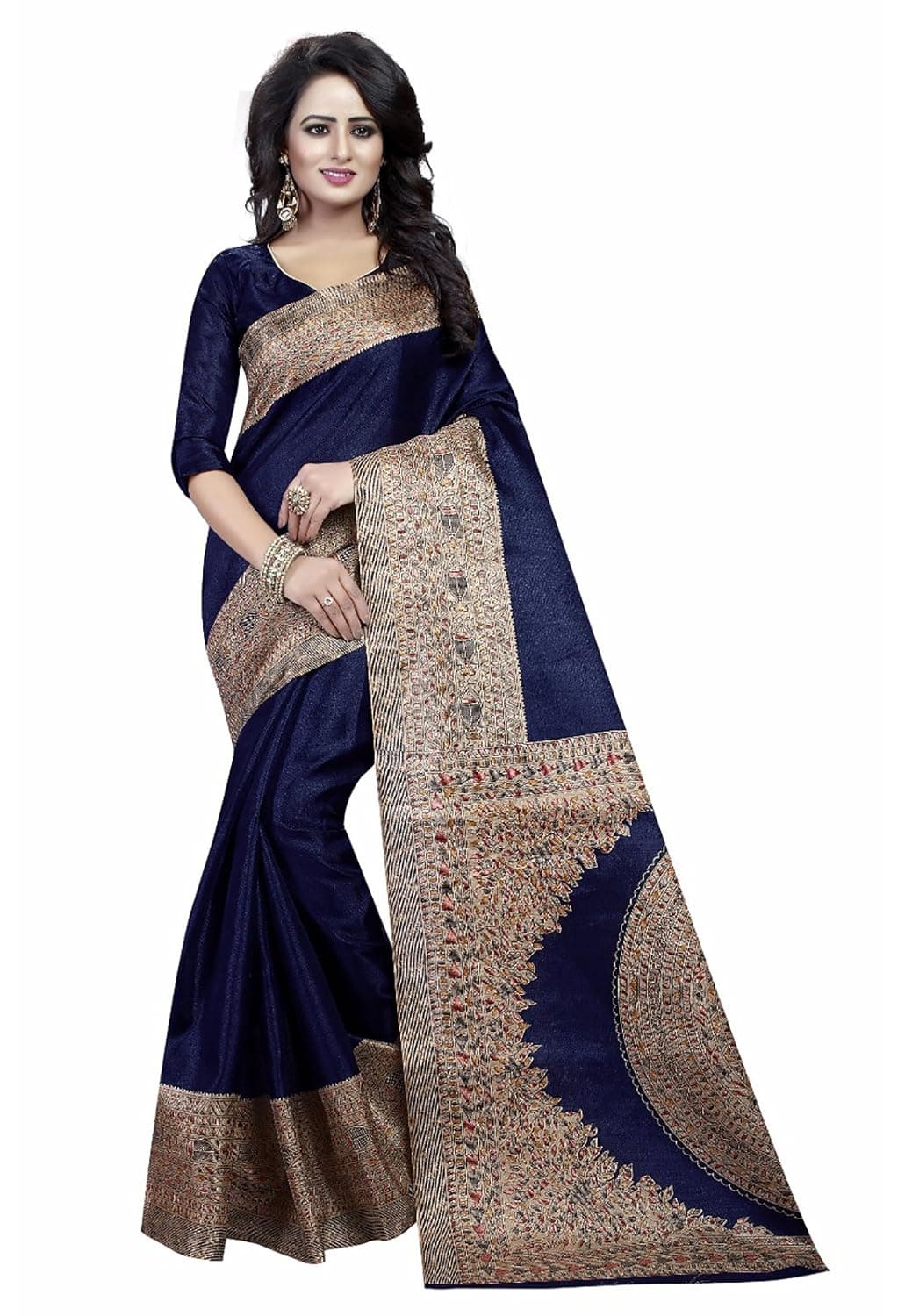
Ishin Women's Art Silk Navy Blue Saree with Blouse Piece
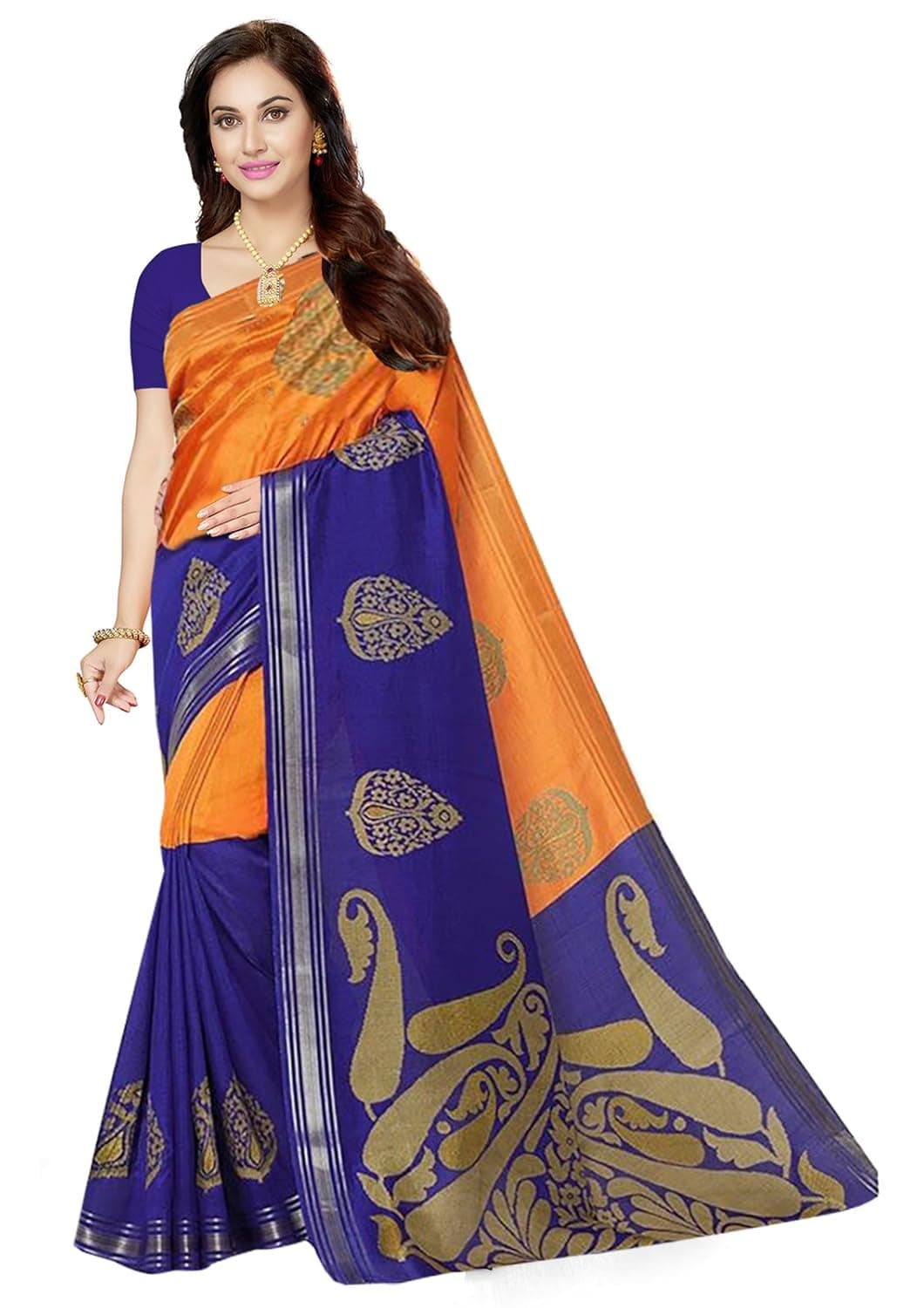 COD Available
ishin
Ishin Women's Art Silk Dark Blue & Orange Saree with Blouse
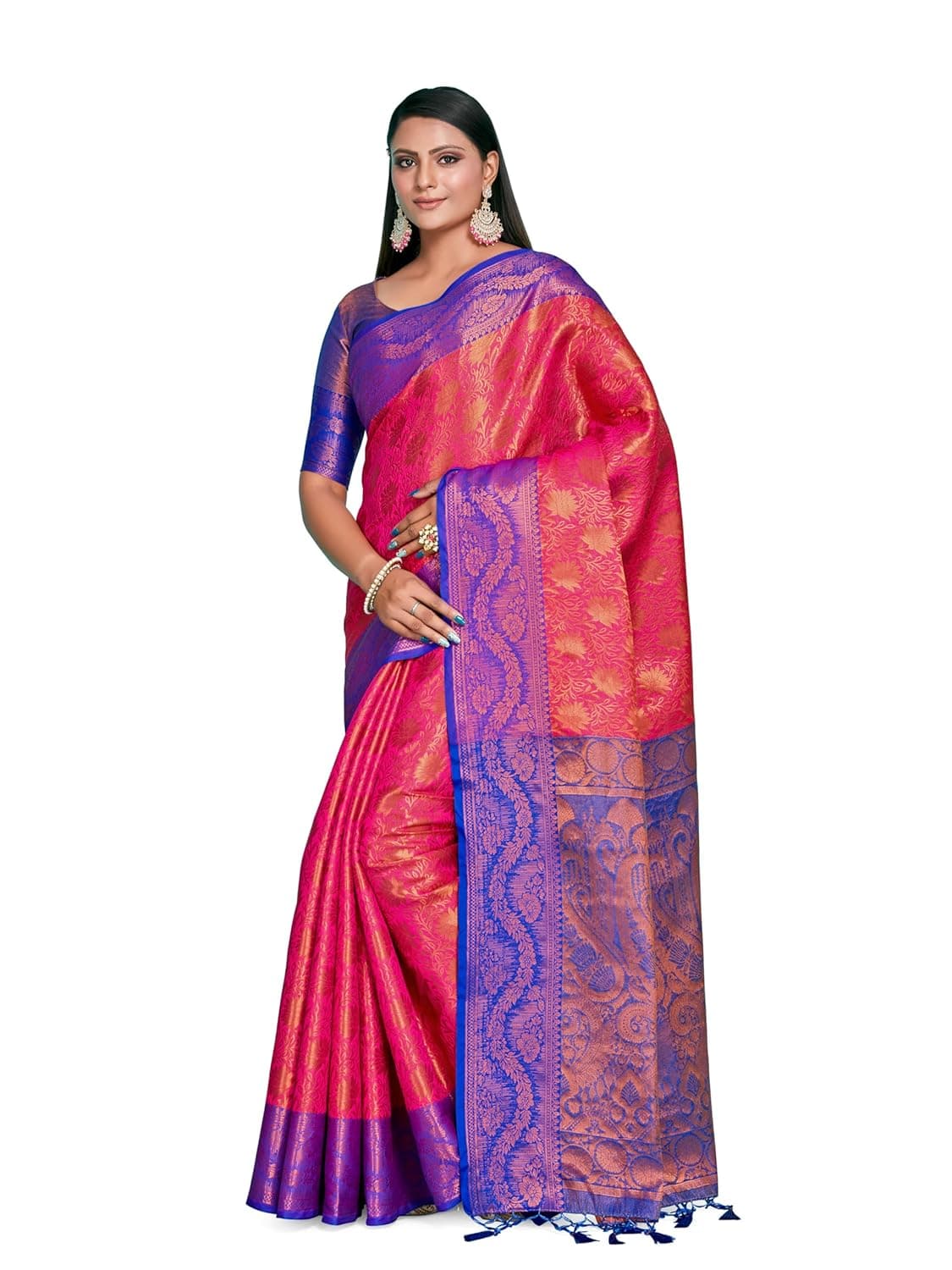 COD Available
mimosa
MIMOSA Women's Woven Design Kanjivaram Art Silk Saree Rani
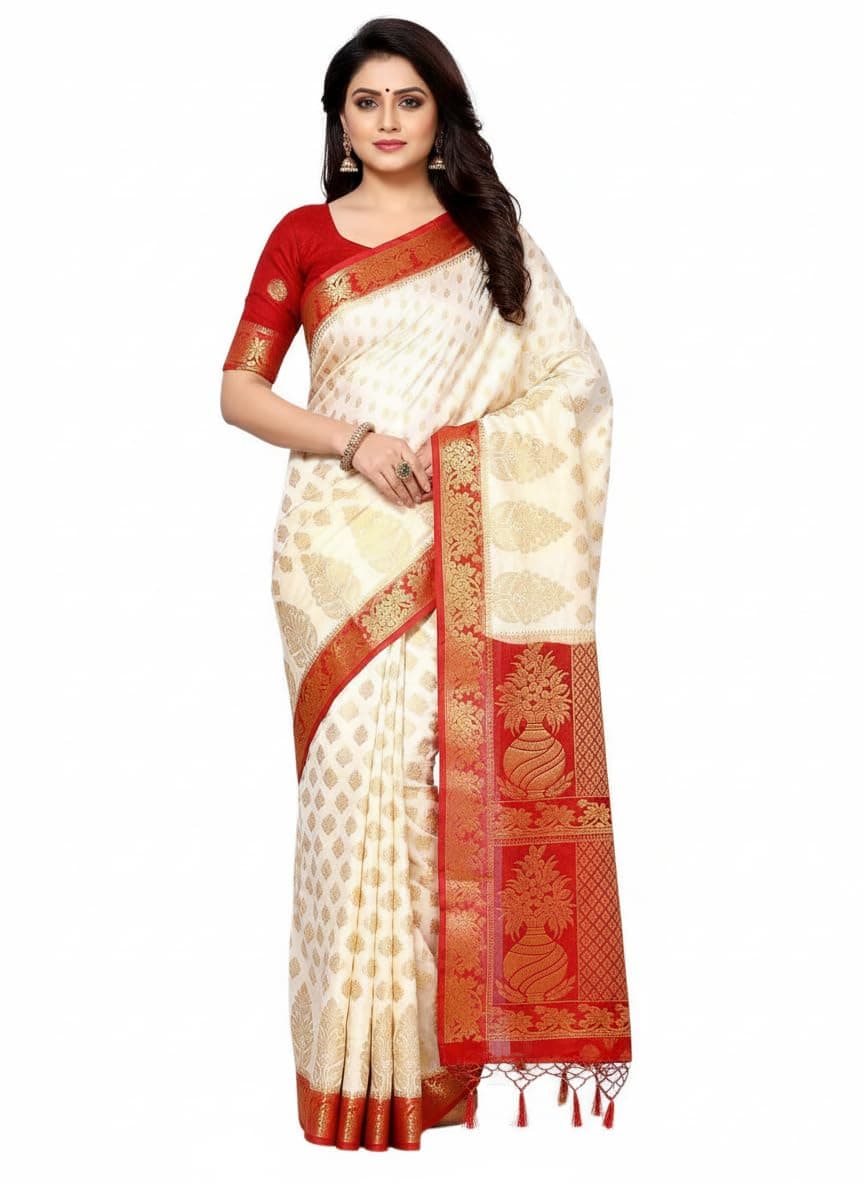 COD Available
mimosa
MIMOSA Women's Art Silk Saree Kanjivaram Style Beige
Price Guide
| Tier | Price Range | What You Get |
|---|---|---|
| Entry | Rs 300 – Rs 1,200 | Polyester crepe saree or fabric; wrinkle-resistant, good everyday choice |
| Mid | Rs 1,200 – Rs 3,500 | Viscose or poly-viscose crepe; softer hand, better breathability and drape |
| Premium | Rs 3,500 – Rs 6,000+ | Silk crepe or high-quality crepe-silk blends; luxury drape and breathability |
Care & Maintenance
- Polyester crepe is machine washable on a gentle cold cycle — it's one of the most low-maintenance ethnic fabrics available
- Silk crepe should be hand washed in cold water with a gentle silk detergent, or dry cleaned for printed or heavily embellished pieces
- Do not tumble dry silk or viscose crepe — hang to dry in shade; polyester crepe can be tumble dried on low
- Iron on low-medium heat — crepe is relatively easy to iron; for silk crepe, iron inside out with a pressing cloth
Styling Tips
Crepe is the fabric of the Indian professional woman — it looks polished, stays wrinkle-free through long office days, and drapes well enough for both kurtis and sarees. A solid-colour polyester crepe saree in navy, charcoal, or wine is an excellent work staple that can transition to evening events with a jewellery change. Printed crepe kurtis pair effortlessly with palazzos or straight-leg trousers. For festive occasions, embroidered crepe sarees (particularly with zari or resham embroidery) are a popular choice for their comfortable weight and smart appearance. Crepe holds a crease well, so pleated details — at the waist, sleeves, or neckline — look particularly crisp.
OUR VERDICT
Crepe might lack the glamour of silk or the drama of organza, but it earns its place in every Indian ethnic wardrobe through sheer practicality. Wrinkle-resistant, easy-care, professional-looking — crepe is the dependable backbone of working women's ethnic wear. When you need to look put-together from a 9am meeting to a 7pm dinner, crepe consistently delivers.