
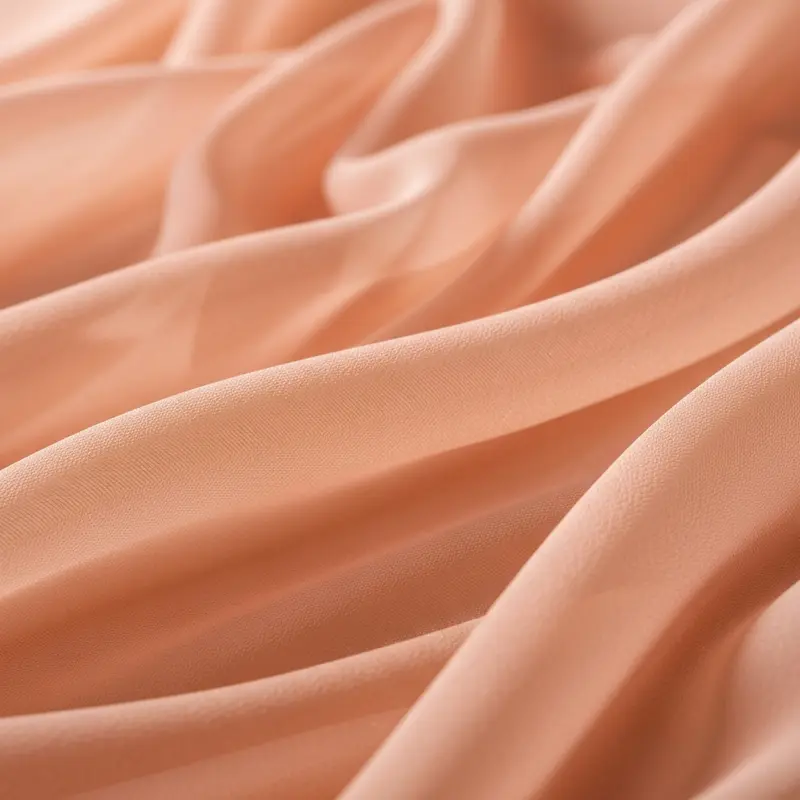
History & Origin
Chiffon's origins trace to China and the ancient Silk Road, but the modern French name became established in 18th and 19th-century European fashion. In India, silk chiffon was a luxury import available only to royalty and the very wealthy. The transformation came in the 1938 when American DuPont introduced nylon, and later when polyester production ramped up in the 1950s and 60s — suddenly chiffon-like fabrics could be mass-produced at fraction of the silk cost.
The Indian market fully embraced polyester chiffon in the 1970s and 80s, when the Bollywood film industry prominently featured chiffon sarees — flowing, fluttering, romantic. The 'chiffon saree dance sequence' became a trope of Hindi cinema, forever associating the fabric with romance and festivity. Today, chiffon remains one of the top-selling saree fabrics in India across all price points.
How to Identify Authentic / Quality Chiffon
- Transparency test — hold chiffon to light; good-quality chiffon is evenly sheer with a consistent open weave; poor-quality chiffon may have cloudy patches or uneven thickness
- Touch — silk chiffon has a natural, slightly warm feel with a subtle roughness from the alternating twist yarns; polyester chiffon feels cooler and slightly more plasticky
- Drape — hold a corner and allow a metre of fabric to fall; quality chiffon falls in flowing, continuous waves; poor-quality chiffon may look floppy or have stiff patches
- Burn test — silk chiffon burns to ash with a burnt-hair smell; polyester chiffon melts into beads; nylon chiffon melts and may drip
Types / Varieties
| Type | Characteristic | Price Range | Best For |
|---|---|---|---|
| Silk Chiffon | Natural silk, warm lustre, elegant drape, breathable | Rs 1,800 – Rs 7,000 per metre | Luxury sarees, bridal dupattas |
| Polyester Chiffon | Affordable, colour-fast, easy care, wide colour range | Rs 250 – Rs 700 per metre | Party sarees, dupattas, everyday |
| Nylon Chiffon | Slightly stiffer than polyester, more durable, slight sheen | Rs 350 – Rs 900 per metre | Party wear, festive sarees |
| Double Chiffon | Two layers of chiffon, more opacity, better for embroidery | Rs 500 – Rs 1,500 per metre | Sarees requiring more coverage |
Best Brands
For chiffon sarees, Satrani, W For Woman, and Biba offer excellent everyday-to-festive options. In the mid-luxury range, labels like Suta and Nivi carry beautifully printed chiffon sarees. For silk chiffon, boutique designer labels and verified silk fabric suppliers in Bangalore, Surat, and Varanasi are the best sources.
 COD Available
ishin
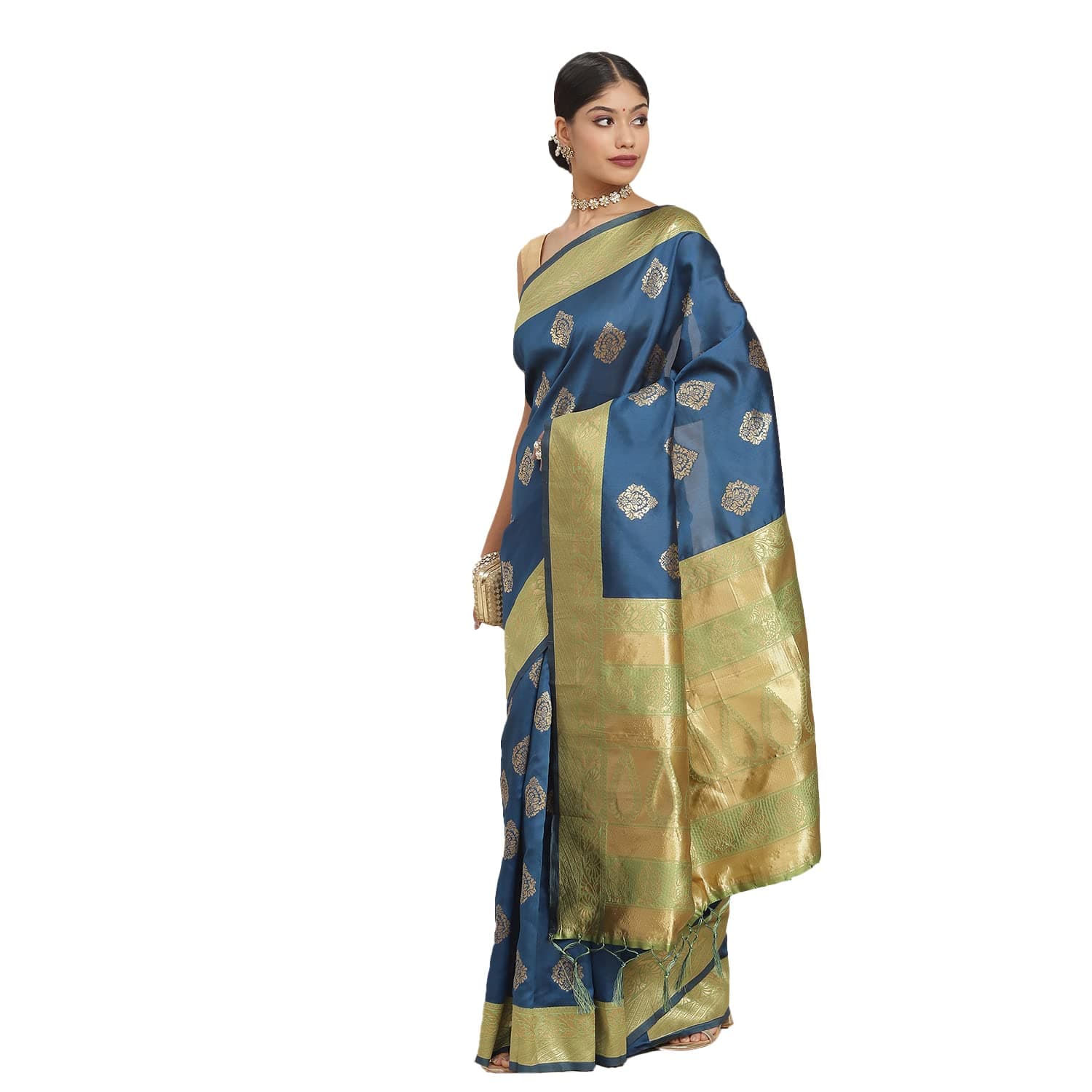
Ishin Women's Silk Blend Teal & Green Woven Design Saree with Blouse
 COD Available
ishin
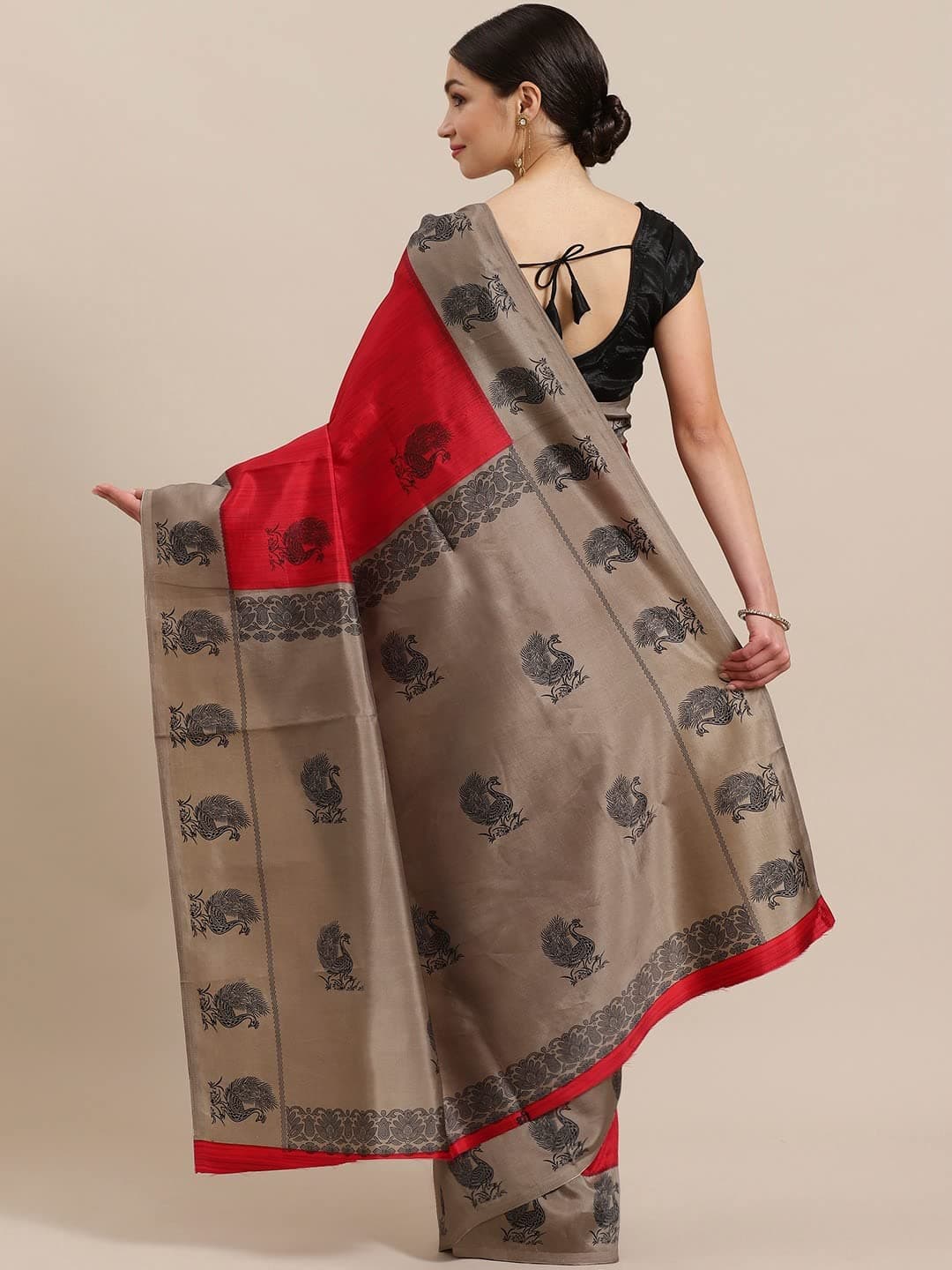
Ishin Women's Art Silk Maroon & Taupe Printed Saree
 COD Available
ishin
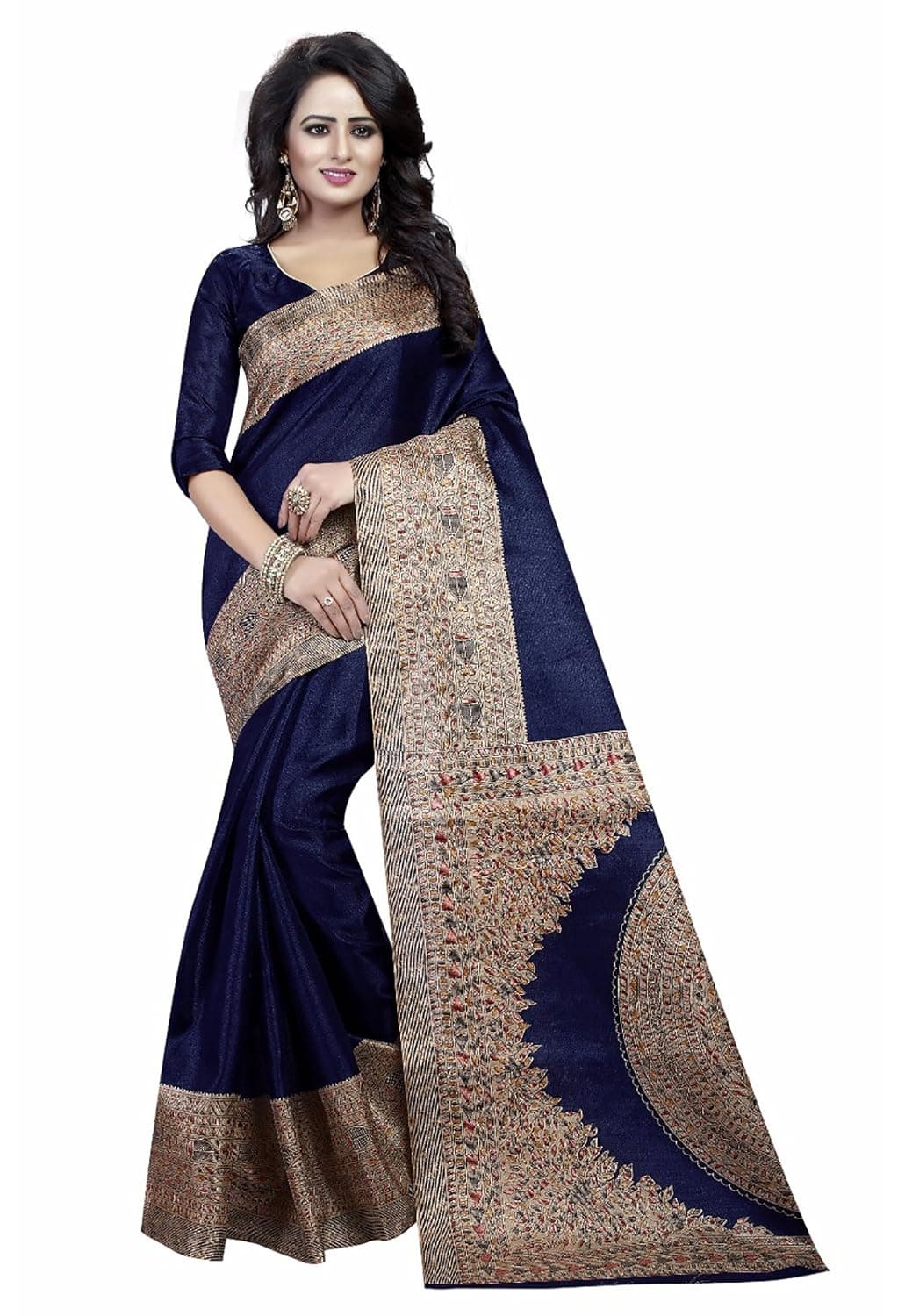
Ishin Women's Art Silk Navy Blue Saree with Blouse Piece
 COD Available
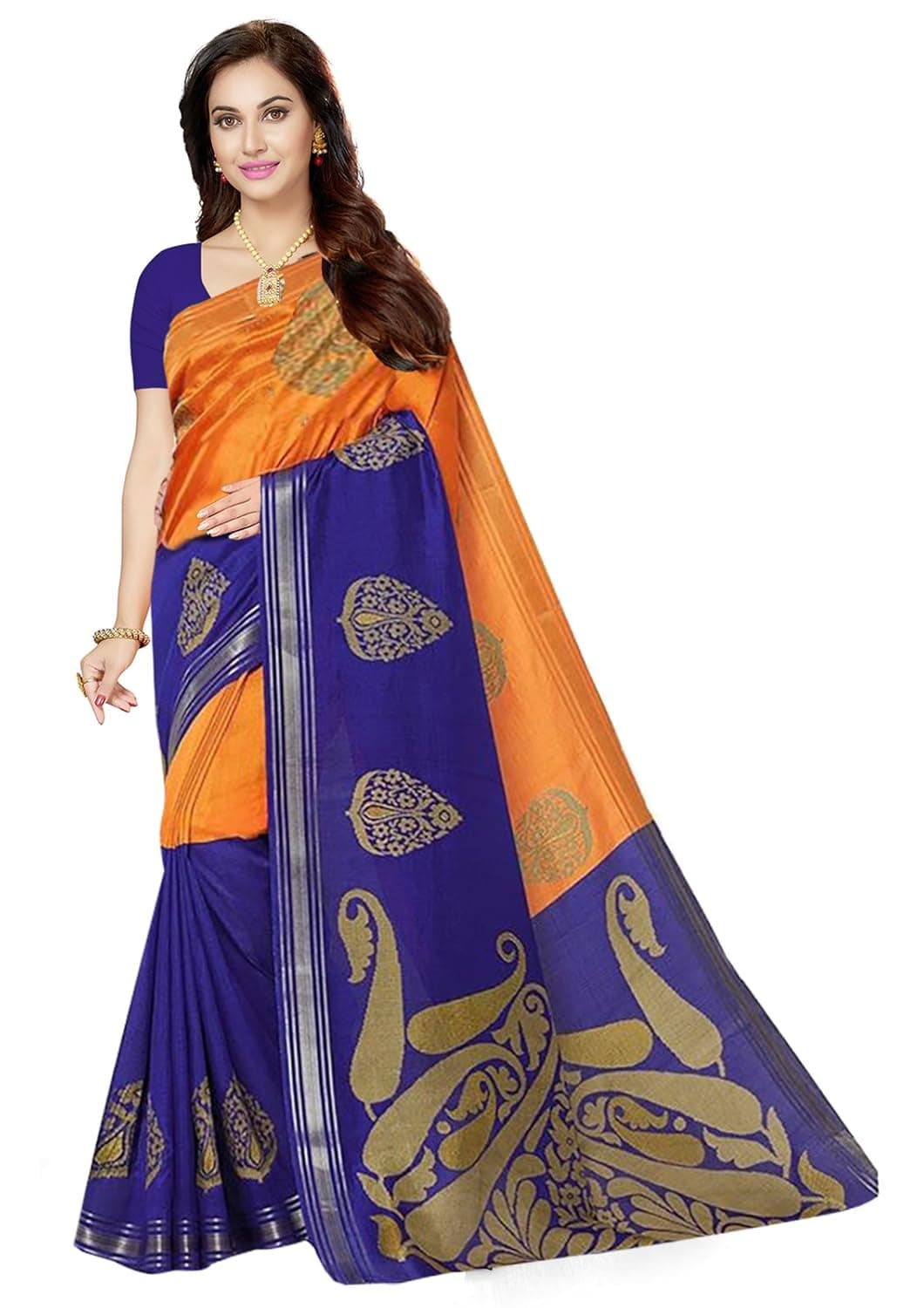
ishin
Ishin Women's Art Silk Dark Blue & Orange Saree with Blouse
 COD Available
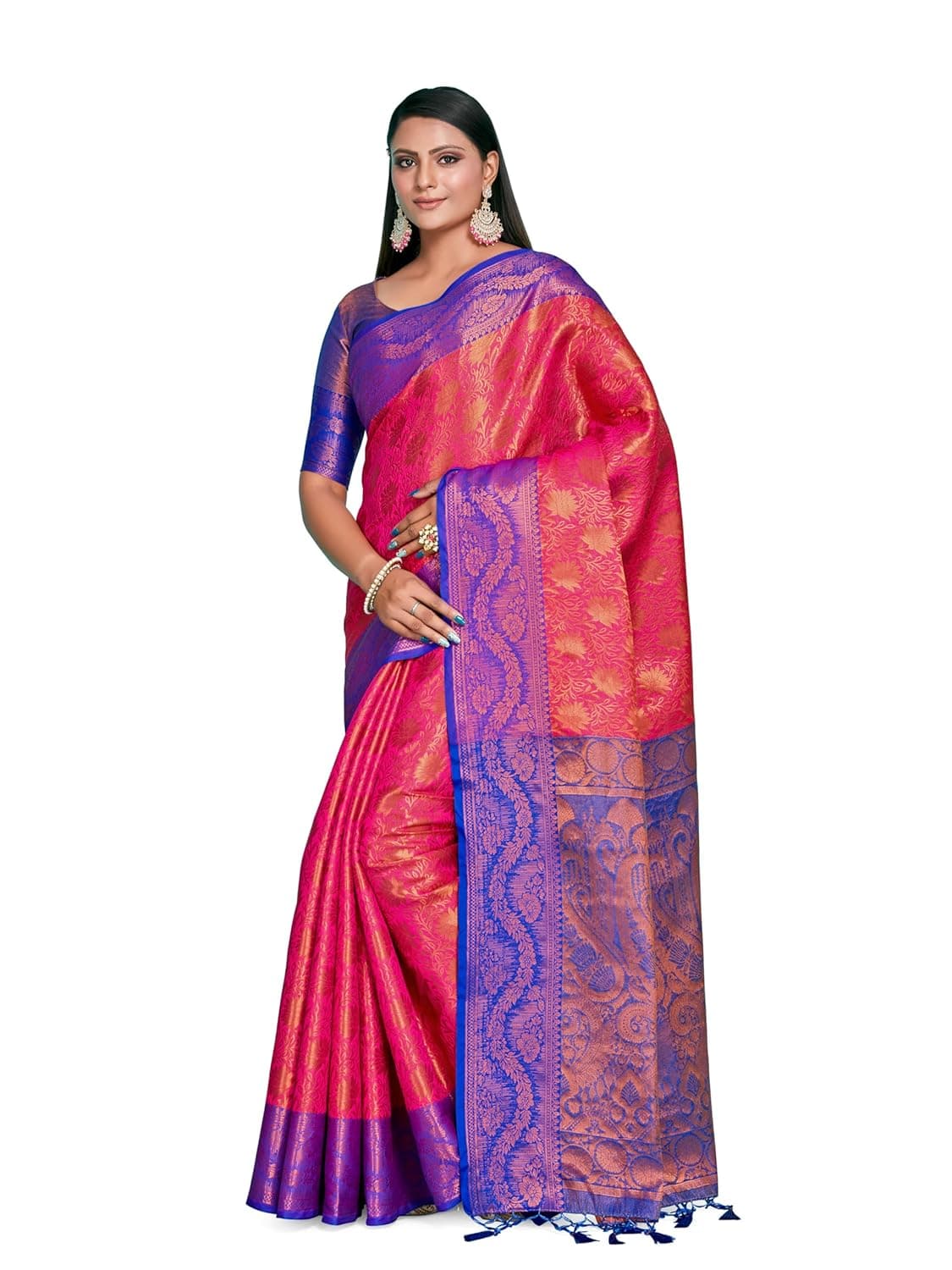
mimosa
MIMOSA Women's Woven Design Kanjivaram Art Silk Saree Rani
 COD Available
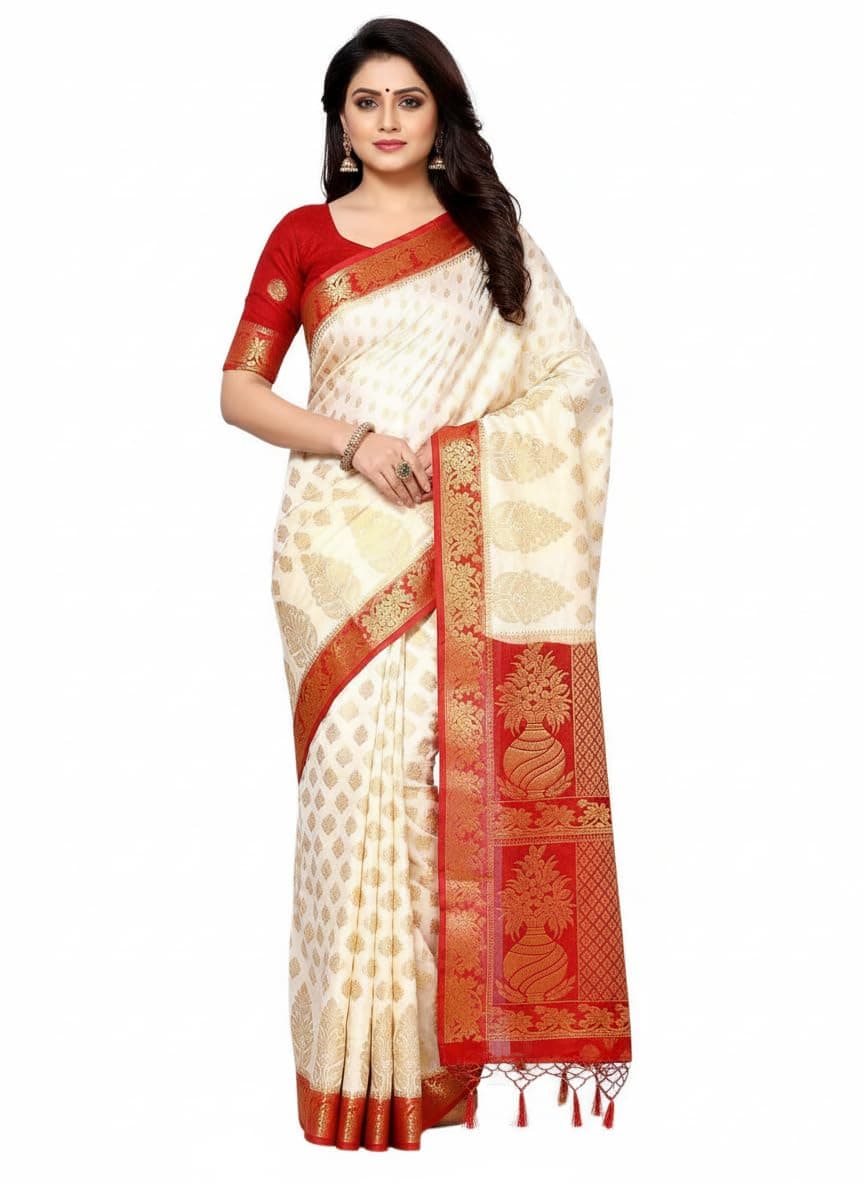
mimosa
MIMOSA Women's Art Silk Saree Kanjivaram Style Beige
Price Guide
| Tier | Price Range | What You Get |
|---|---|---|
| Entry | Rs 250 – Rs 1,200 | Polyester chiffon saree; flowing, festive, ideal for parties and casual occasions |
| Mid | Rs 1,200 – Rs 3,500 | Better-quality polyester or poly-silk blend chiffon; improved drape and colour depth |
| Premium | Rs 3,500 – Rs 7,000+ | Silk or silk-blend chiffon; natural warmth, luxury drape, breathable |
Care & Maintenance
- Hand wash in cool water for all chiffon — machine washing, even on gentle cycle, can tangle and distort the fine weave structure
- Do not wring or twist — chiffon is very delicate when wet; gently squeeze between clean towels to remove excess water
- Hang to dry in shade — drape over a wide hanger or dry rack to prevent strain on the delicate fabric; avoid clothespins which leave marks on chiffon
- Iron on the lowest heat setting, on the reverse side, with a pressing cloth — chiffon scorches extremely easily; better to use a steamer held at a distance
Styling Tips
Chiffon rewards a confident drape — its floaty quality means every movement becomes graceful. For sarees, draping in the Nivi style (formal five-yard drape) or a casual Bengali style both work beautifully. Chiffon's sheerness means the petticoat colour shows through significantly — match petticoat to saree for a clean look, or choose a contrasting petticoat for a deliberate tonal layering effect. For printed chiffon sarees, simpler jewellery works better — the delicate fabric can be visually overwhelmed by very heavy necklaces. Lightweight kundan or pearl jewellery complements chiffon perfectly.
OUR VERDICT
Chiffon is synonymous with grace in Indian ethnic wear — there's a reason it dominated Bollywood's romantic imagery for decades. Even at the accessible polyester price point, a good chiffon saree moves beautifully and photographs with genuine elegance. For those willing to invest in silk chiffon, the fabric experience is something else entirely — a natural luxury that drapes like nothing else.