
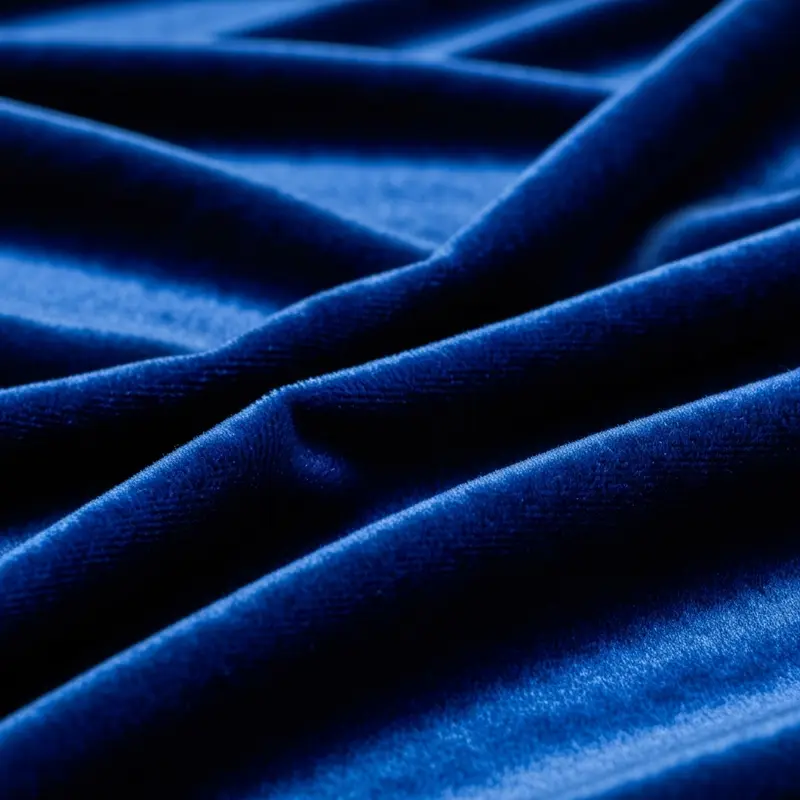
History & Origin
Velvet originated in the Far East and reached Europe via the Silk Road, becoming a symbol of luxury in medieval and Renaissance courts. In India, velvet was introduced through Mughal trade connections — Persian and Italian velvets were imported for royal use, and Indian weavers quickly learned to produce their own versions. The Mughal court's love of velvet is documented in numerous paintings and records, with velvet being used for royal garments, furnishings, and gifts.
Traditional Indian cut velvet (khamkhab) from Varanasi and Hyderabad incorporated gold and silver threads into the pile to create extraordinary brocade-velvet hybrids. Today, machine-produced velvet from mills in Surat and Amritsar has democratised the fabric, making high-quality velvet accessible for mainstream ethnic wear. Amritsar is particularly known for quality velvet production and is a major wholesale supply centre for the Indian market.
How to Identify Authentic / Quality Velvet
- Brush your hand across the pile — quality velvet pile springs back immediately when stroked against the grain; poor-quality velvet pile stays crushed or returns slowly
- Check pile density — gently part the velvet pile with your fingers; quality velvet has a dense pile with no visible base fabric showing through; cheap velvet may show the base weave
- Light test — hold velvet at different angles to a light source; authentic velvet shows a characteristic colour shift (usually darker or lighter depending on pile direction) as the angle changes; this iridescent quality is unique to real velvet
- Burn test at edge — silk velvet burns to ash with a burnt-hair smell; polyester velvet melts; viscose/rayon velvet burns like paper; the pile and backing often burn at different rates in quality velvet
Types / Varieties
| Type | Characteristic | Price Range | Best For |
|---|---|---|---|
| Silk Velvet | Pure silk pile, maximum lustre and colour depth, breathable | Rs 3,500 – Rs 15,000 per metre | Luxury lehengas, bridal blouses |
| Viscose/Rayon Velvet | Soft pile, good sheen, better breathability than polyester | Rs 800 – Rs 2,500 per metre | Lehenga cholis, winter sarees |
| Polyester Velvet | Affordable, durable, wide colour range, lower breathability | Rs 500 – Rs 1,500 per metre | Party blouses, accessories |
| Embossed Velvet | Pattern pressed into velvet pile creating design in compressed pile | Rs 1,200 – Rs 5,000 per metre | Occasion blouses, lehenga skirts |
Best Brands
For velvet lehengas and bridal wear, designer labels like Anita Dongre, Manish Malhotra, and Abu Jani Sandeep Khosla produce exceptional silk and viscose velvet pieces. In the accessible range, brands like W For Woman and various Jaipur-based bridal labels carry quality velvet pieces for festive wear. Amritsar fabric markets are a good source for quality velvet fabric yardage at wholesale prices.
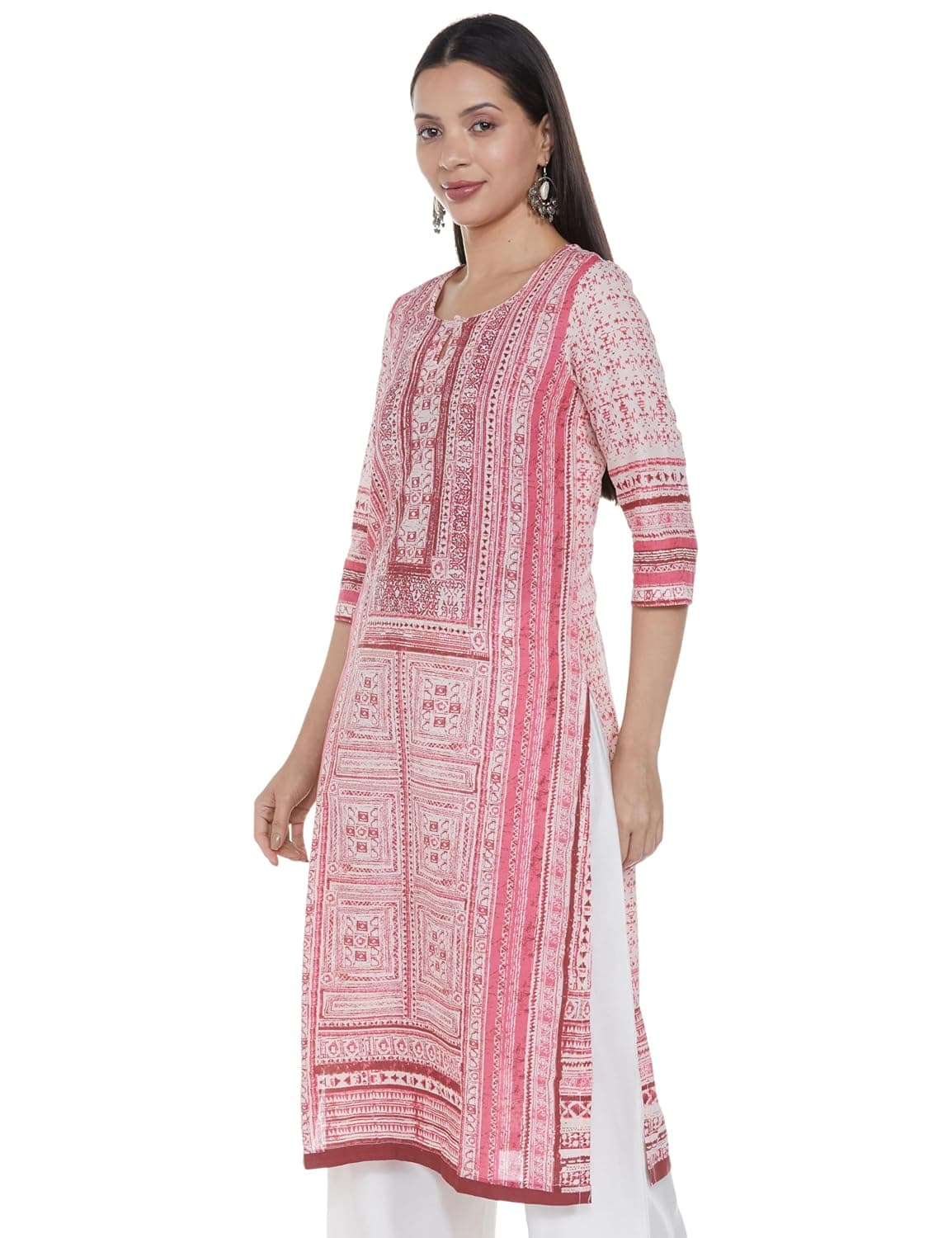 COD Available
biba
BIBA Women's Cotton Straight Printed Kurta
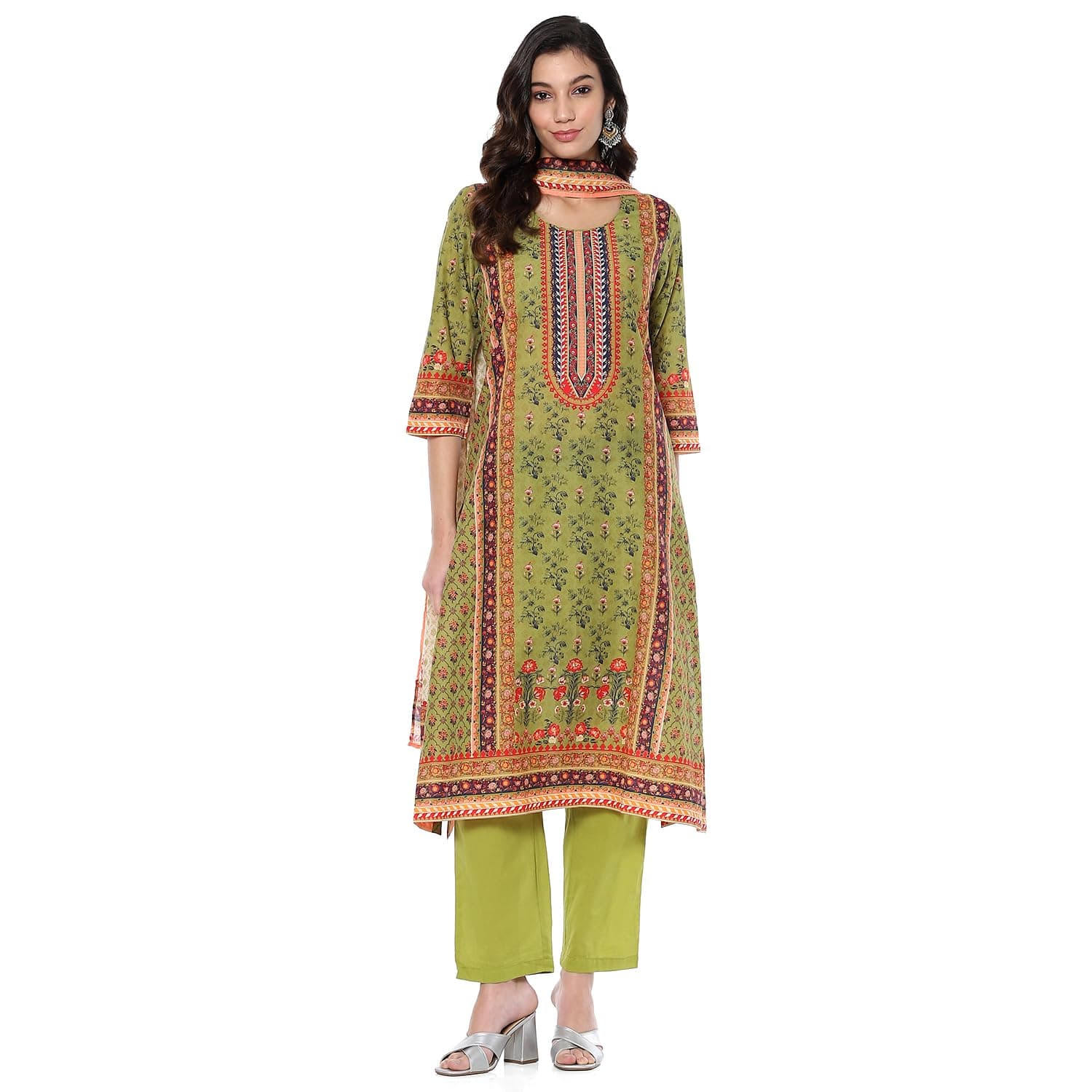 COD Available
biba
BIBA Women's Cotton Printed Kurta Set with Dupatta
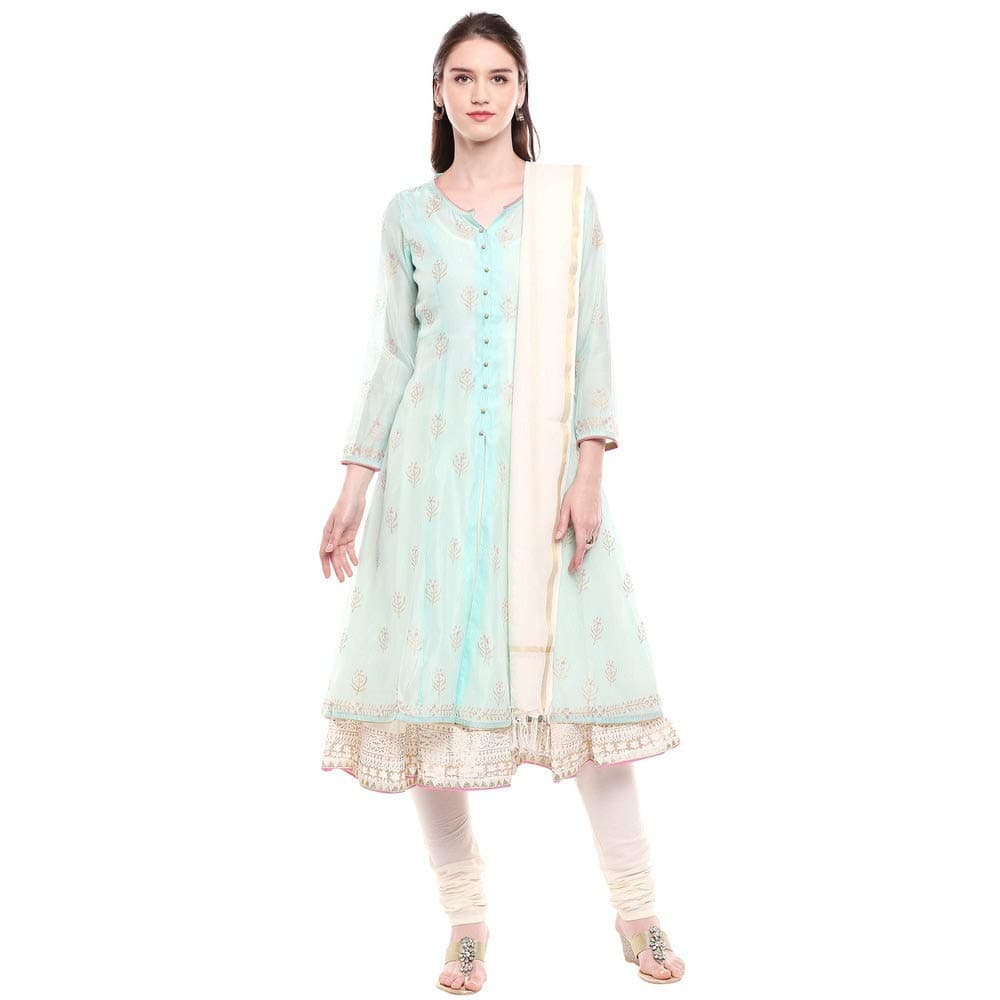 COD Available
biba
BIBA Women's Cotton A-Line Churidar Suit
 COD Available
libas
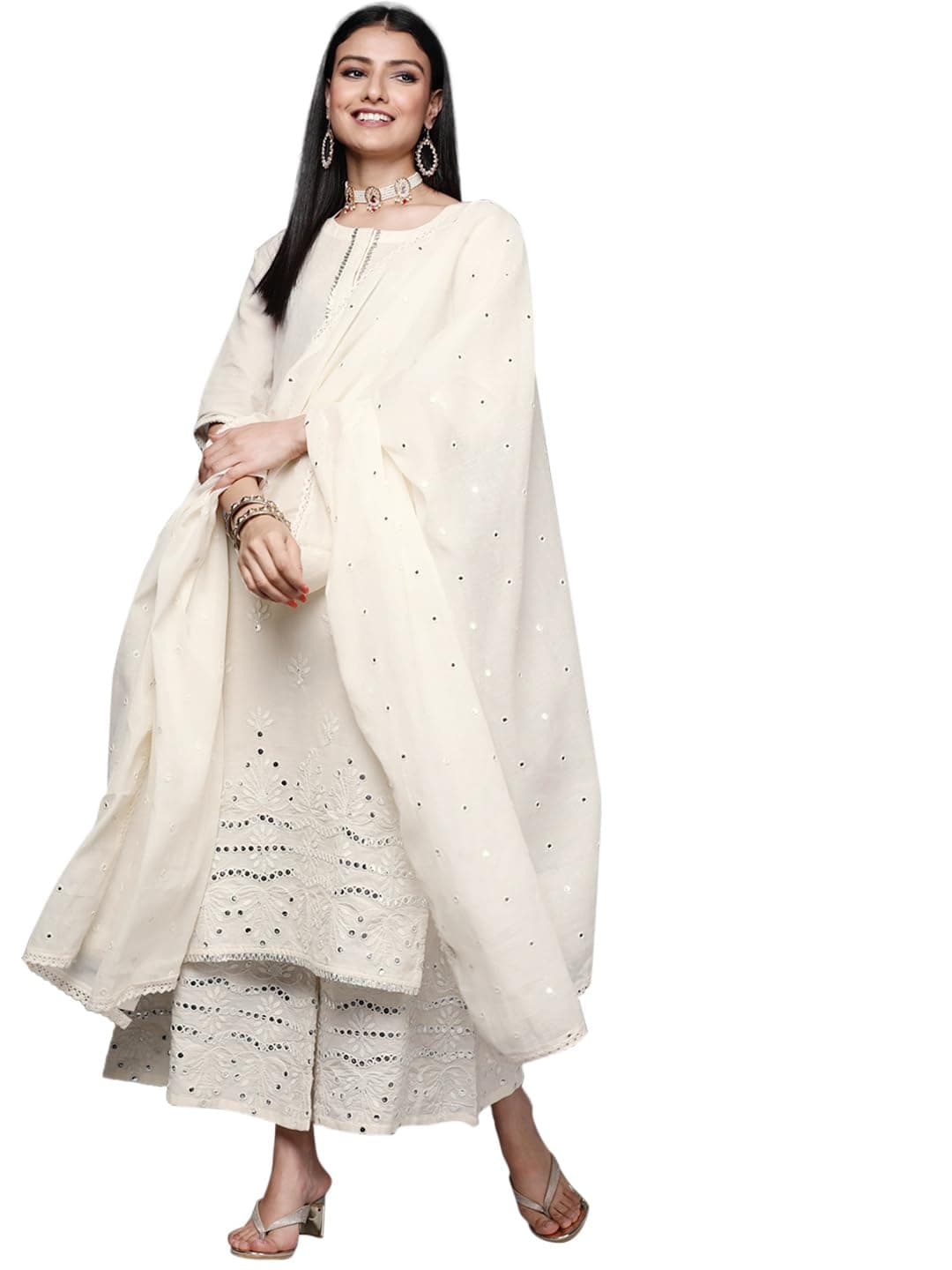
Libas Women's Embroidered Cotton Straight Kurta with Palazzos & Dupatta
 COD Available
libas
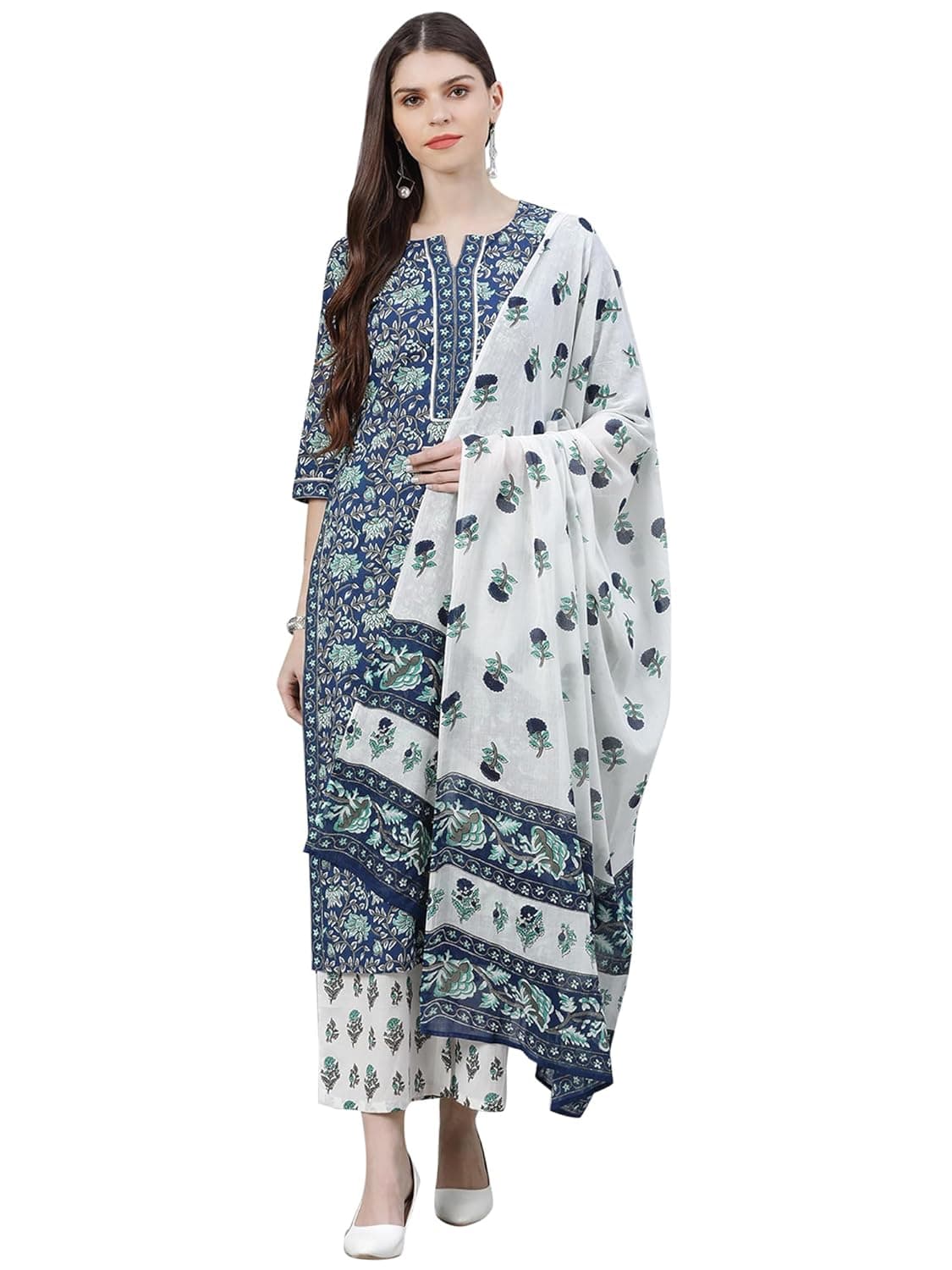
Libas Women's Cotton Printed Kurta Set Multicoloured
COD Availablelibas
Libas Printed Silk Blend Round Neck Kurta Pant Set Pink
Price Guide
| Tier | Price Range | What You Get |
|---|---|---|
| Entry | Rs 500 – Rs 2,500 | Polyester velvet garment; durable, festive, not breathable for long wear |
| Mid | Rs 2,500 – Rs 7,000 | Viscose or rayon velvet; better drape and pile quality, more comfortable to wear |
| Premium | Rs 7,000 – Rs 15,000+ | Silk velvet or high-quality velvet with embroidery or embossing; true luxury texture |
Care & Maintenance
- Dry clean only for most velvet garments — washing velvet (especially silk velvet) at home risks crushing the pile permanently or causing uneven shrinkage
- Never iron directly on velvet — use a velvet board (a board with velvet pile facing up) under the garment and steam from above, or take to a professional for finishing
- Store rolled or hanging, never folded — crushing velvet pile creates permanent marks that cannot be steamed out once set
- Brush pile direction regularly with a soft-bristled clothes brush — keeps the pile aligned and looking fresh between wears
Styling Tips
Velvet is a winter and festive fabric — it reads as rich and ceremonial, and performs best in cooler temperatures. A deep jewel-tone velvet lehenga (emerald, ruby, sapphire, or midnight navy) with antique gold or Polki jewellery is one of the most classic bridal looks in Indian fashion. Velvet blouses paired with contrasting silk or brocade sarees create a luxurious mix-media festive look. For a contemporary approach, a velvet crop jacket or short coat over a simple silk saree is a modern bridal or reception look. Avoid pairing velvet with other heavy-texture fabrics — let the velvet be the statement.
OUR VERDICT
Velvet is unapologetically luxurious — in a world of fast fashion and synthetic fabrics, it remains an irreplaceable choice for occasions when you want to feel truly dressed up. Quality velvet (viscose minimum, silk when you can) is a wardrobe investment that photographs beautifully, feels extraordinary to wear, and signals genuine elegance. For winter weddings and major festive occasions, nothing competes with velvet's presence.