
History & Origin
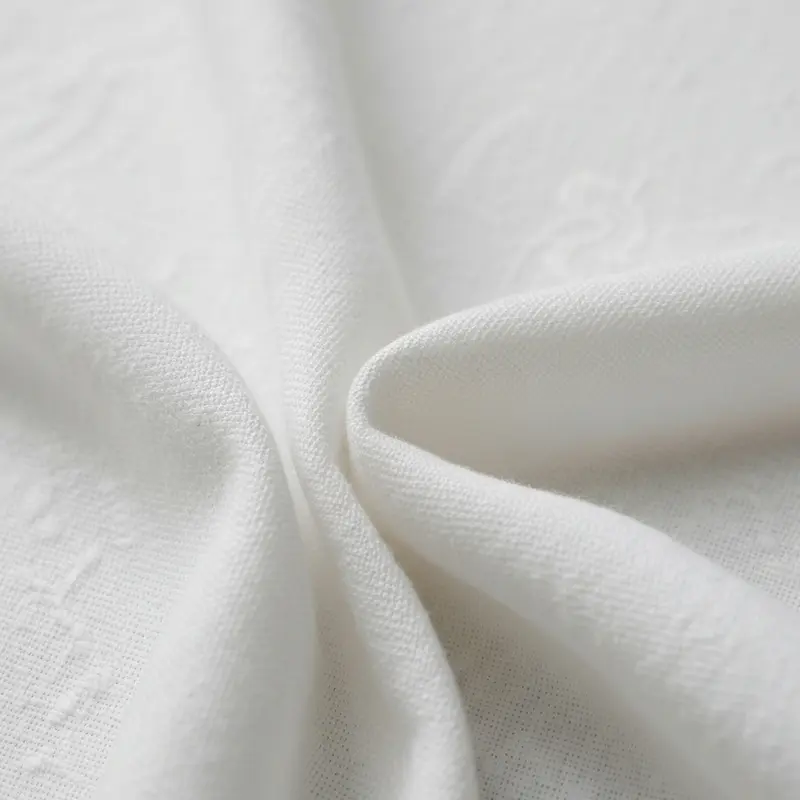
India has been weaving cotton for over 5,000 years — the Indus Valley civilisation exported cotton muslin to Mesopotamia. The British colonial mill system nearly destroyed handloom cotton weaving, but the Swadeshi movement of the early 20th century revived it as a symbol of resistance. Today India is the world's largest producer of cotton and home to dozens of distinct regional cotton traditions.
Each region adds its own character: Rajasthani cotton carries bold block prints, Andhra's fabrics carry temple borders in contrasting colours, and Bengal produces some of the finest thread-count cottons in the world. The 'ethnic cotton' category at boutiques today is an umbrella covering all these traditions — united by natural fibre, breathability, and handcraft heritage.
How to Identify Authentic Cotton Ethnic Fabric
- Burn test — authentic cotton burns cleanly, smells like paper, leaves a soft ash; synthetics melt and smell chemical
- Weave irregularity — handloom cotton has slight thread variation; perfectly uniform weave signals power-loom or synthetic blend
- Natural texture — pure cotton feels slightly rough when dry but softens with washing; polyester blends feel slick
- Sweat absorption — hold the fabric to your wrist for 30 seconds; genuine cotton wicks instantly, blends bead moisture
- Shrinkage — unfinished cotton shrinks 3–5% in first wash; pre-shrunk or synthetic fabric holds exact dimensions
Types & Varieties
| Type | Characteristic | Price Range | Best For |
|---|---|---|---|
| Plain cotton | Solid weave, lightweight, easy care | Rs 150–400/m | Daily kurtis, office wear |
| Block-print cotton | Hand-stamped motifs, natural dyes | Rs 300–800/m | Casual kurtas, summer dresses |
| Dobby cotton | Geometric texture woven into fabric | Rs 400–1,000/m | Festive kurtis, semi-formal |
| Slub cotton | Irregular thick-thin thread for texture | Rs 250–600/m | Tops, palazzos, co-ord sets |
Best Brands
Fabindia has built its entire identity on Indian handloom cotton and remains the gold standard for quality and authenticity. Biba offers polished, trend-forward cotton kurtis at accessible price points. For handwoven pieces with GI-quality craftsmanship, independent weavers on platforms like Jaypore and Craftsvilla are excellent. Libas and W brand are solid mid-market options for office-ready cotton ethnic.
 COD Available
biba
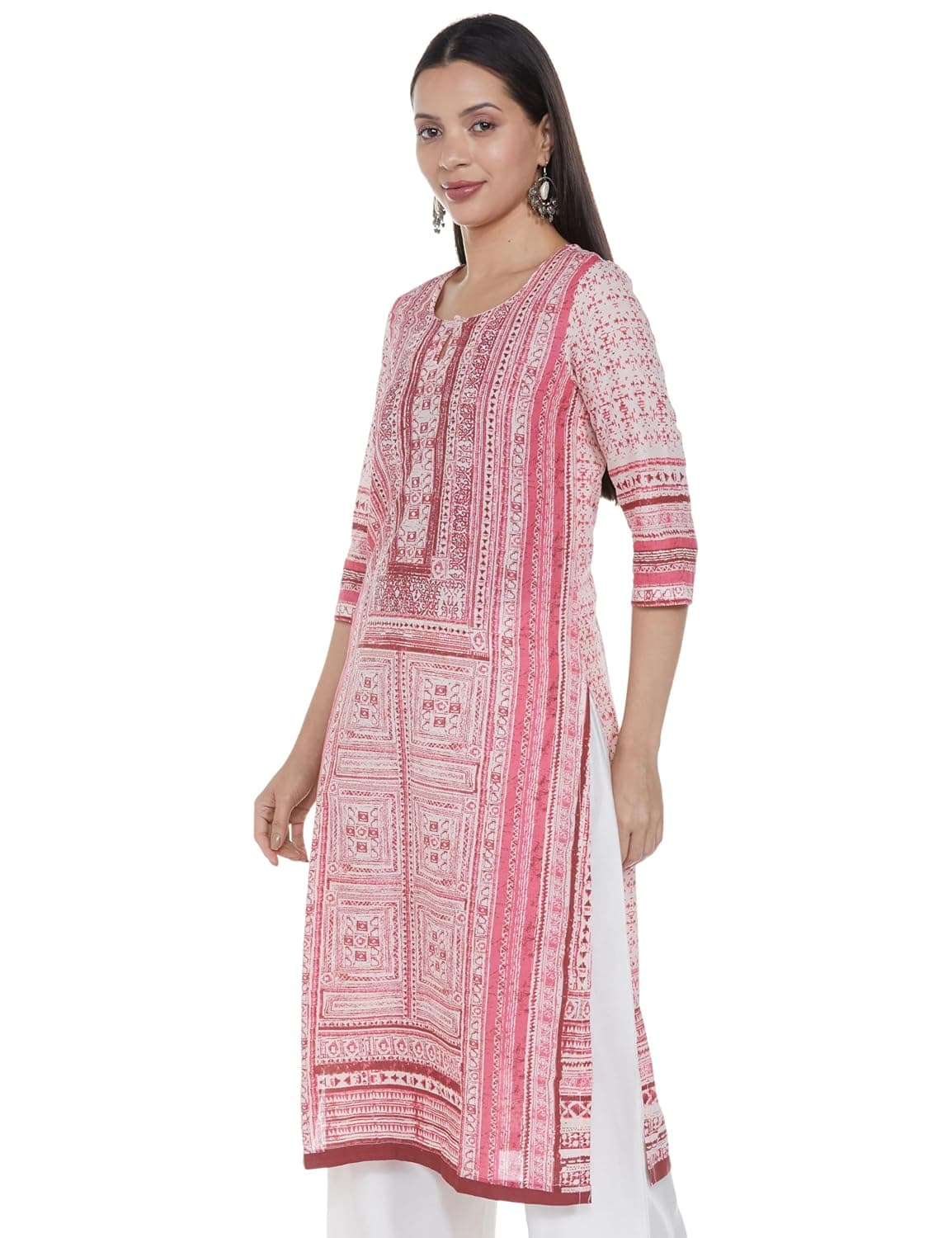
BIBA Women's Cotton Straight Printed Kurta
 COD Available
biba
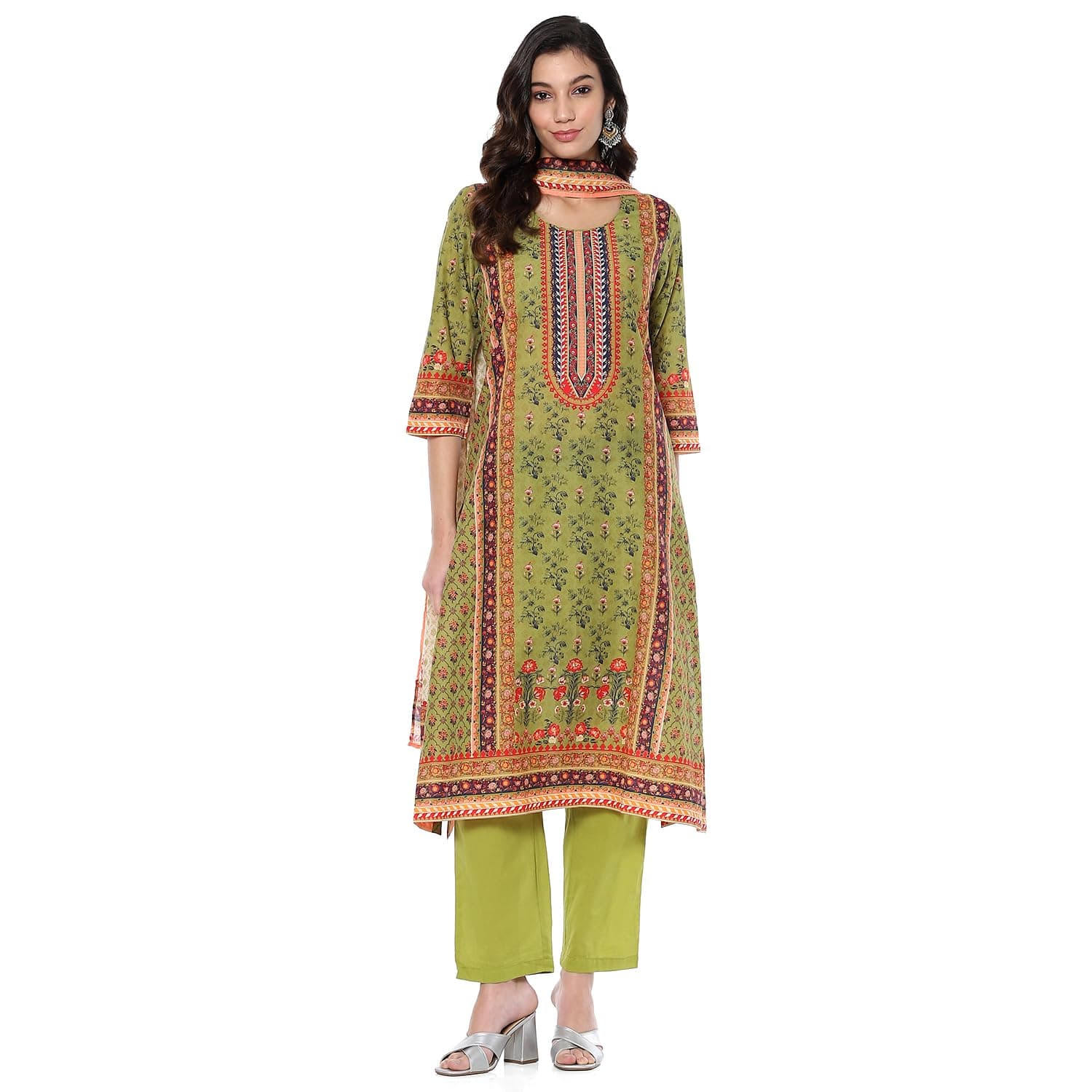
BIBA Women's Cotton Printed Kurta Set with Dupatta
 COD Available
libas
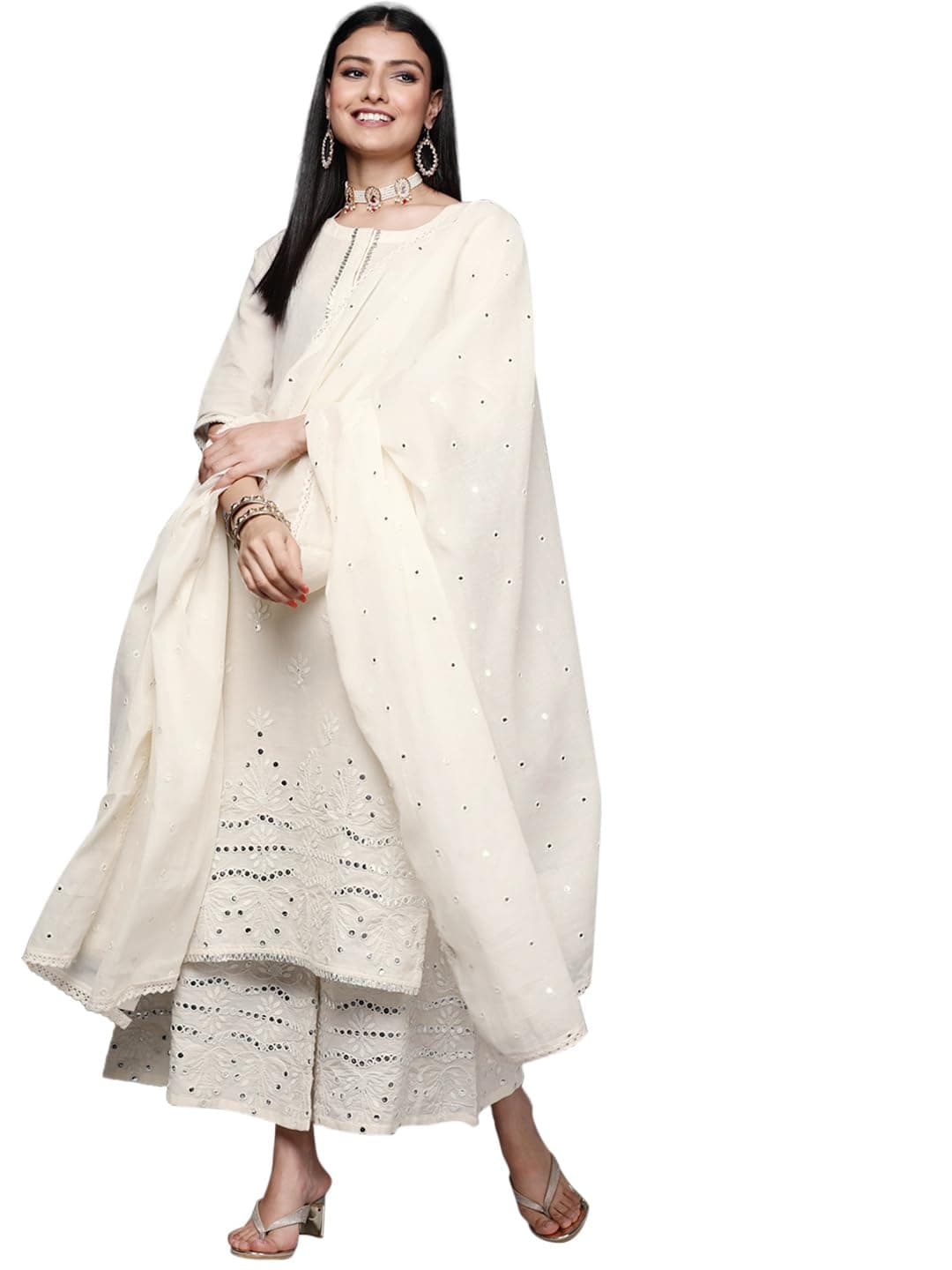
Libas Women's Embroidered Cotton Straight Kurta with Palazzos & Dupatta
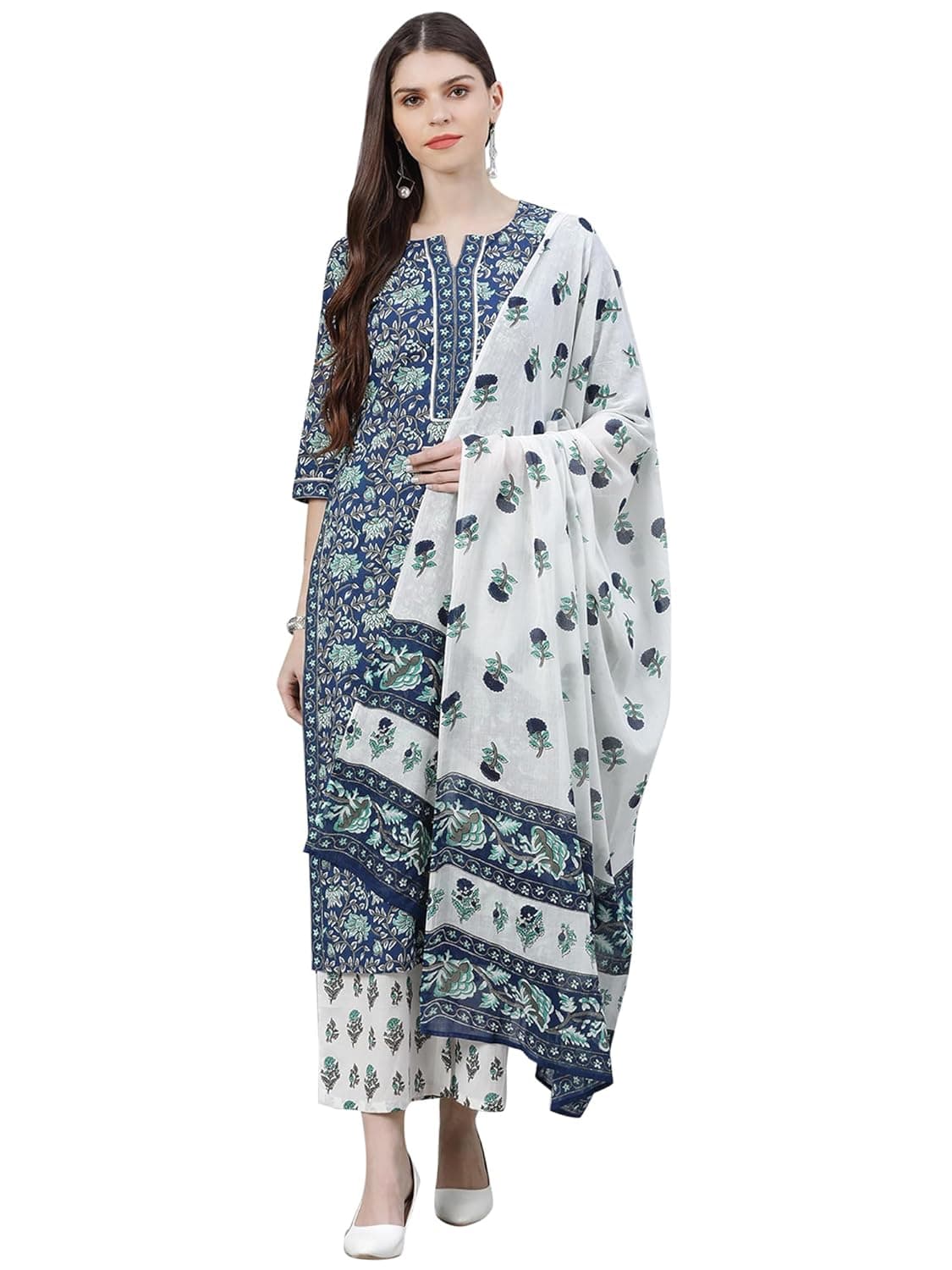 COD Available
libas
Libas Women's Cotton Printed Kurta Set Multicoloured
COD Availablelibas
Libas Printed Silk Blend Round Neck Kurta Pant Set Pink
 COD Available
m.r.p:
Women’s Kurta Set with Dupatta | 3 Piece Kurta Pant Set for Women | Ethnic Printed Kurta Suit | Cotton Blend Traditional Kurta Set | Festive, Casual
Price Guide
| Tier | Price Range | What You Get |
|---|---|---|
| Budget | Rs 400–900 | Power-loom cotton, basic prints, standard finishing |
| Mid-range | Rs 900–2,200 | Handloom or quality mill cotton, hand block print, better embroidery |
| Premium | Rs 2,200–4,000+ | Fine handloom, natural dyes, artisan brands, rich embellishments |
Care & Maintenance
- Machine wash cold (30°C) on gentle cycle — hot water fades prints and shrinks fabric
- Turn garments inside out before washing to protect surface prints and embroidery
- Air dry in shade — direct sun bleaches natural dyes and yellows white cotton
- Iron at medium heat while slightly damp for crisp results without damage
- Store folded, not hung — hanging causes shoulder stretch on lightweight cotton
Styling Tips
Cotton ethnic is uniquely cross-occasion. A straight-cut cotton kurti with cigarette pants works for client meetings; the same kurti belted over leggings becomes weekend casual. Block-print cotton kurtas in earthy tones pair brilliantly with handloom dupattas from a contrasting tradition — try a Rajasthani print top with a Kutch embroidered dupatta for an effortlessly layered regional look.
OUR VERDICT
Cotton ethnic fabric is the smartest investment in any Indian wardrobe — it works 12 months a year (with the right weave weight), requires minimal care, and only gets softer and more personal with washing. Buy handloom where you can; the extra Rs 300–500 supports a craft tradition and gets you a fabric that outlasts three polyester blouses.