
History & Origin
Gandhi popularised khadi in the 1920s as a weapon against British textile imports — spinning cotton at home was a daily act of civil disobedience. The Khadi and Village Industries Commission (KVIC), established in 1956, gave the fabric an institutional backbone and today certifies authentic khadi through its Khadi Mark label. Registered khadi production centres operate across Gujarat, Rajasthan, Karnataka, and Bengal.
Modern khadi has evolved far beyond its political origins. Designers like Anita Dongre, Abraham & Thakore, and Gaurang Shah have built luxury collections around it. The government's 'Khadi for Nation, Khadi for Fashion' campaign boosted sales by over 300% between 2014 and 2022. Today khadi is simultaneously heritage textile, slow-fashion statement, and surprisingly chic office wear.
How to Identify Authentic Khadi
- Look for the Khadi Mark — the KVIC-certified label with a spinning wheel logo on authentic khadi products
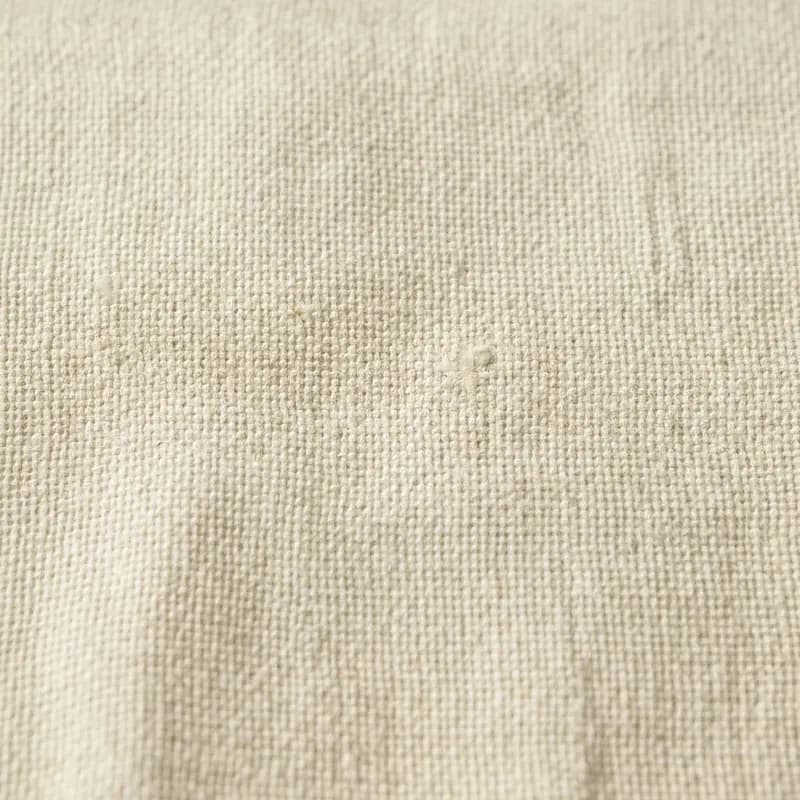
- Texture check — genuine khadi has slight thread irregularity (slubs) from hand-spinning; machine-spun imitations are uniformly smooth
- Weight test — khadi feels denser than equivalent mill cotton of the same GSM; the hand-spinning process compresses fibres differently
- Burn test — burns exactly like cotton (paper smell, soft ash) confirming natural fibre
- Price reality — certified khadi below Rs 400/metre for cotton or Rs 800/metre for silk is almost certainly fake; hand-spinning is labour-intensive
Types & Varieties
| Type | Characteristic | Price Range | Best For |
|---|---|---|---|
| Cotton khadi | Breathable, slight texture, earthy palette | Rs 300–700/m | Everyday kurtis, kurtas, shirts |
| Silk khadi | Lustrous, heavier, drapes beautifully | Rs 800–2,500/m | Festive sarees, occasion wear |
| Wool khadi | Warm, textured, natural insulation | Rs 600–1,500/m | Winter shawls, blazers |
| Poly-khadi blend | Machine-washable, less authentic | Rs 200–450/m | Daily office wear on a budget |
Best Brands
KVIC Gramodyog stores are the most reliable source for certified khadi at fair prices. Fabindia carries an excellent handpicked khadi range. For fashion-forward khadi, Anita Dongre's Grassroot label and Ritu Kumar's Ikai line are standouts. The Handloom Mark-certified weavers on iHandicraft and Craftmark platforms offer artisan-direct pricing without boutique markups.
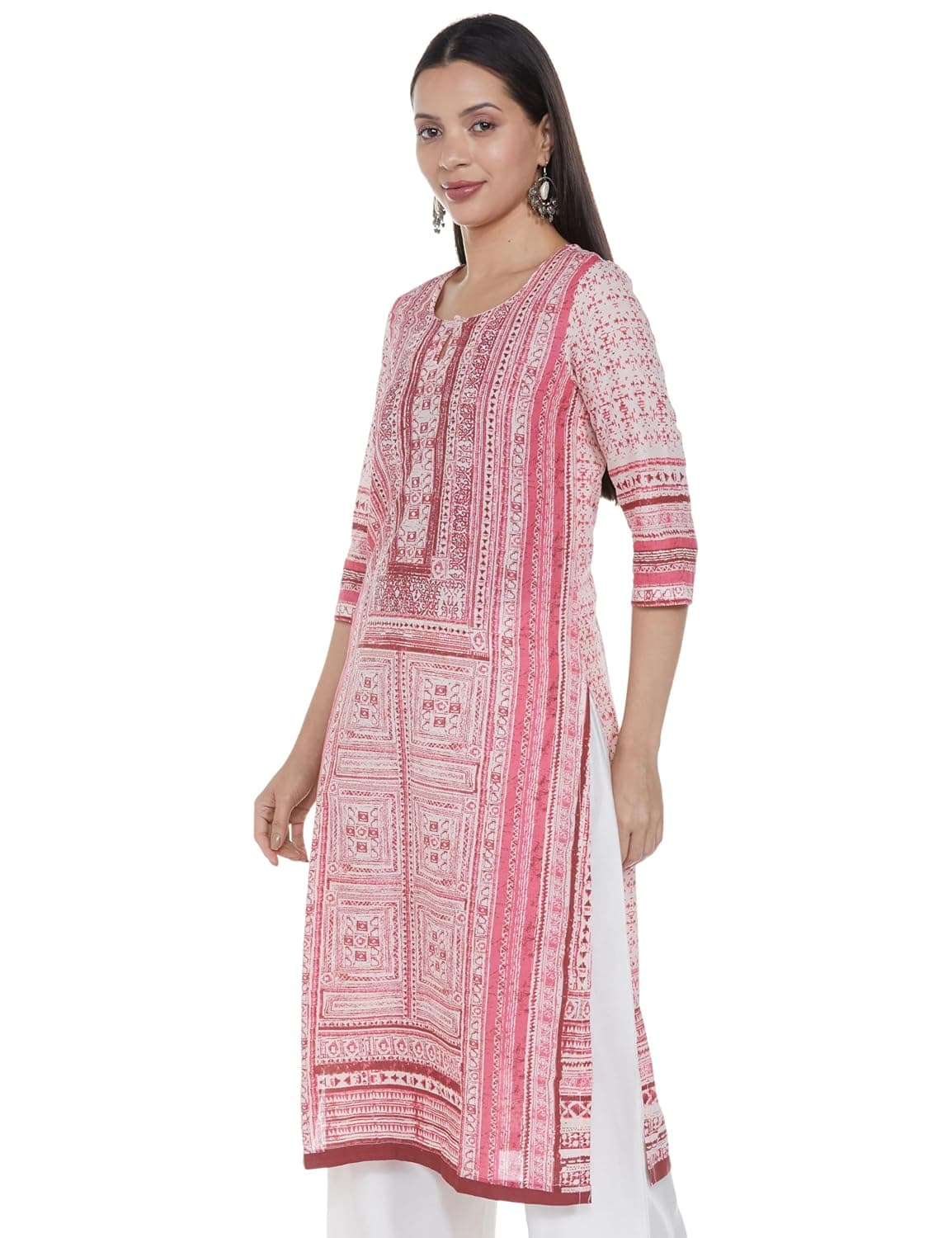 COD Available
biba
BIBA Women's Cotton Straight Printed Kurta
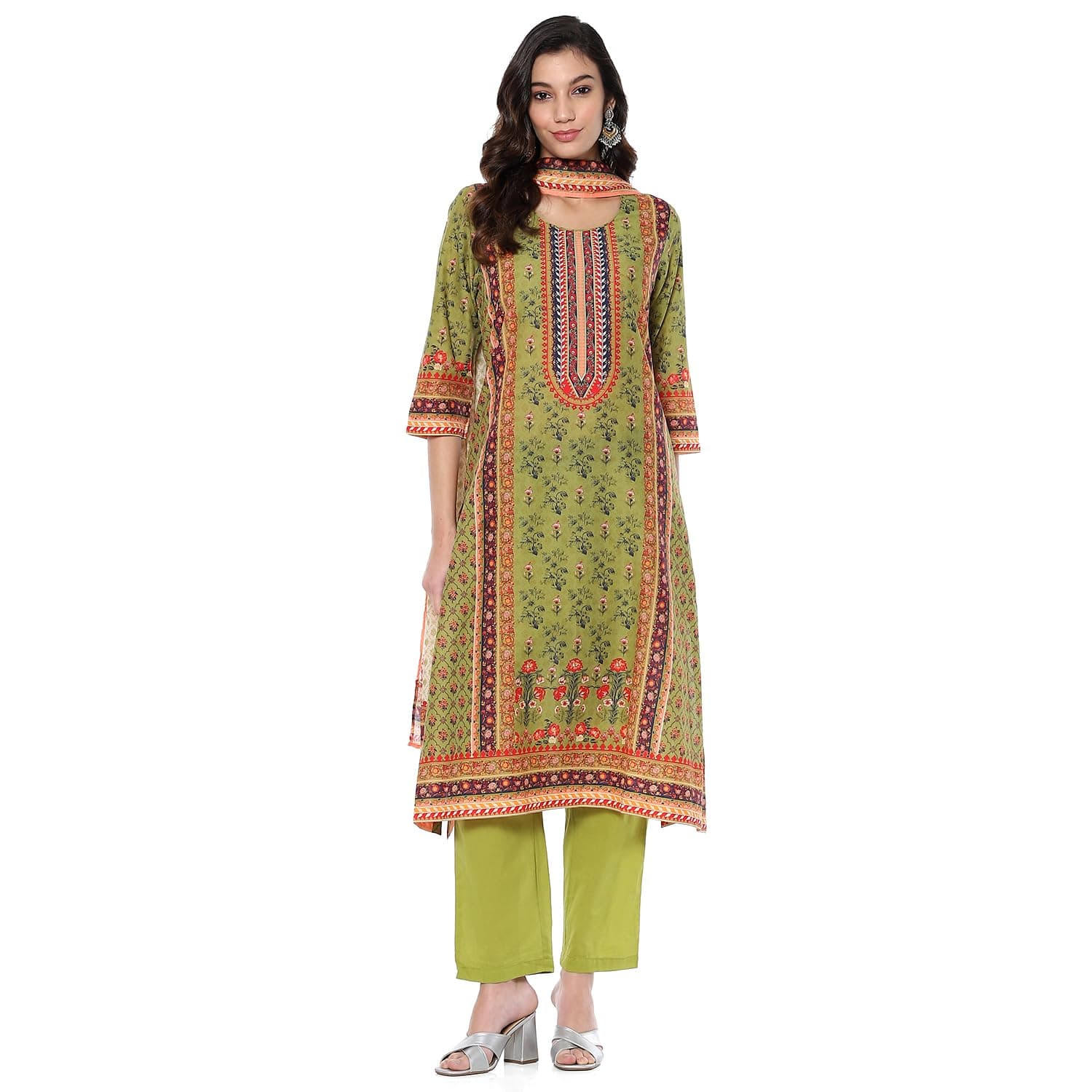 COD Available
biba
BIBA Women's Cotton Printed Kurta Set with Dupatta
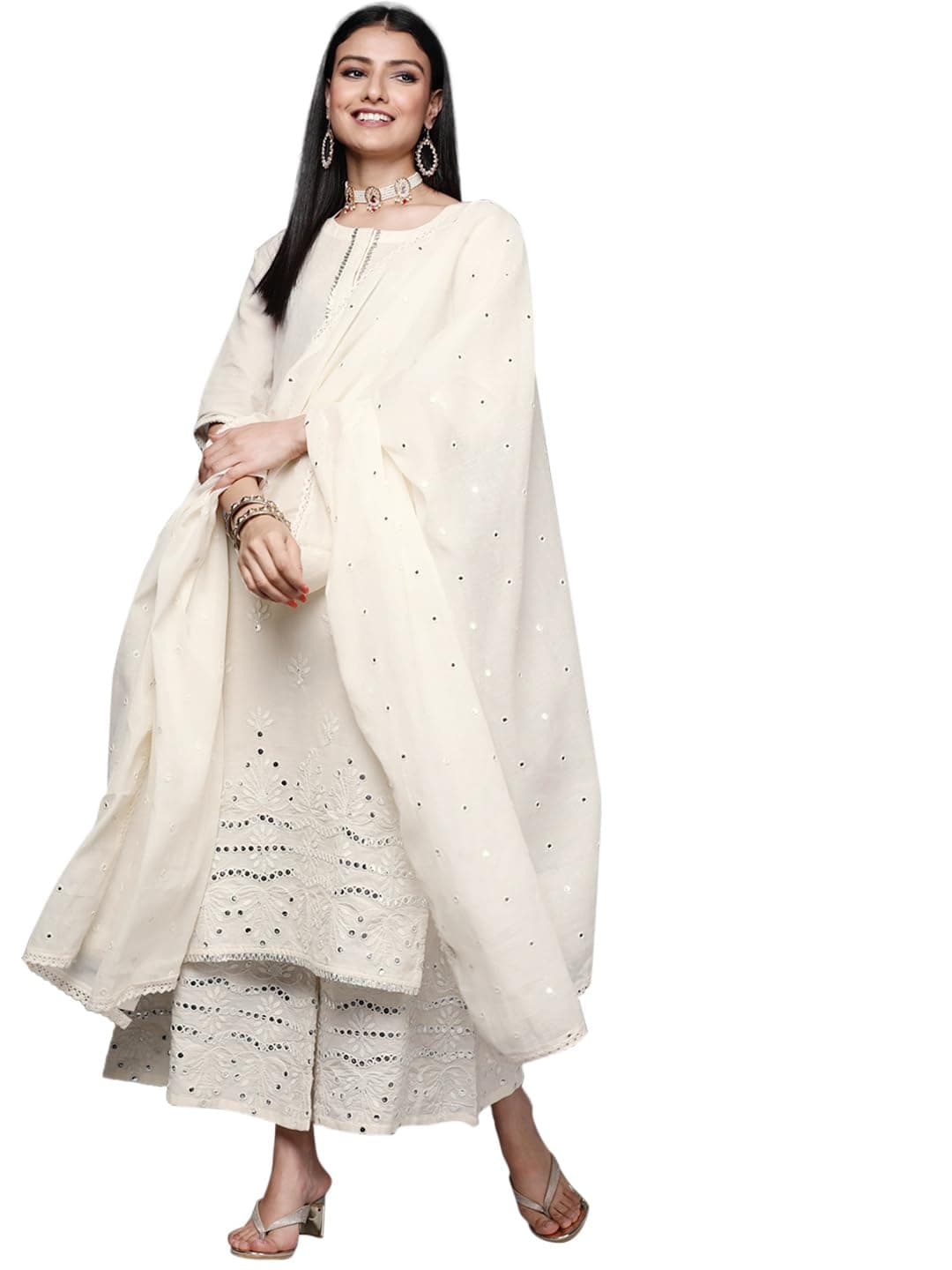 COD Available
libas
Libas Women's Embroidered Cotton Straight Kurta with Palazzos & Dupatta
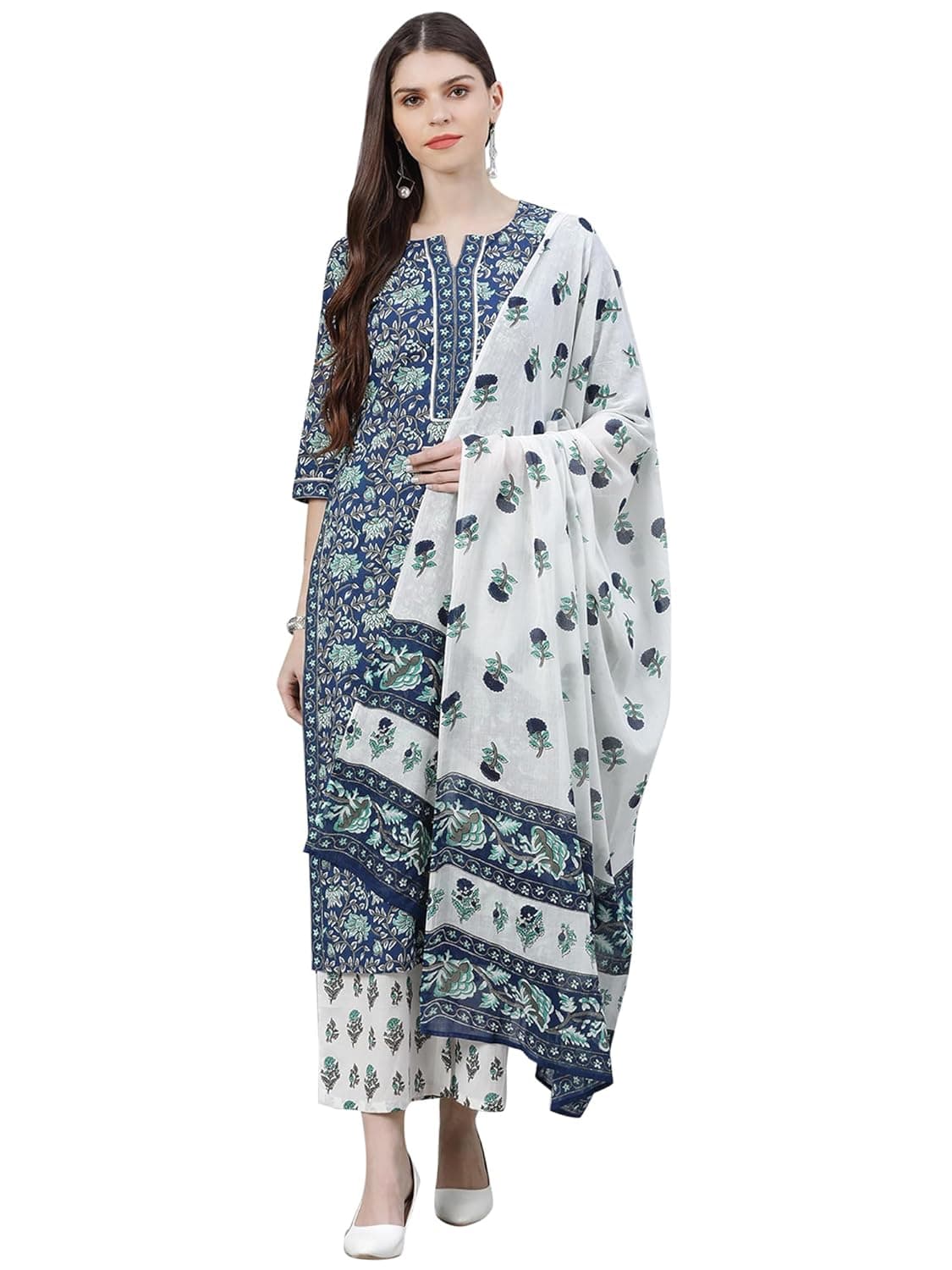 COD Available
libas
Libas Women's Cotton Printed Kurta Set Multicoloured
COD Availablelibas
Libas Printed Silk Blend Round Neck Kurta Pant Set Pink
 COD Available
m.r.p:
Women’s Kurta Set with Dupatta | 3 Piece Kurta Pant Set for Women | Ethnic Printed Kurta Suit | Cotton Blend Traditional Kurta Set | Festive, Casual
Price Guide
| Tier | Price Range | What You Get |
|---|---|---|
| Budget | Rs 600–1,200 | KVIC store basics, simple kurtas, unprinted cotton khadi |
| Mid-range | Rs 1,200–3,000 | Branded khadi kurtis, printed or embroidered styles, retail boutiques |
| Premium | Rs 3,000–6,000+ | Designer khadi, silk khadi sarees, artisan collections, luxury labels |
Care & Maintenance
- Hand wash in cold water with mild detergent — machine washing can distort the handwoven structure
- Do not wring — roll gently in a dry towel to remove excess water before air drying
- Dry flat or hang on a wide hanger to prevent shoulder distortion
- Iron at medium heat with a damp cloth on top — khadi wrinkles easily and benefits from steam
- Expect natural softening with each wash — the texture improves beautifully over time
Styling Tips
Khadi looks best when styled with restraint — the fabric itself is the statement. A natural-tone khadi kurta with straight-cut trousers and Kolhapuri chappals is a complete look that works for office presentations to art gallery openings. For evening, pair a khadi silk kurta with a rich Chanderi dupatta. Avoid synthetic or overly shiny accessories — handcrafted jewellery in brass, silver, or terracotta complements the artisan ethos.
OUR VERDICT
Khadi is one of those rare fabrics that improves with age — it softens, moulds to your body, and accumulates character that no machine-made fabric can fake. If you're building a capsule ethnic wardrobe, one or two quality khadi pieces are non-negotiable. Buy certified, care gently, and wear with the quiet confidence of wearing something genuinely made by human hands.