
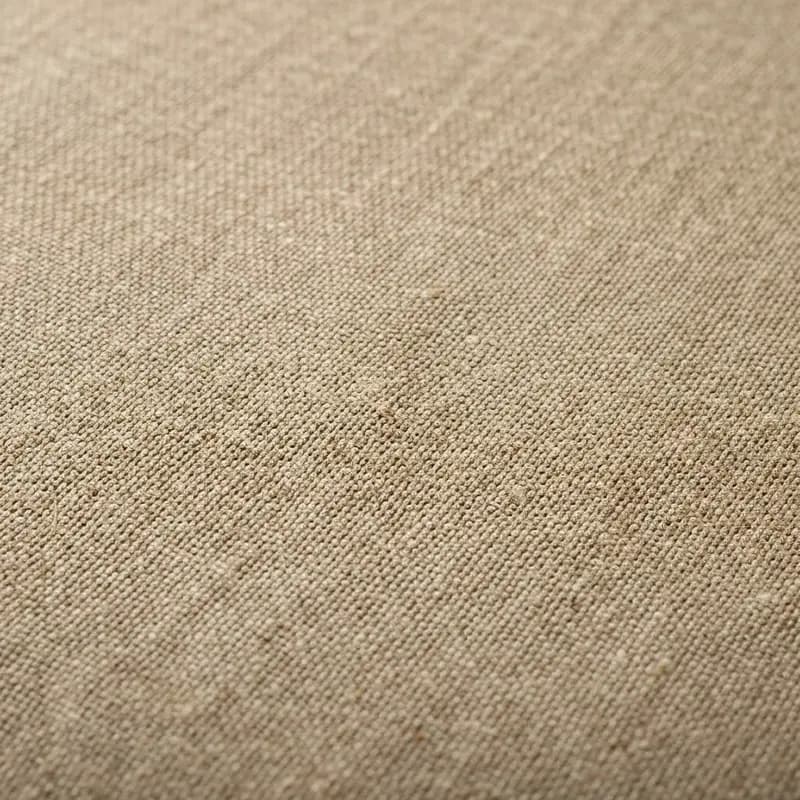
History & Origin
Linen is one of the world's oldest textiles — Egyptian mummies were wrapped in it and Mesopotamian traders valued it highly. India has a complex relationship with linen: traditional Indian textiles were overwhelmingly cotton or silk, and linen remained a European cloth until 20th-century fashion globalisation. West Bengal developed significant linen processing infrastructure in the colonial era, and today India produces both raw linen from imported flax and finished woven linen, primarily in the Kolkata-Howrah textile belt.
The 'linen ethnic' category emerged strongly in Indian fashion around 2010–2015, driven by designer experiments at Lakme Fashion Week and growing consumer preference for natural, sustainable textiles. Brands like Fabindia, W, and smaller artisan labels began cutting linen into kurta silhouettes, adding hand block prints and Indian embroidery, creating a fabric category that sits at the intersection of modern minimalism and ethnic tradition.
How to Identify Quality Linen Ethnic Fabric
- Crumple test — genuine linen crumples easily and retains visible creases; polyester or viscose 'linen-look' bounces back with few wrinkles
- Touch test — pure linen feels cool and slightly rough (especially when new); it warms up against body heat; synthetics feel uniformly cool
- Shine test — linen has a natural subtle sheen from flax fibres; cotton-linen blends may look similar but linen-synthetics look shinier or too matte
- Thread count — quality linen for ethnic wear is typically 60–100 thread count; very low count (coarse) is for upholstery; very high (fine linen) drapes like silk
- Label check — insist on '100% linen' not 'linen look' or 'linen touch' — these are marketing terms for blends or synthetics
Types & Varieties
| Type | Characteristic | Price Range | Best For |
|---|---|---|---|
| Pure linen kurti | Crisp, structured, slightly heavy, wrinkles | Rs 800–3,500 | Office, formal events, travel |
| Linen-cotton blend | Less wrinkle-prone, softer, easier care | Rs 600–2,500 | Daily wear, casual occasions |
| Block-print linen | Hand-block printed motifs on linen ground | Rs 900–3,000 | Weekend, brunches, casual festive |
| Embroidered linen | Linen base with kantha or other embroidery | Rs 1,500–8,000 | Festive, occasions, dinner events |
Best Brands
Fabindia has an excellent linen ethnic range that offers consistent quality at mid-market prices. W brand and AND label offer fashion-forward linen kurtis with contemporary cuts. For pure linen sarees and sophisticated minimalist ethnic, Anavila Misra's label is exceptional — she pioneered the linen saree movement in India. Linen Club (a Birla brand) produces quality linen fabric sold by the metre for custom stitching.
 COD Available
biba
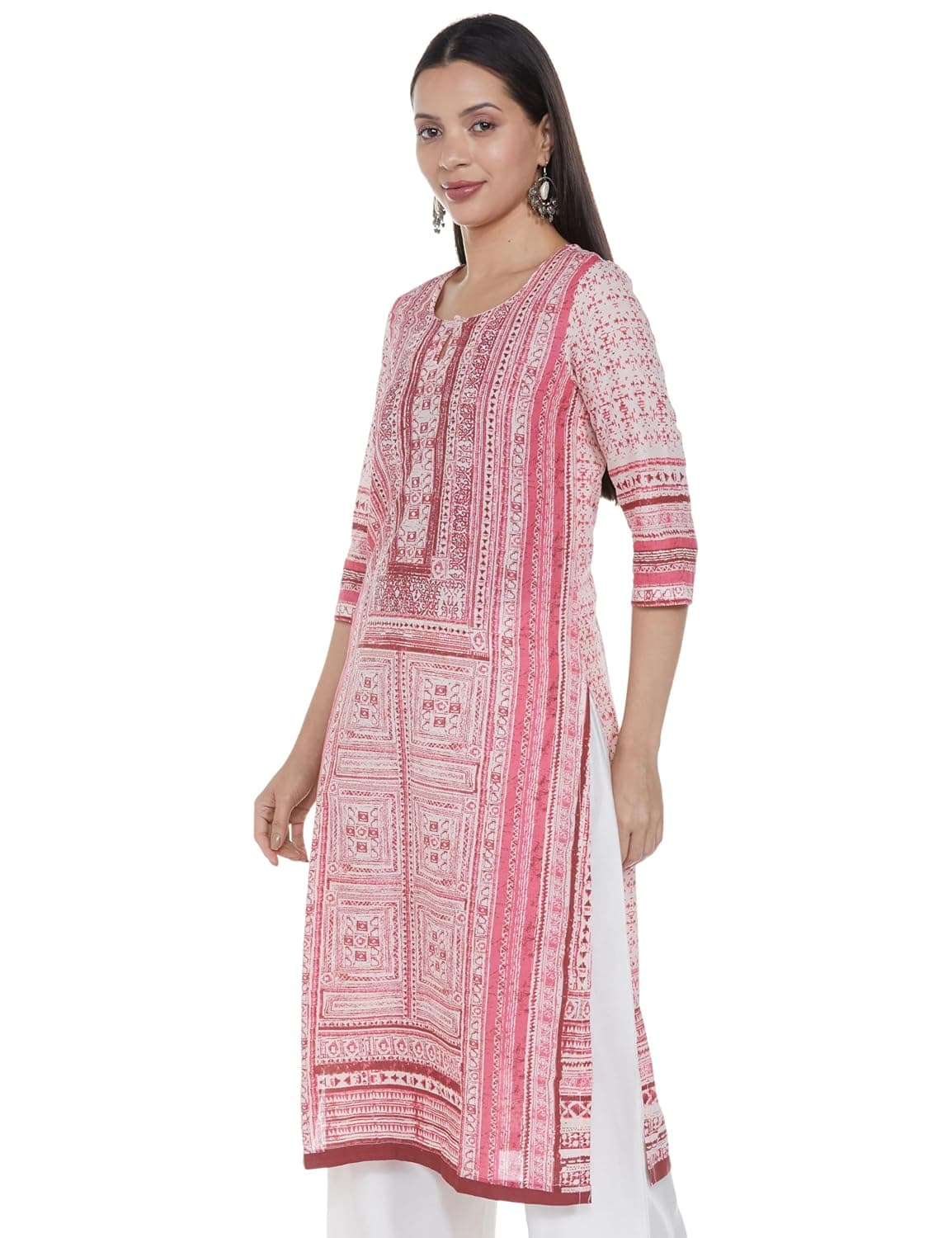
BIBA Women's Cotton Straight Printed Kurta
 COD Available
biba
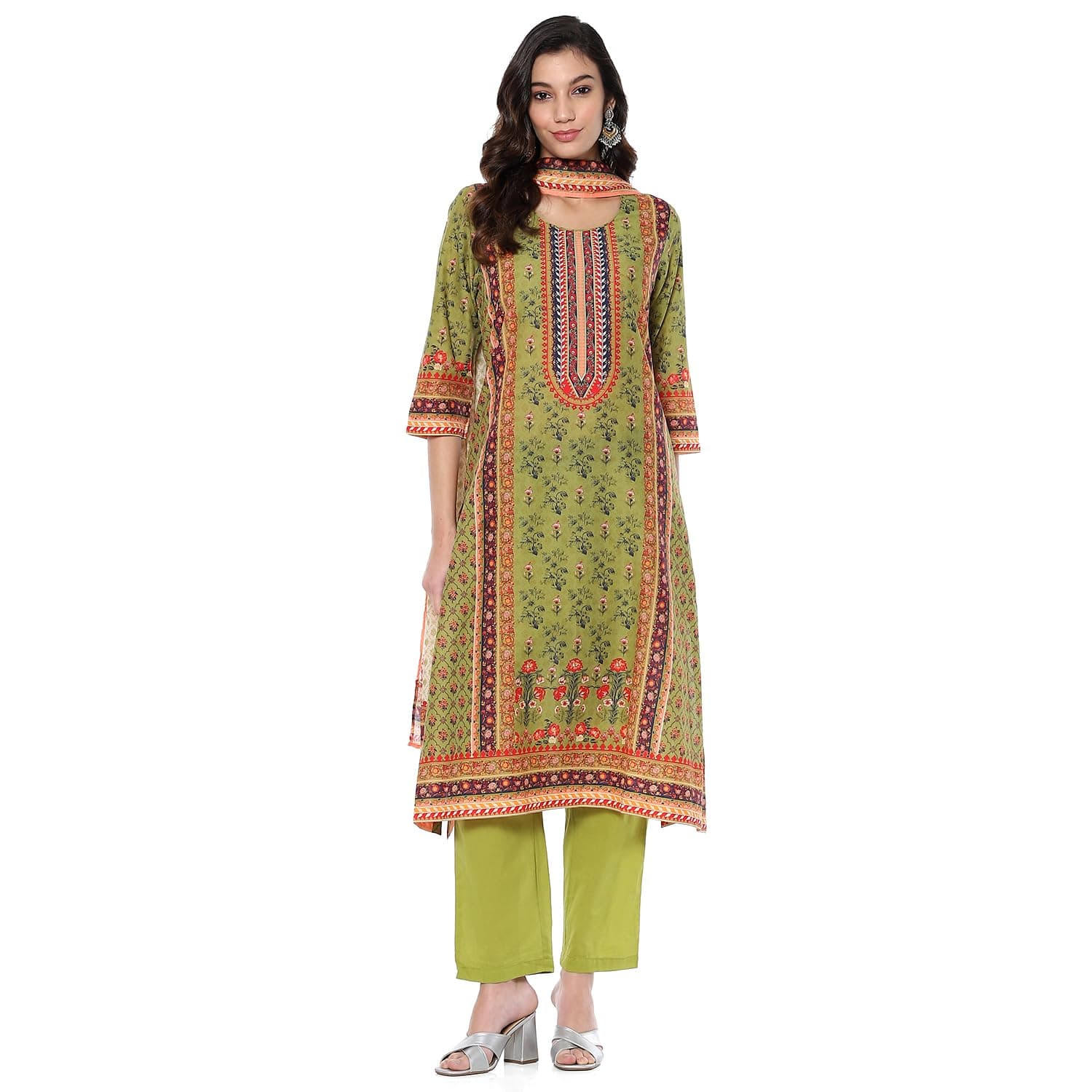
BIBA Women's Cotton Printed Kurta Set with Dupatta
 COD Available
libas
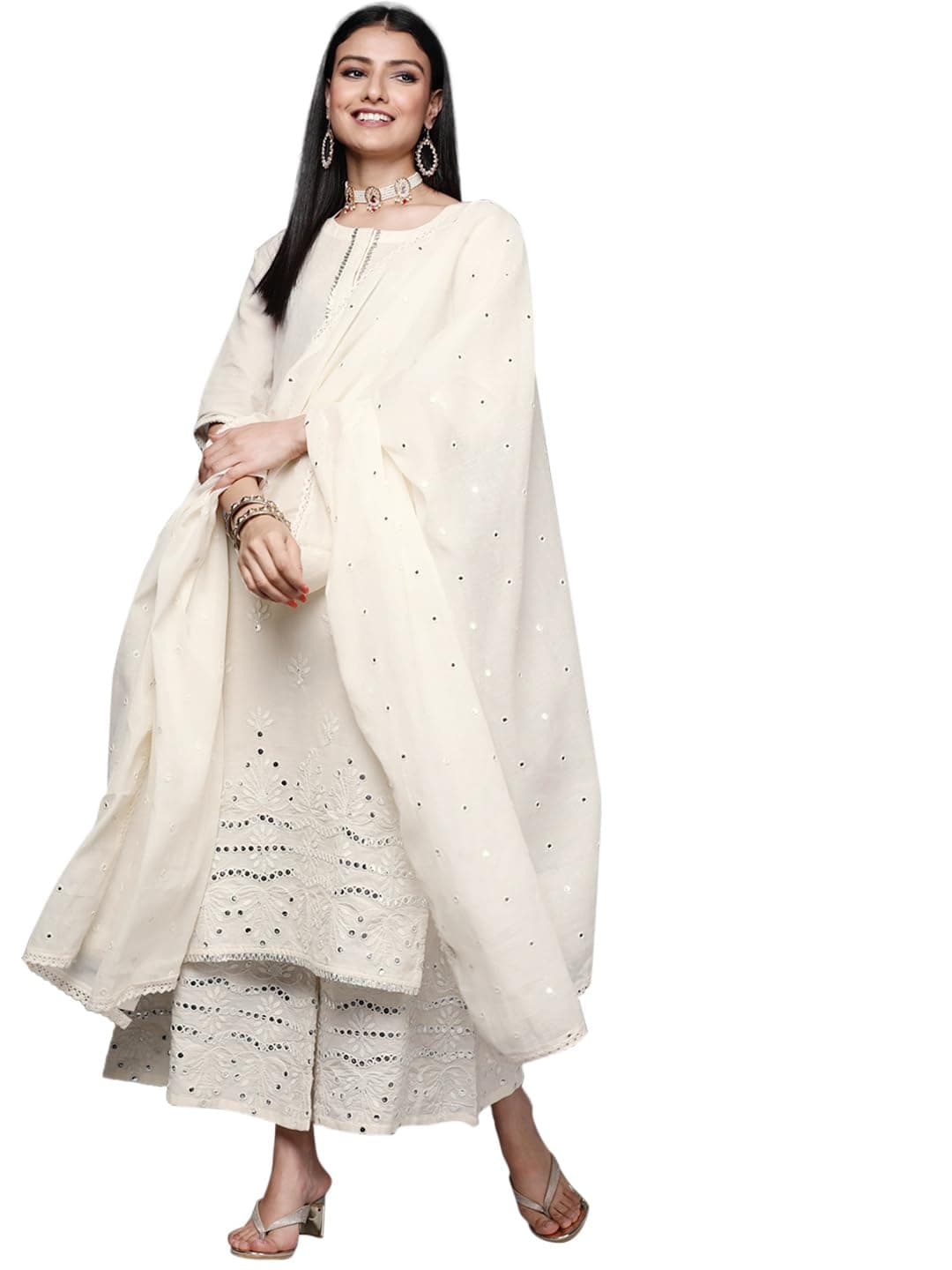
Libas Women's Embroidered Cotton Straight Kurta with Palazzos & Dupatta
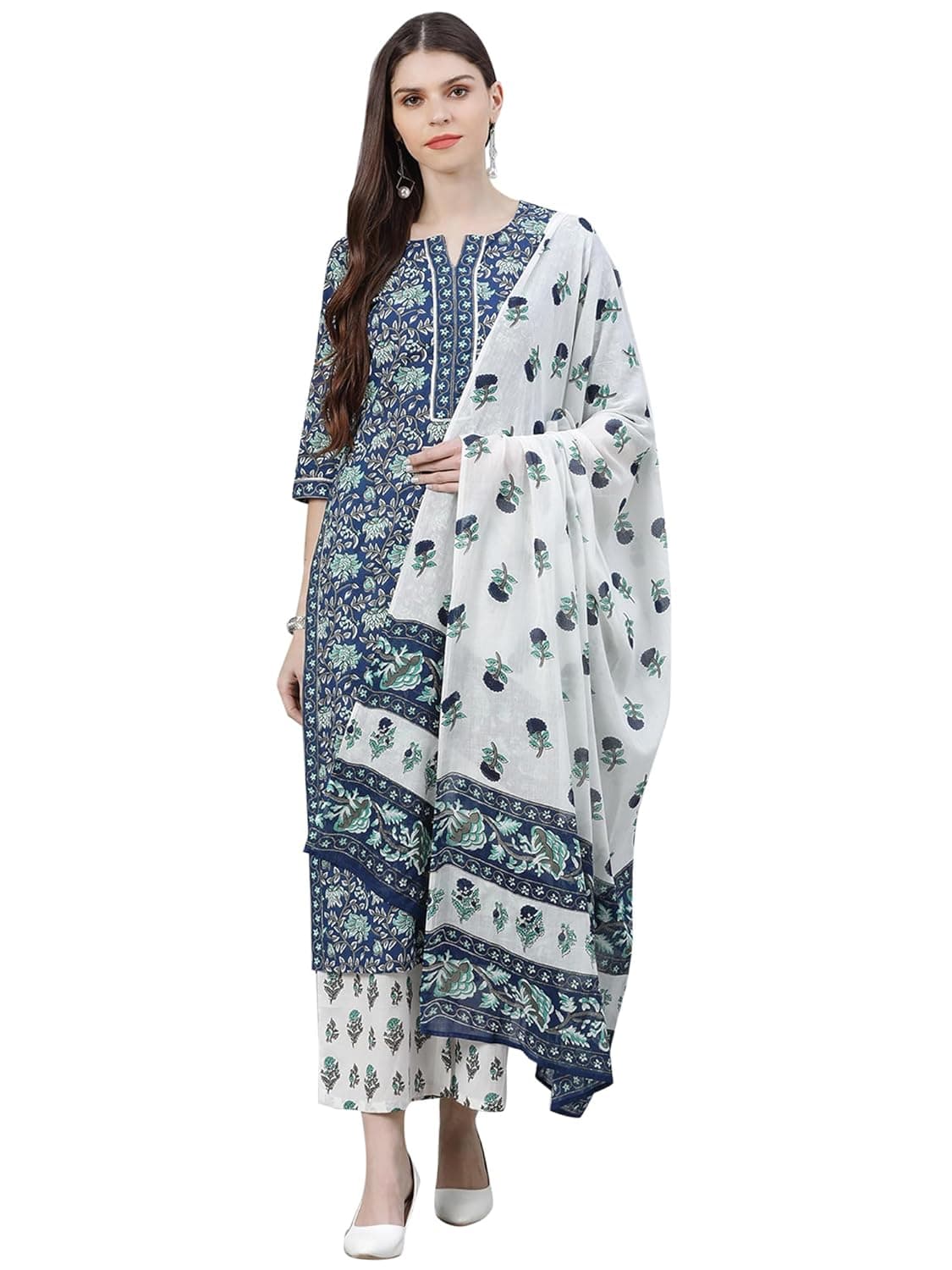 COD Available
libas
Libas Women's Cotton Printed Kurta Set Multicoloured
COD Availablelibas
Libas Printed Silk Blend Round Neck Kurta Pant Set Pink
 COD Available
m.r.p:
Women’s Kurta Set with Dupatta | 3 Piece Kurta Pant Set for Women | Ethnic Printed Kurta Suit | Cotton Blend Traditional Kurta Set | Festive, Casual
Price Guide
| Tier | Price Range | What You Get |
|---|---|---|
| Budget | Rs 700–1,500 | Linen-cotton blend kurtis, basic styles, mass market brands |
| Mid-range | Rs 1,500–3,500 | Pure linen kurtis, block prints, quality brands like Fabindia |
| Premium | Rs 3,500–8,000+ | Designer linen sarees, embellished linen, artisan labels |
Care & Maintenance
- Machine wash on gentle cycle with cold water — linen is strong and handles machine washing well
- Remove promptly from washing machine — linen set-creases if left wet in a bundle
- Dry flat or hang immediately to prevent wrinkle-setting
- Iron while slightly damp on linen/cotton setting — linen responds beautifully to steam ironing
- Expect and embrace some wrinkling during wear — it's a characteristic of genuine linen, not a defect
Styling Tips
Linen ethnic is at its best when styled with quiet confidence — tuck a linen kurta into wide-leg trousers, or wear a long A-line linen kurta over churidars. The fabric's inherent structure means it doesn't need much embellishment. Pair with silver jewellery and leather accessories for a put-together look. A linen saree in a natural tone with minimal zari border is the closest Indian fashion gets to contemporary minimalism without sacrificing ethnic identity.
OUR VERDICT
Linen ethnic is the grown-up choice in the Indian natural-fabric category — sophisticated, sustainable, and increasingly versatile. The wrinkling that puts some buyers off is actually a sign of quality; it means you're wearing the real thing. Invest in a few good linen kurtis and a linen saree, learn to embrace the lived-in texture, and you'll find it becomes your most-reached-for wardrobe choice for any occasion between casual and formal.