
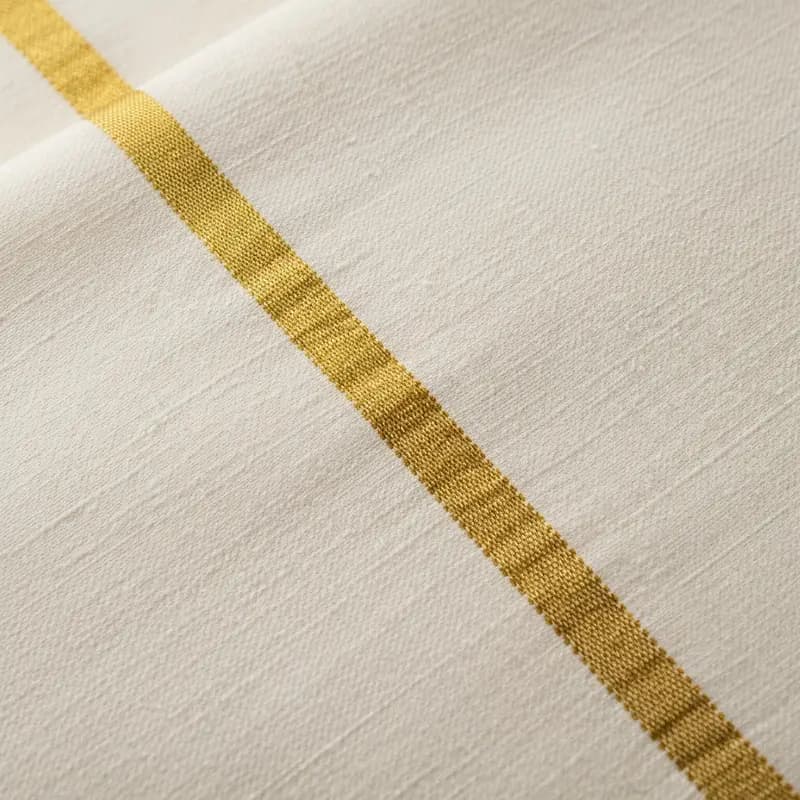
History & Origin
The Kasavu weaving tradition is centred in several towns across Kerala, most notably Balaramapuram near Thiruvananthapuram, Chendamangalam near Ernakulam, and Kuthampully in Thrissur district. Each centre has its own weaving community — in Balaramapuram, the weaving castes (Devanga and Chaliyan communities) have practised this craft for centuries. The fabric was traditionally associated with temple rituals and royal courts of the Travancore and Cochin kingdoms.
Kasavu gained its maximum cultural prominence as the required dress for Onam celebrations — the annual harvest festival of Kerala. The image of Kerala women in white-and-gold Kasavu sarees during Onam is one of India's most recognisable festive visuals. This cultural centrality has kept the Kasavu tradition vital even as fashion trends change — every Keralite woman owns at least one Kasavu, and gifting one for Onam is among the most meaningful presents possible.
How to Identify Authentic Kasavu
- The kasavu border — genuine Kasavu has a border woven with real or tested zari in a distinctive design; the border should be integral to the fabric weave, not applied as a trim.
- Body fabric — traditional Kasavu has a pure white or natural cream (off-white) cotton or cotton-silk body; coloured bodies are contemporary variations.
- Balaramapuram or Kuthampully certification — sarees from these registered handloom centres carry certifications; look for these in product descriptions.
- Handloom Mark — genuine handloom Kasavu carries the government Handloom Mark certifying hand-woven manufacture.
- Price check — genuine handloom Kasavu starts at Rs 2,000 for a simple border; elaborate zari Kasavu runs Rs 8,000–20,000.
Types of Kasavu
| Type | Weight | Price Range | Best For |
|---|---|---|---|
| Traditional White-Gold Kasavu | Light-Medium | Rs 2,000 – Rs 12,000 | Onam, temple, Kerala festivals |
| Kasavu with Double Border | Medium | Rs 4,000 – Rs 20,000 | Weddings, major festivals |
| Coloured Kasavu (modern) | Light-Medium | Rs 2,500 – Rs 15,000 | Festive, daily ethnic, gifting |
| Pure Silk Kasavu | Medium | Rs 8,000 – Rs 30,000 | Weddings, bridal, occasions |
Best Brands for Kasavu
Kerala government cooperative stores (KSSK, Kerala Handlooms), Balaramapuram Handloom sellers, and established Kerala brands like Seematti and Kalyan Silks on Amazon offer good Kasavu. Satrani and Mimosa carry Kerala-style sarees with kasavu borders at accessible prices. For Onam gifting, government cooperative Kasavu is the most culturally authentic choice.
 COD Available
ishin
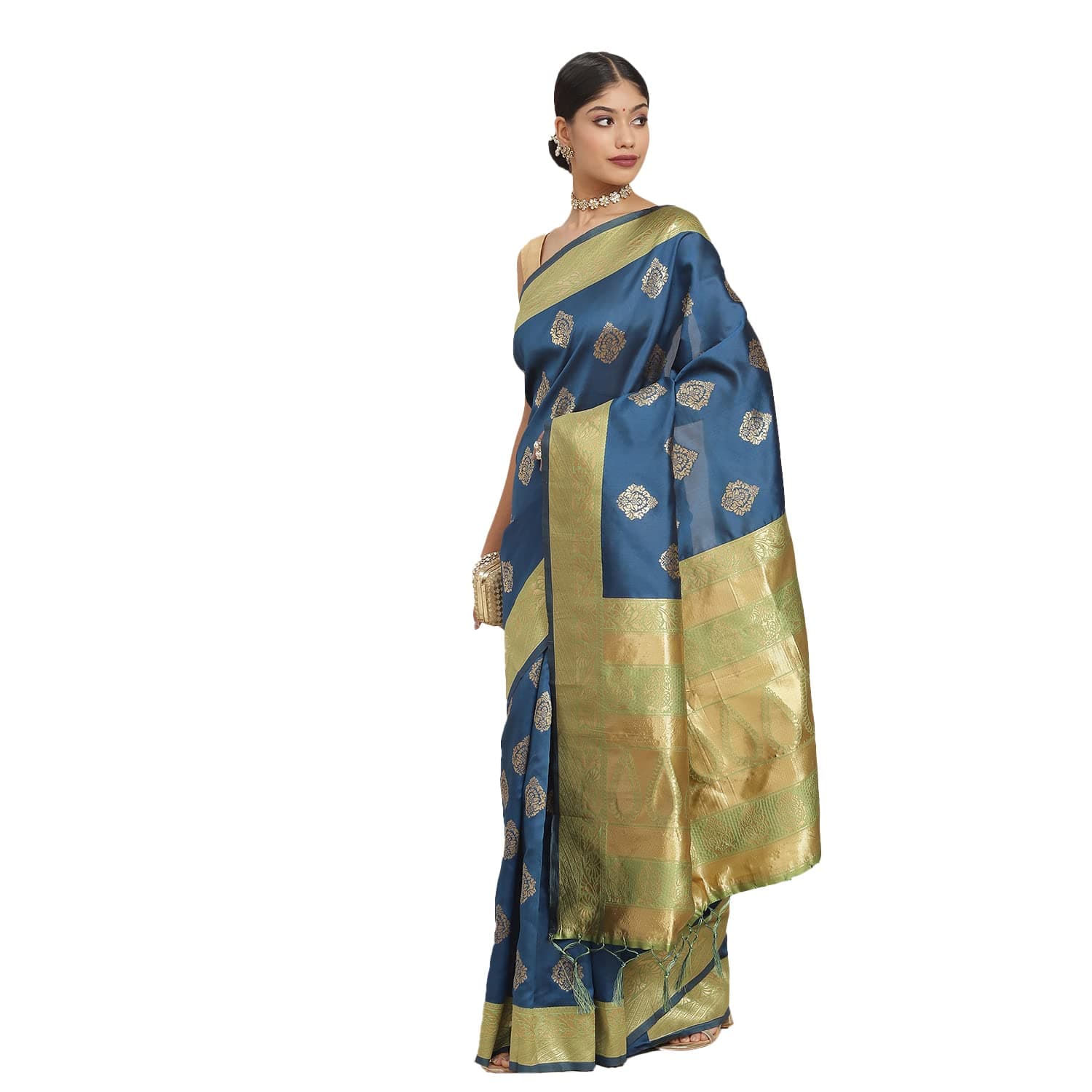
Ishin Women's Silk Blend Teal & Green Woven Design Saree with Blouse
 COD Available
ishin
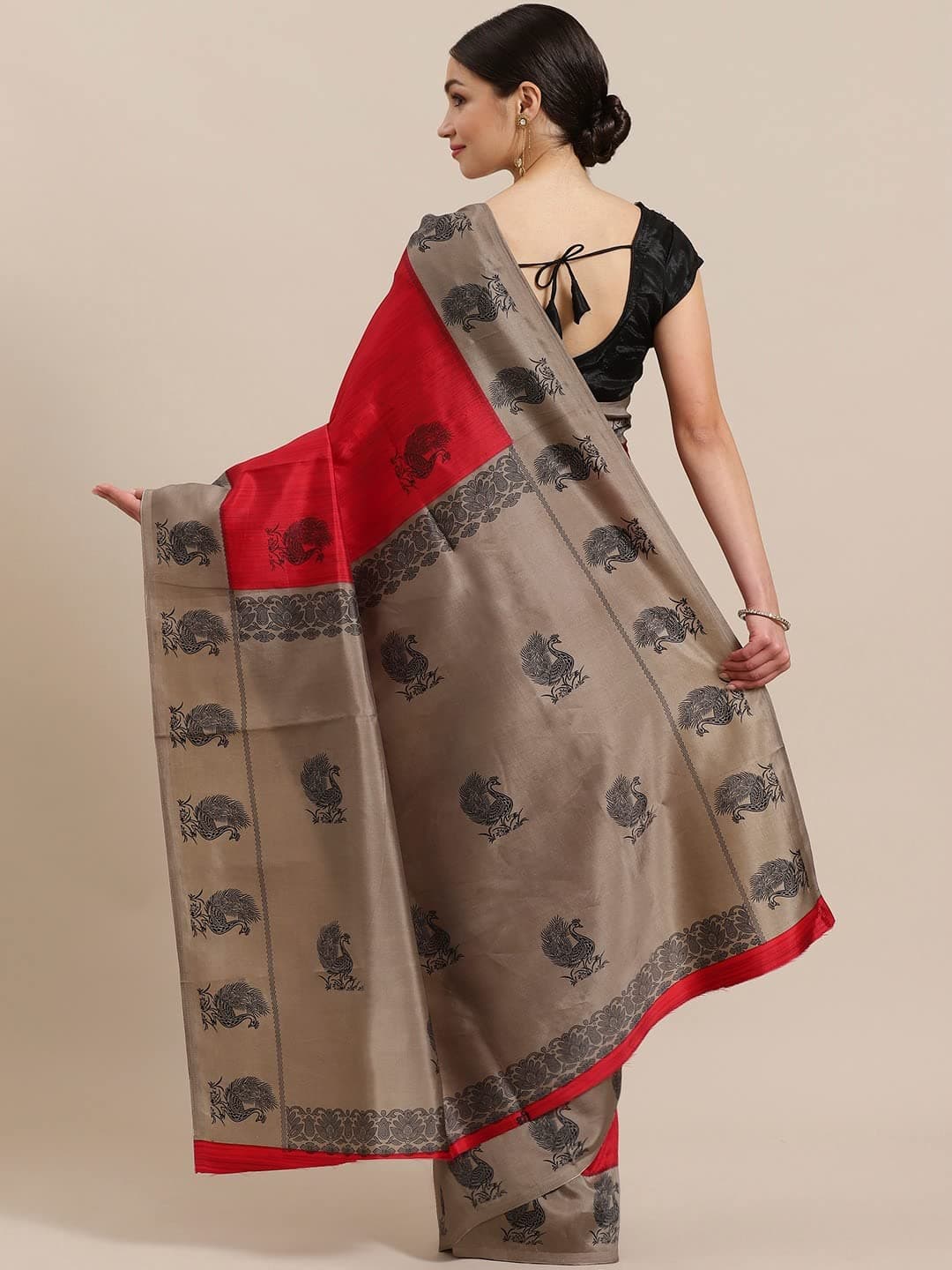
Ishin Women's Art Silk Maroon & Taupe Printed Saree
 COD Available
ishin
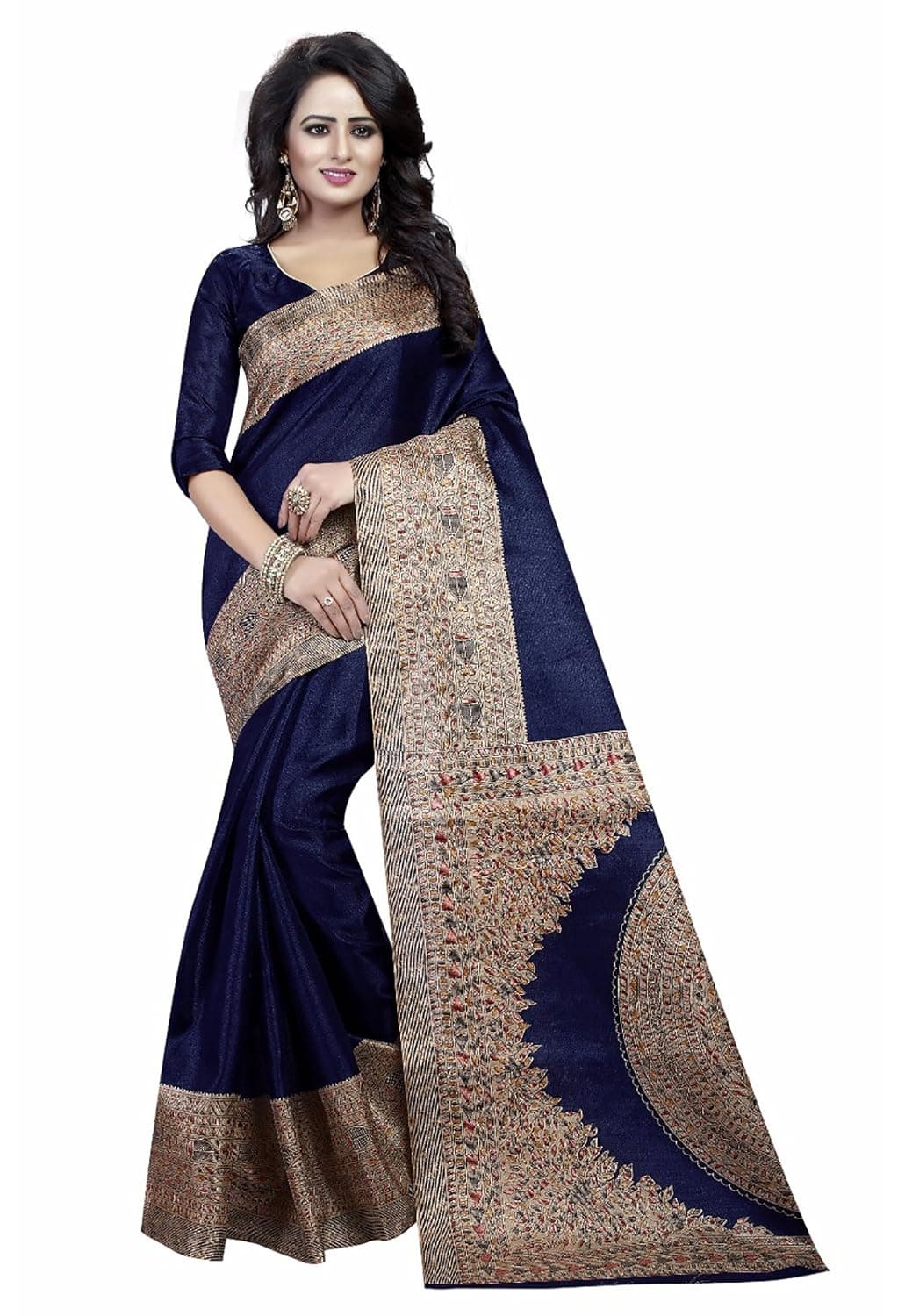
Ishin Women's Art Silk Navy Blue Saree with Blouse Piece
 COD Available
ishin
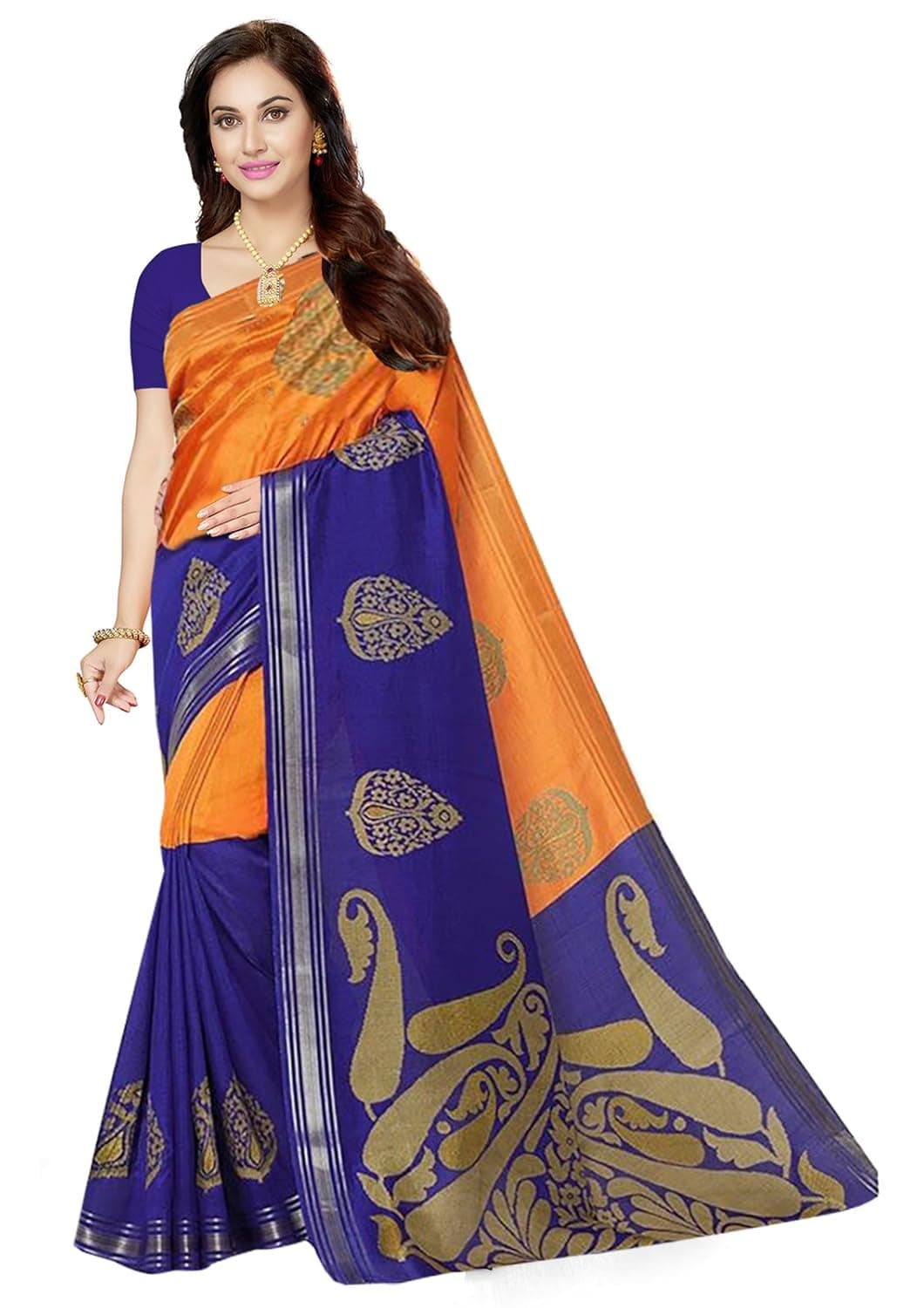
Ishin Women's Art Silk Dark Blue & Orange Saree with Blouse
 COD Available
mimosa
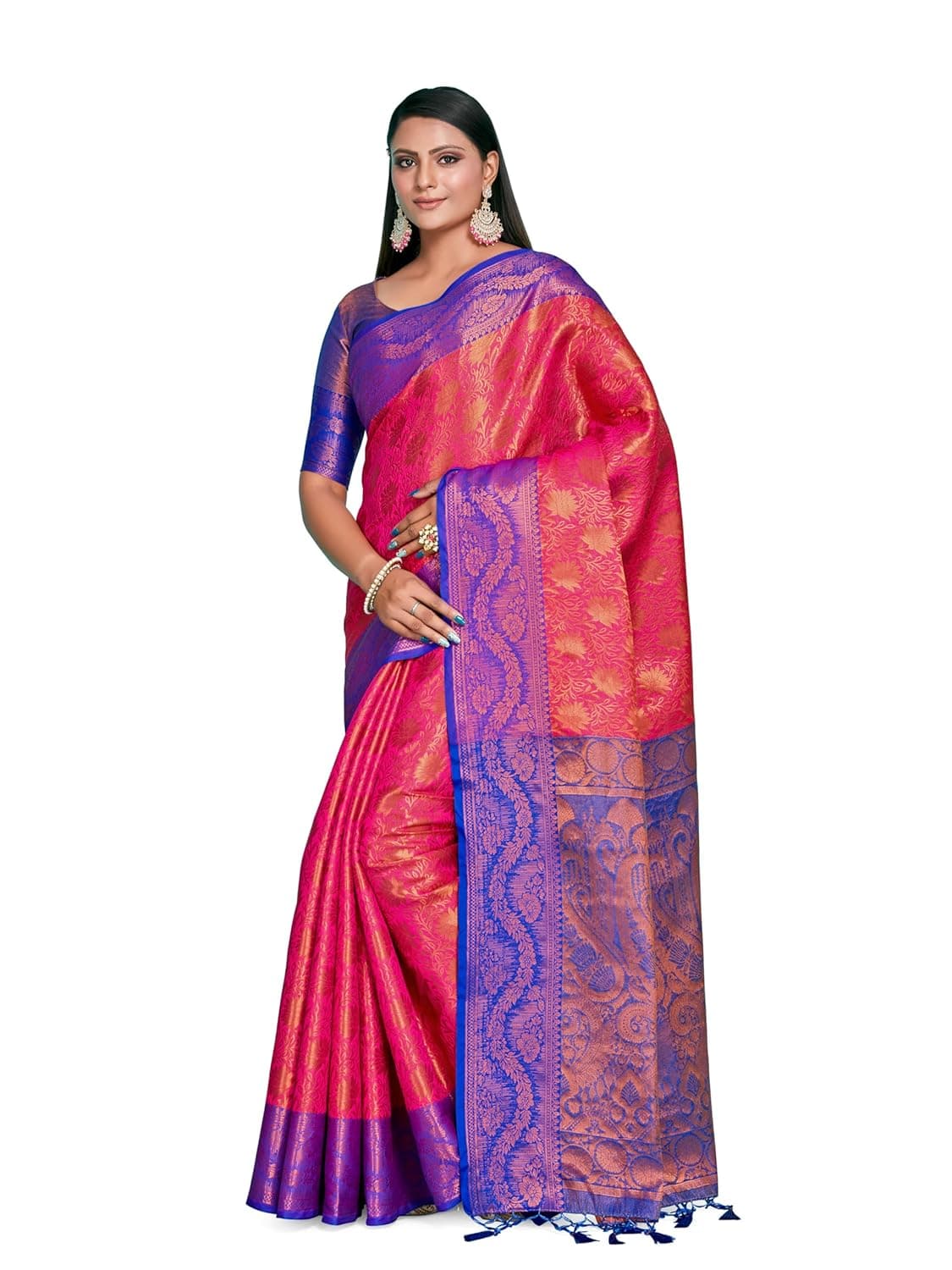
MIMOSA Women's Woven Design Kanjivaram Art Silk Saree Rani
 COD Available
mimosa
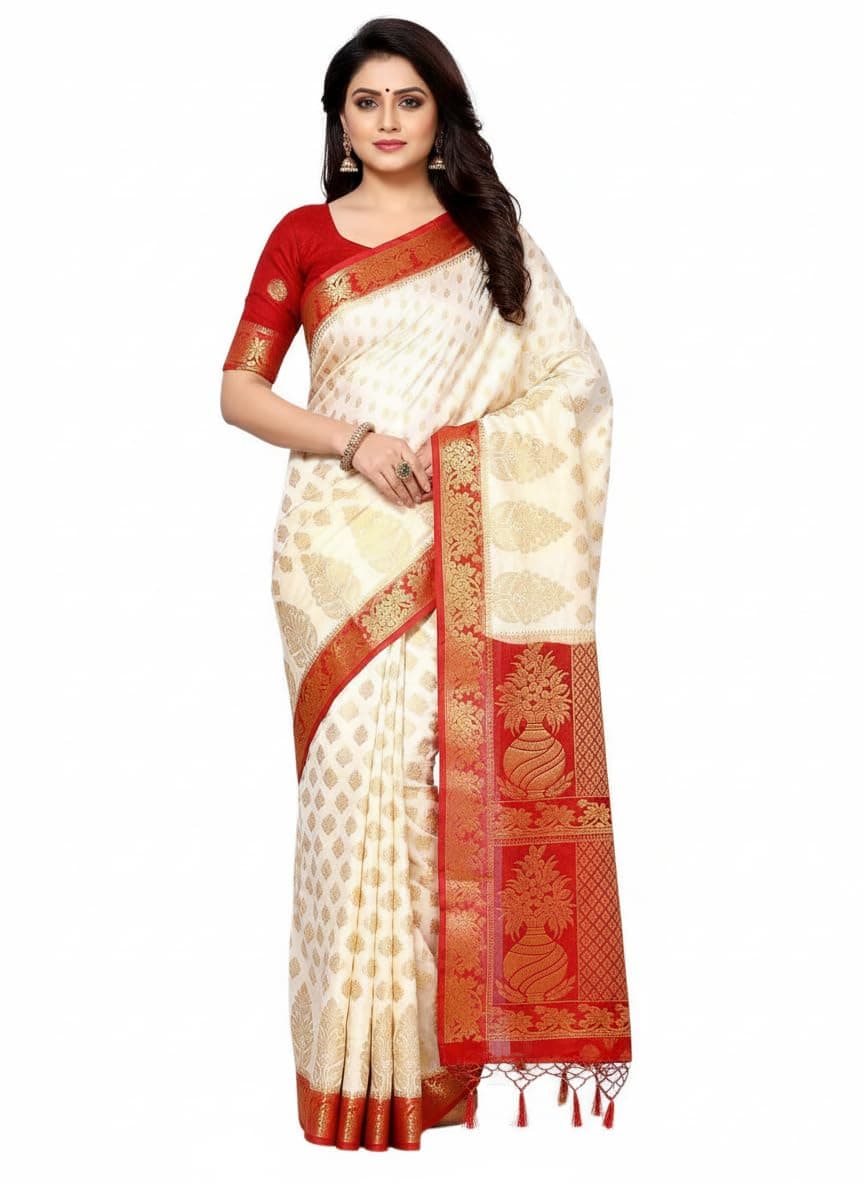
MIMOSA Women's Art Silk Saree Kanjivaram Style Beige
Price Guide
| Tier | Price Range | What You Get |
|---|---|---|
| Budget | Rs 2,000 – Rs 4,500 | Simple single border Kasavu in cotton-silk; Onam and temple occasions |
| Mid-Range | Rs 4,500 – Rs 12,000 | Good quality handloom Kasavu with wider or double border; weddings and major festivals |
| Premium | Rs 12,000 – Rs 30,000+ | Pure silk Kasavu with real zari border; heavy embellishment; bridal quality |
Care & Maintenance
- Dry-clean for pure silk Kasavu or those with heavy real zari border.
- Cotton-silk Kasavu can be gently hand-washed in cool water with mild detergent; the zari border may need special care.
- Never scrub the kasavu border — wash gently by swirling in water; the zari is delicate.
- Iron at medium heat while slightly damp; press the body fabric, not directly on the zari border.
Styling Tips
Traditional Kasavu styling is simple and deeply elegant — the white-and-gold combination needs minimal jewellery. Classic Kerala gold jewellery (Pallakka necklace, Manga mala, Jimikki earrings) in yellow gold is the perfect partner. The traditional Kerala drape, worn without pleats and with the pallu thrown over the shoulder in the 'Mundum Neriyathum' style, is authentically beautiful. For a contemporary look, a white Kasavu with a contrast printed silk blouse and silver jewellery is strikingly modern.
OUR VERDICT
Kasavu is the heartbeat of Kerala's textile culture — it cannot be substituted for Onam and Kerala weddings. Even if you are not from Kerala, a white-gold Kasavu is one of the most elegant sarees possible for any formal or festive Indian occasion. Its purity and restraint is a welcome contrast to the heavy embellishment of most occasion silks.