
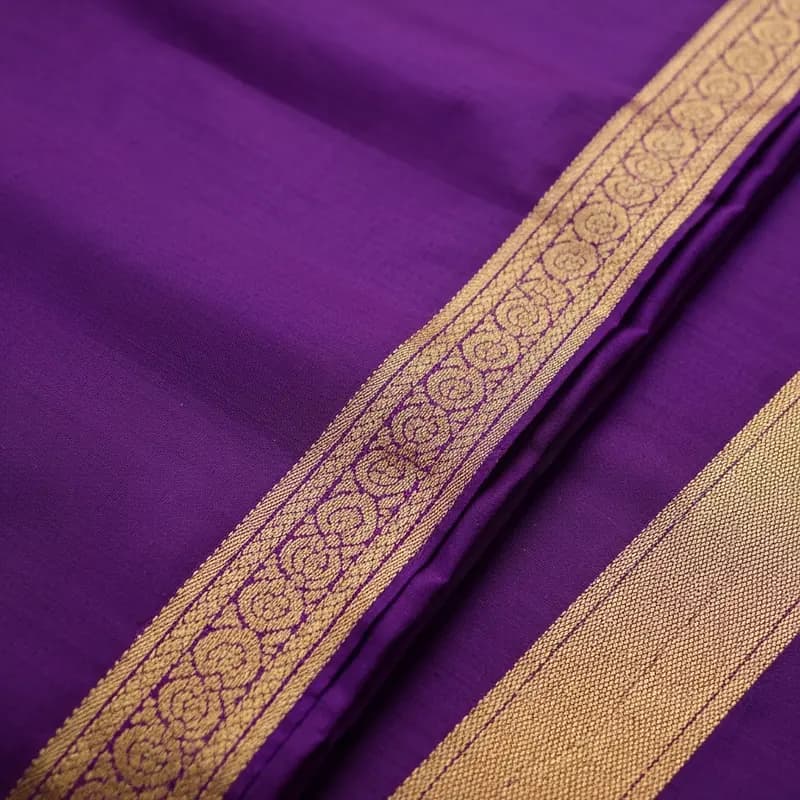
History & Origin
Mysore silk weaving was institutionalised by the Wadiyar kings of the Mysore Kingdom in the early 20th century. Krishnaraja Wadiyar IV established the silk industry as a royal enterprise, and the KSIC (Karnataka Silk Industries Corporation) traces its lineage to this royal patronage. The Mysore region already had a tradition of sericulture, being one of India's largest silk-producing states, making the integration of weaving a natural evolution.
The KSIC today oversees the entire production chain — from silkworm rearing to weaving and dyeing — ensuring consistent quality. Because of this government oversight, Mysore silk maintains remarkable consistency and purity, unlike many handloom silks where quality can vary between weavers. This institutional backing has also made it one of the most trusted silk brands in India.
How to Identify Authentic Mysore Silk
- Look for the KSIC label — genuine Mysore silk sold through official KSIC channels carries a specific label with a unique identification number.
- Feel the texture — Mysore silk has a distinctive crepe-like, slightly pebbly surface different from the flat smoothness of other mulberry silks.
- Check the sheen — Mysore silk has a deep, almost mirror-like lustre that changes colour when viewed from different angles (iridescence).
- Weight test — Mysore silk is notably lighter than Kanchipuram or Banarasi; if a claimed Mysore silk feels heavy, question its authenticity.
- Price sanity check — genuinely pure Mysore silk from KSIC is not cheap. Prices below Rs 3,000 for a 6-metre saree warrant scrutiny.
Types of Mysore Silk
| Type | Weight | Price Range | Best For |
|---|---|---|---|
| Mysore Crepe Silk | Light | Rs 3,000 – Rs 15,000 | Office, daily elegant wear |
| Mysore Georgette Silk | Very Light | Rs 4,000 – Rs 20,000 | Evening events, summer |
| Mysore Satin Silk | Light-Medium | Rs 5,000 – Rs 25,000 | Festive, receptions |
| Mysore Silk with Zari Border | Medium | Rs 8,000 – Rs 50,000 | Weddings, occasions |
Best Brands for Mysore Silk
KSIC is the definitive source for genuine Mysore silk. On Amazon India, look for KSIC-authorised sellers. Brands like Satrani and Mimosa carry Mysore-inspired crepe silk sarees at accessible prices that capture the aesthetic without the KSIC premium.
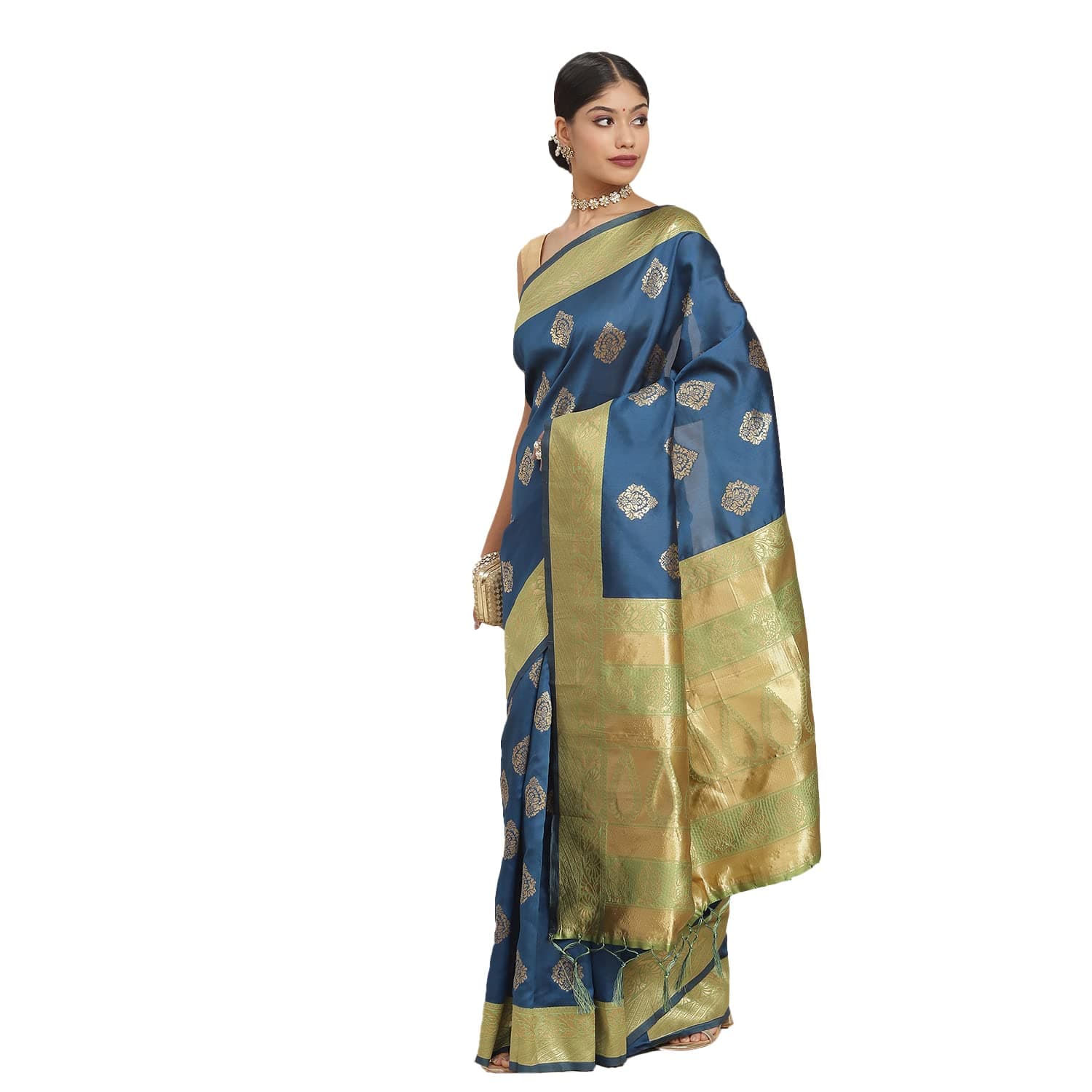 COD Available
ishin
Ishin Women's Silk Blend Teal & Green Woven Design Saree with Blouse
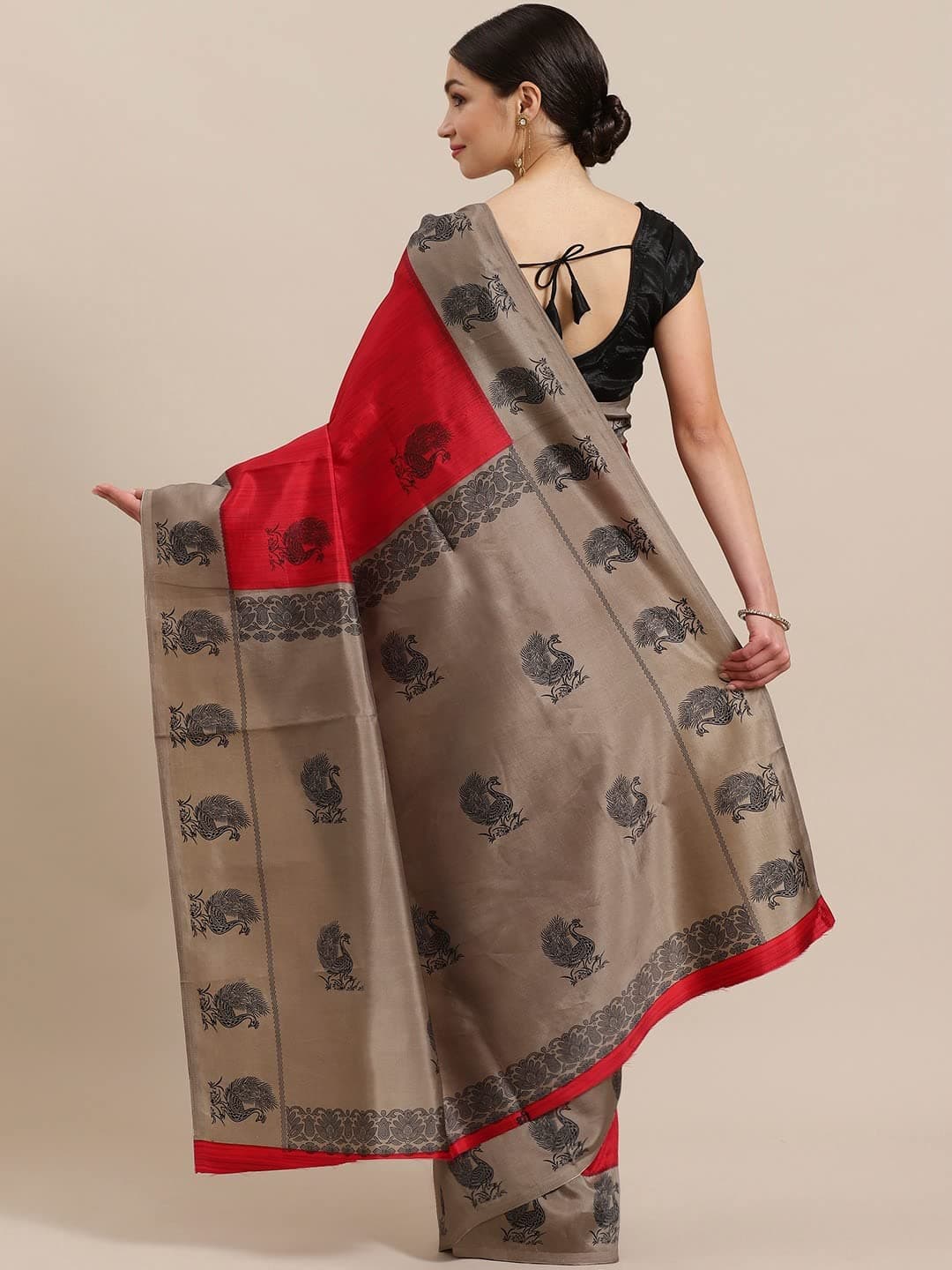 COD Available
ishin
Ishin Women's Art Silk Maroon & Taupe Printed Saree
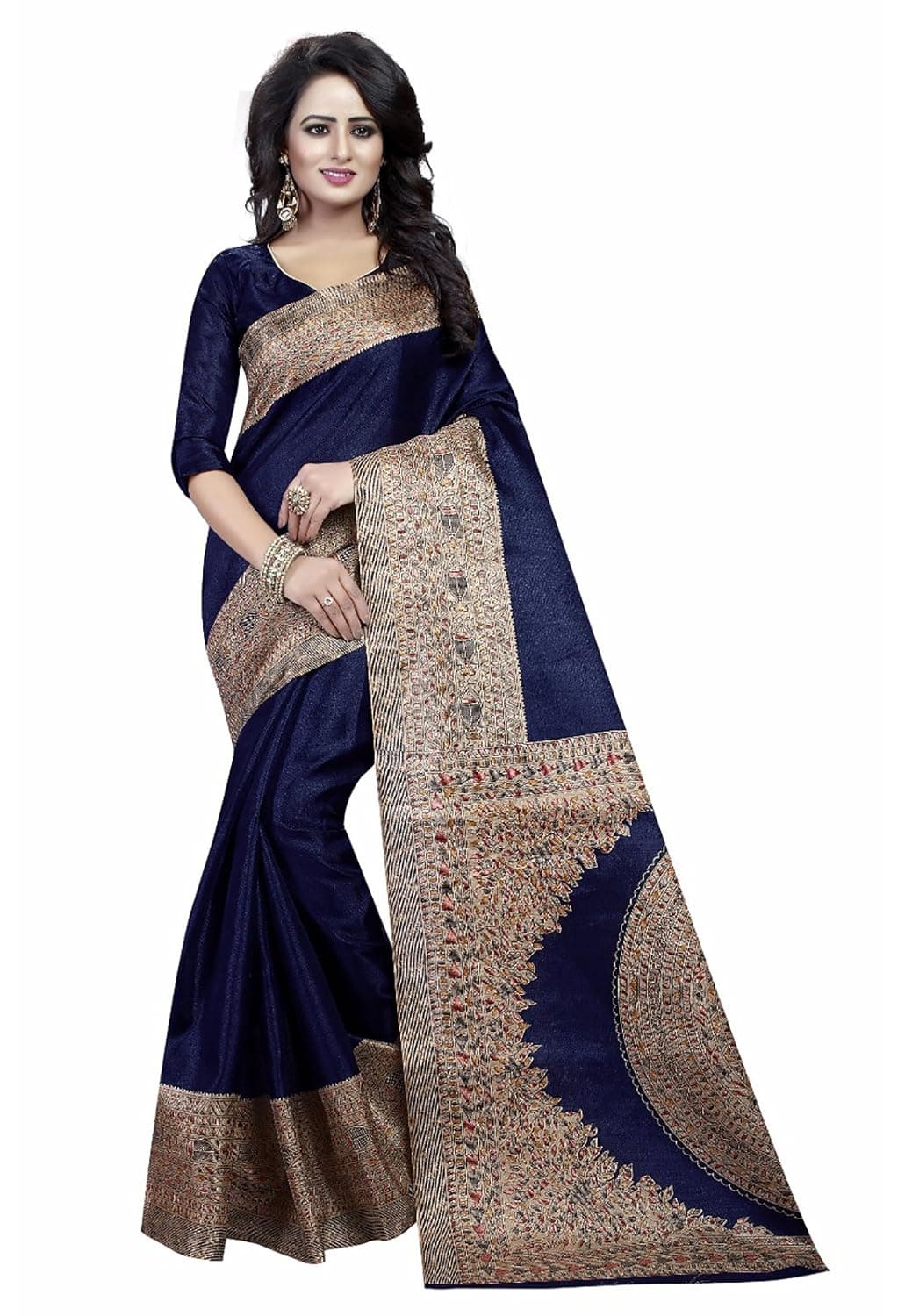 COD Available
ishin
Ishin Women's Art Silk Navy Blue Saree with Blouse Piece
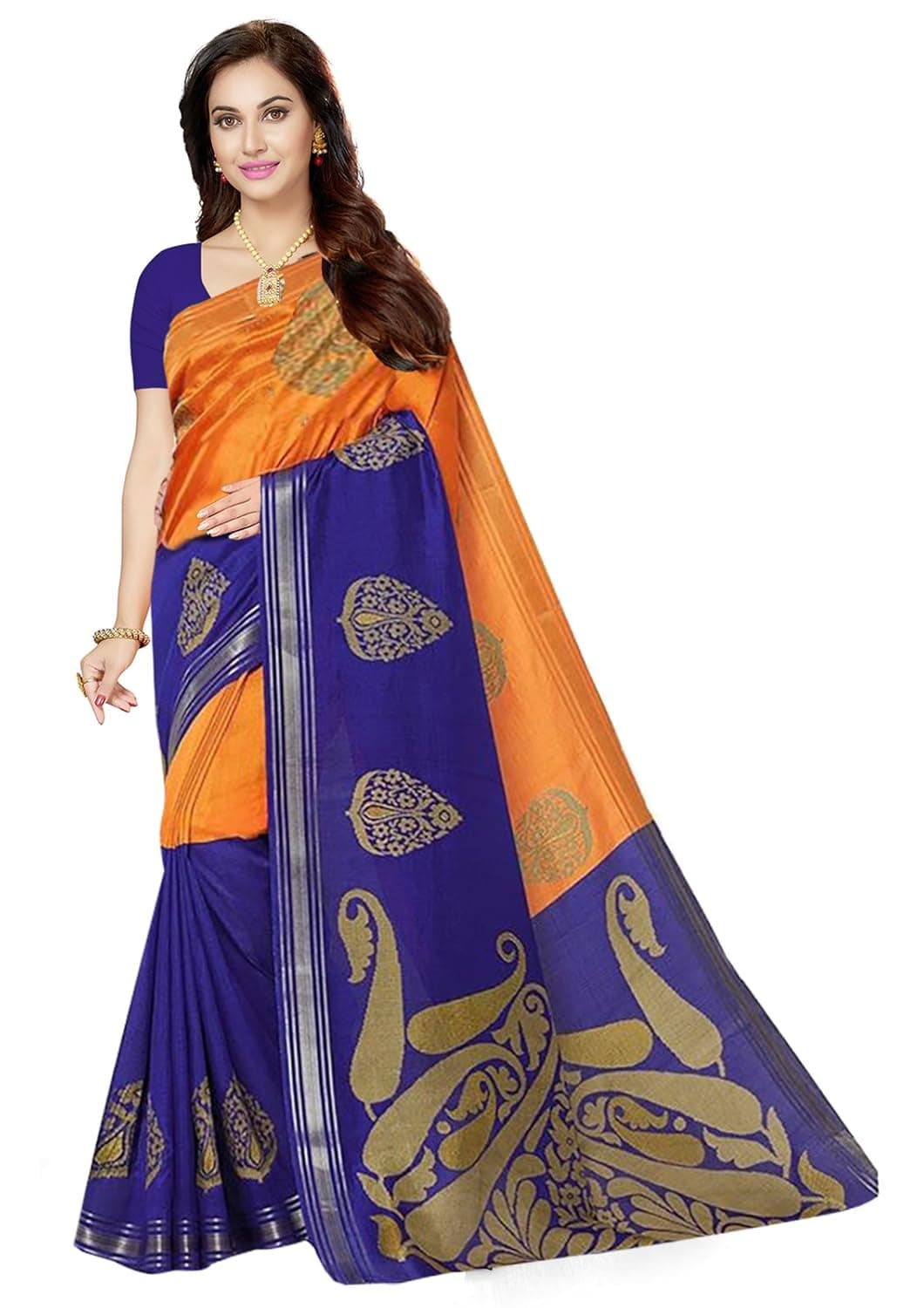 COD Available
ishin
Ishin Women's Art Silk Dark Blue & Orange Saree with Blouse
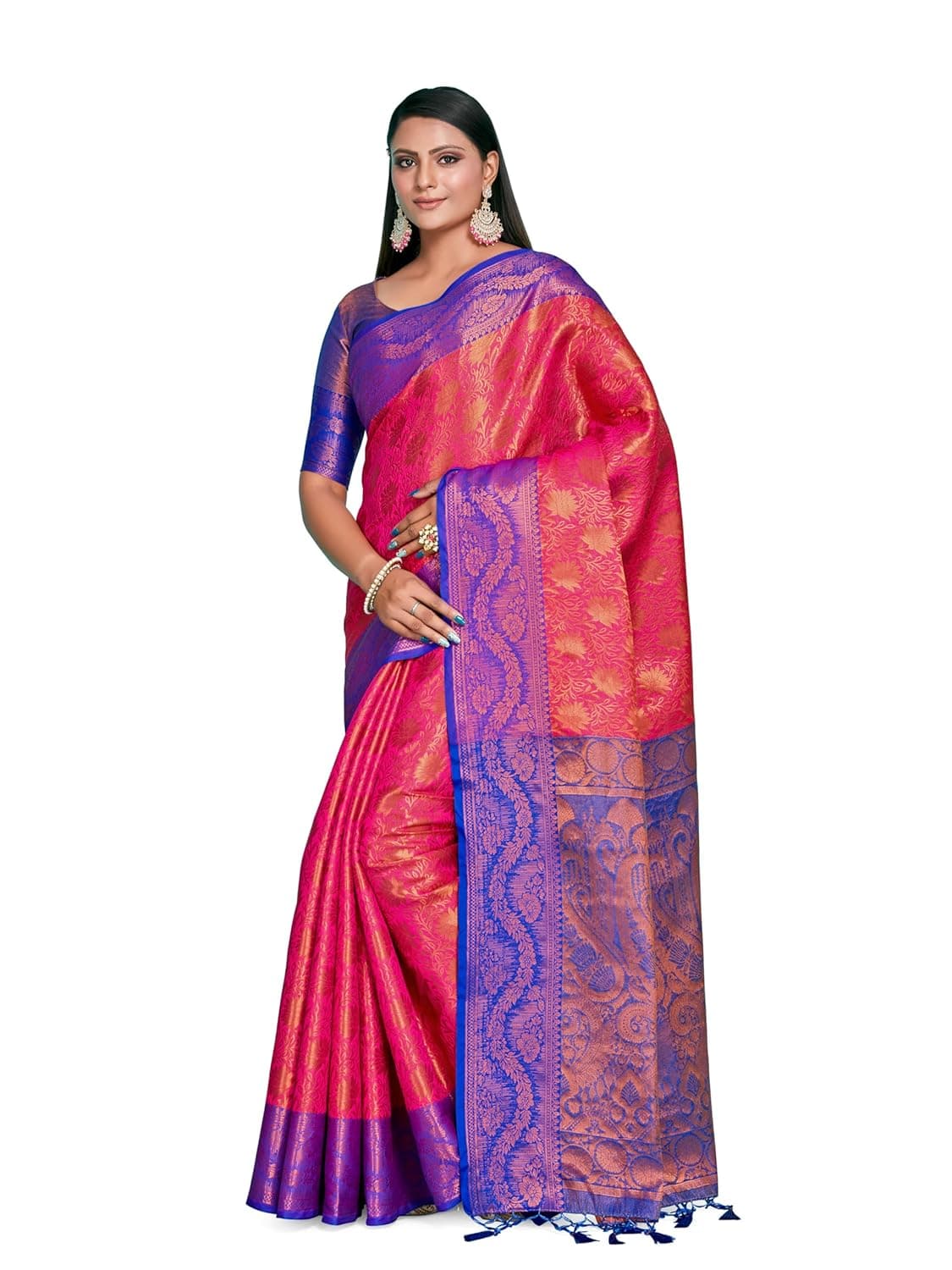 COD Available
mimosa
MIMOSA Women's Woven Design Kanjivaram Art Silk Saree Rani
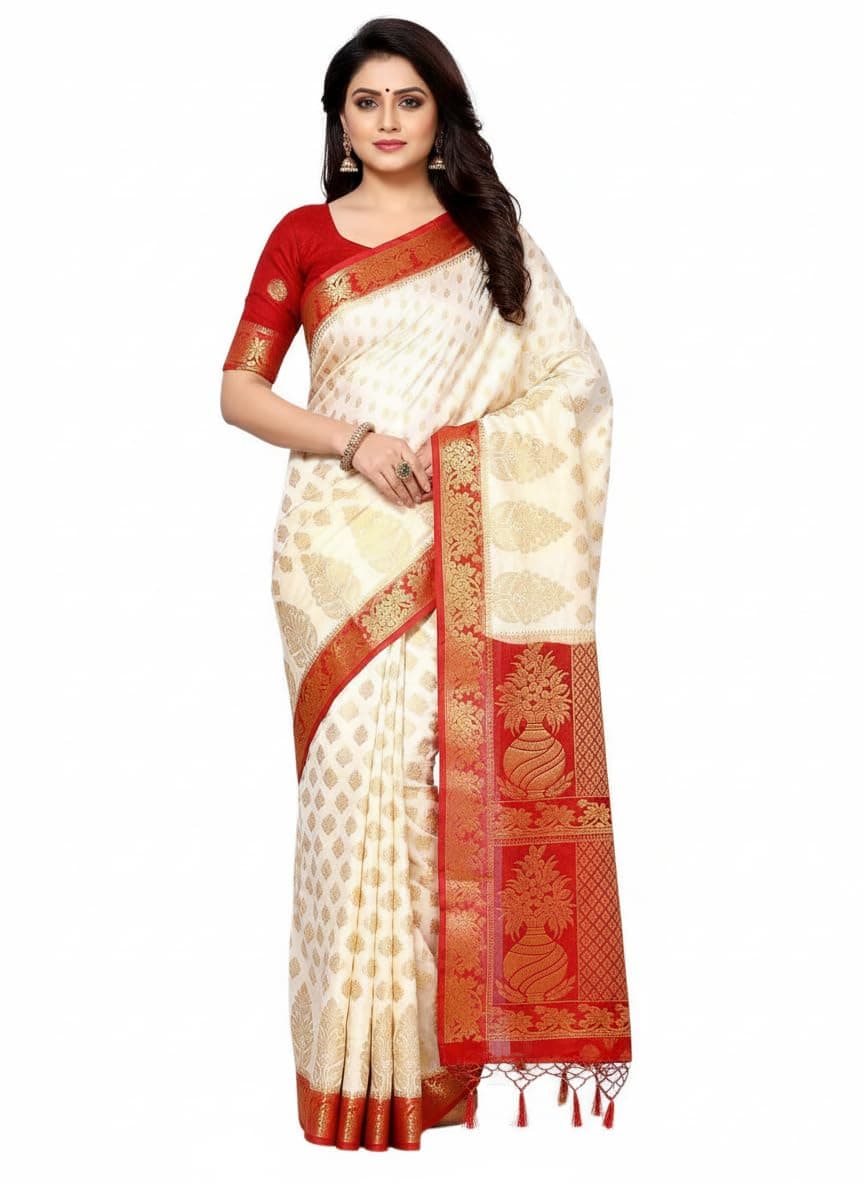 COD Available
mimosa
MIMOSA Women's Art Silk Saree Kanjivaram Style Beige
Price Guide
| Tier | Price Range | What You Get |
|---|---|---|
| Budget | Rs 3,000 – Rs 7,000 | Mysore crepe silk style; good for daily and office wear; may be KSIC or inspired |
| Mid-Range | Rs 7,000 – Rs 20,000 | Certified KSIC Mysore silk with simple or printed border; excellent gift option |
| Premium | Rs 20,000 – Rs 50,000+ | KSIC Mysore silk with real zari border; wedding and occasion pieces |
Care & Maintenance
- Dry-clean is recommended; plain Mysore crepe can be carefully hand-washed in cool water with a pH-neutral detergent.
- Never wring or twist — gently squeeze water out and dry flat on a clean cotton towel in the shade.
- Iron at low to medium heat while slightly damp; use a pressing cloth to protect the lustre.
- Store in muslin cloth in a cool, dry place; the light weight means it takes up minimal storage space.
Styling Tips
Mysore silk's light weight and brilliant lustre make it one of the most flattering silks to drape — it falls beautifully and moves with grace. Jewel tones like peacock blue, magenta, and emerald are particularly stunning in Mysore silk. For office wear, pair a solid Mysore crepe in a muted jewel tone with a minimal contrast blouse and gold stud earrings. For festive occasions, opt for versions with zari borders and style with temple jewellery.
OUR VERDICT
Mysore silk fills the gap between heavy occasion silks and casual cottons perfectly — it is luxurious enough for weddings as a guest, yet light enough for office wear. The KSIC quality guarantee makes it one of the safest silk purchases you can make in India.