
History & Origin
Mangalagiri has been a weaving centre for over 400 years, its origins tied to the nearby Lakshmi Narasimha temple that brought pilgrims and patronage to the town. The weavers — predominantly from the Padmasali community — traditionally offered the finest sarees as temple offerings, which is why gold zari borders became a defining feature. The Nizam court of Hyderabad was an important patron of Mangalagiri fabric through the 18th and 19th centuries.
Mangalagiri received its Geographical Indication certification in 2009, recognising both the geographic specificity of production and the distinctive weaving technique. Today the town has approximately 5,000 active handloom weavers, and the fabric is sold across India as a reliable, affordable handloom cotton. Mangalagiri is particularly known for its yarn-dyed cotton that holds colour brilliantly even after repeated washing.
How to Identify Authentic Mangalagiri
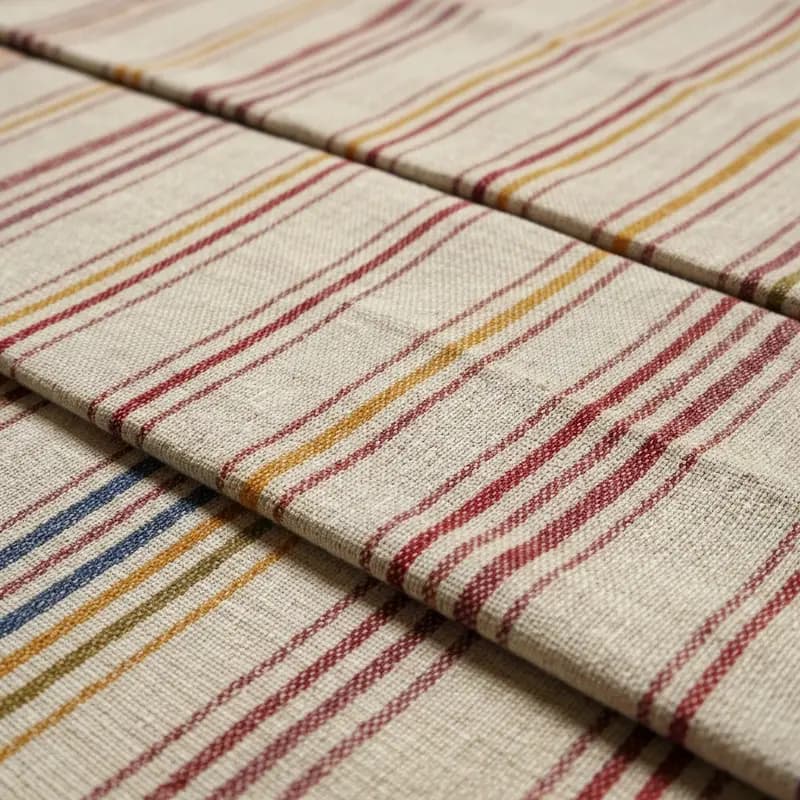
- Nizam check body — authentic Mangalagiri has a characteristic self-check or stripe woven into the body fabric, not printed
- Zari border integration — the gold/silver zari border is woven directly into the fabric edge, not a separate strip attached later
- Cotton feel — the fabric feels slightly rough but airy; synthetic 'Mangalagiri-look' fabric feels smooth and cool
- Colour vibrancy — Mangalagiri uses pre-dyed yarn (yarn-dyed), so colours are bold and penetrate the full thread depth; surface-dyed imitations fade faster
- GI tag — look for the official GI label; Andhra Pradesh Handloom Weaving Cooperative Society certifies authentic pieces
Types & Varieties
| Type | Characteristic | Price Range | Best For |
|---|---|---|---|
| Mangalagiri saree | Full 6m saree with zari border, traditional drape | Rs 800–4,000 | Daily wear, temple visits, office |
| Mangalagiri dress material | Salwar suit fabric set (top + bottom + dupatta) | Rs 500–2,500 | Office, casual festive, college |
| Mangalagiri kurta fabric | Solid or check cotton for kurtis | Rs 200–600/m | Tailored kurtis, tops |
| Mangalagiri dupatta | Cotton dupatta with classic borders | Rs 300–800 | Layering over plain suits |
Best Brands
Andhra Pradesh State Handloom Weavers Cooperative Society (APCO) stores are the most reliable source for authentic, certified Mangalagiri at regulated prices. Online, Fabindia stocks Mangalagiri dress materials and sarees. For designer Mangalagiri, Gaurang Shah has worked extensively with this fabric, creating extraordinary heavy-zari pieces. Direct weavers on platforms like iHandicraft and Craftsvilla offer authentic Mangalagiri at factory-close pricing.
 COD Available
biba
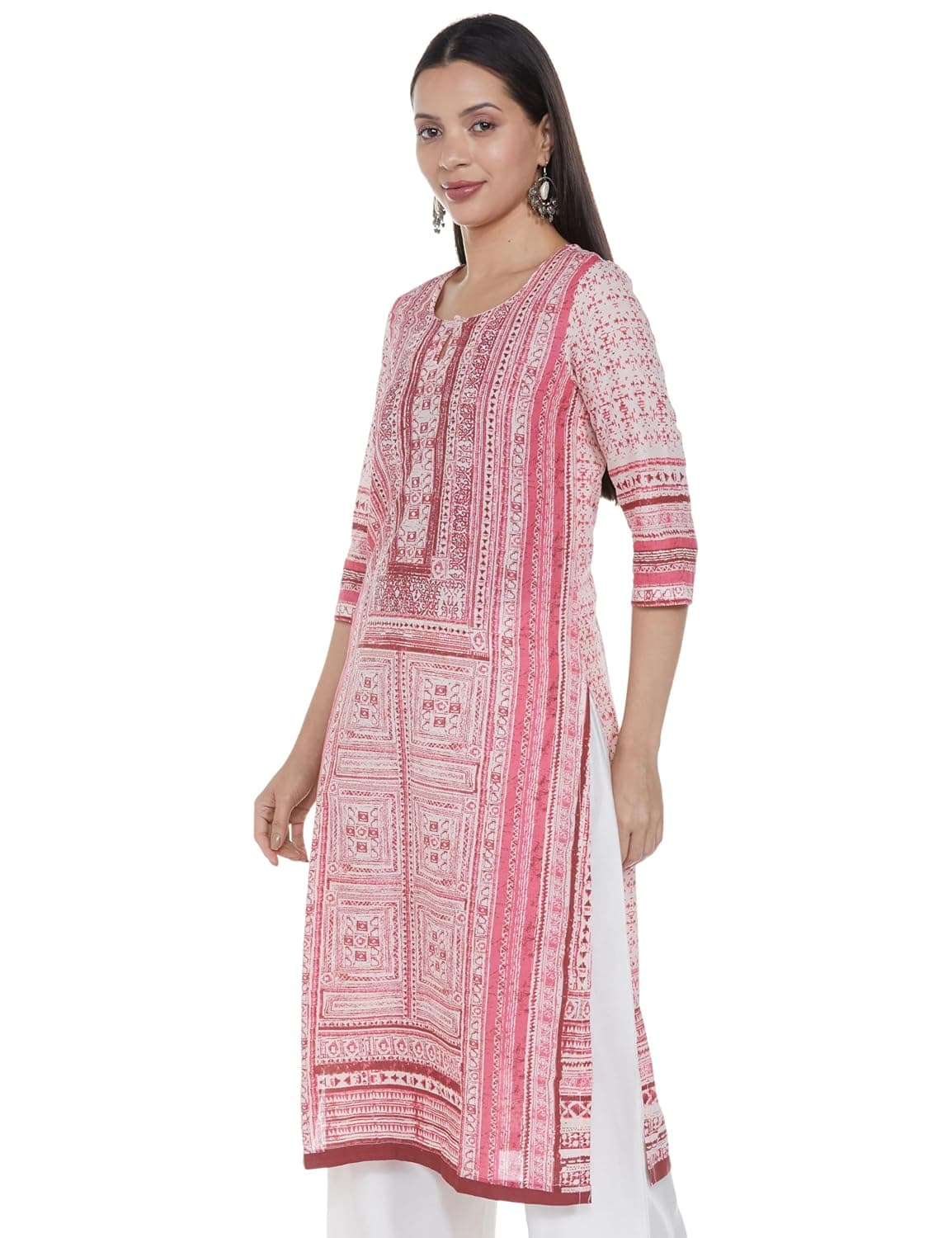
BIBA Women's Cotton Straight Printed Kurta
 COD Available
biba
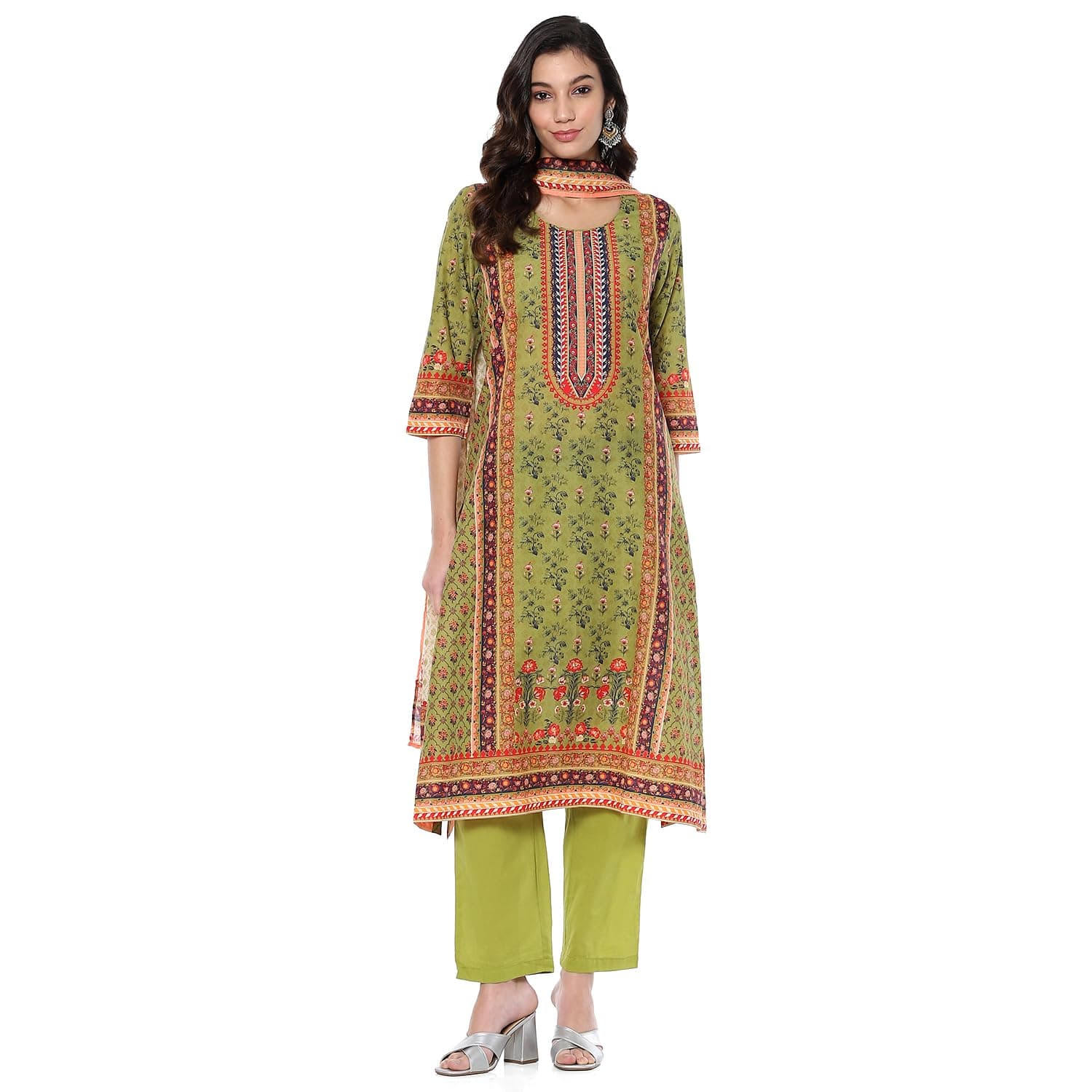
BIBA Women's Cotton Printed Kurta Set with Dupatta
 COD Available
libas
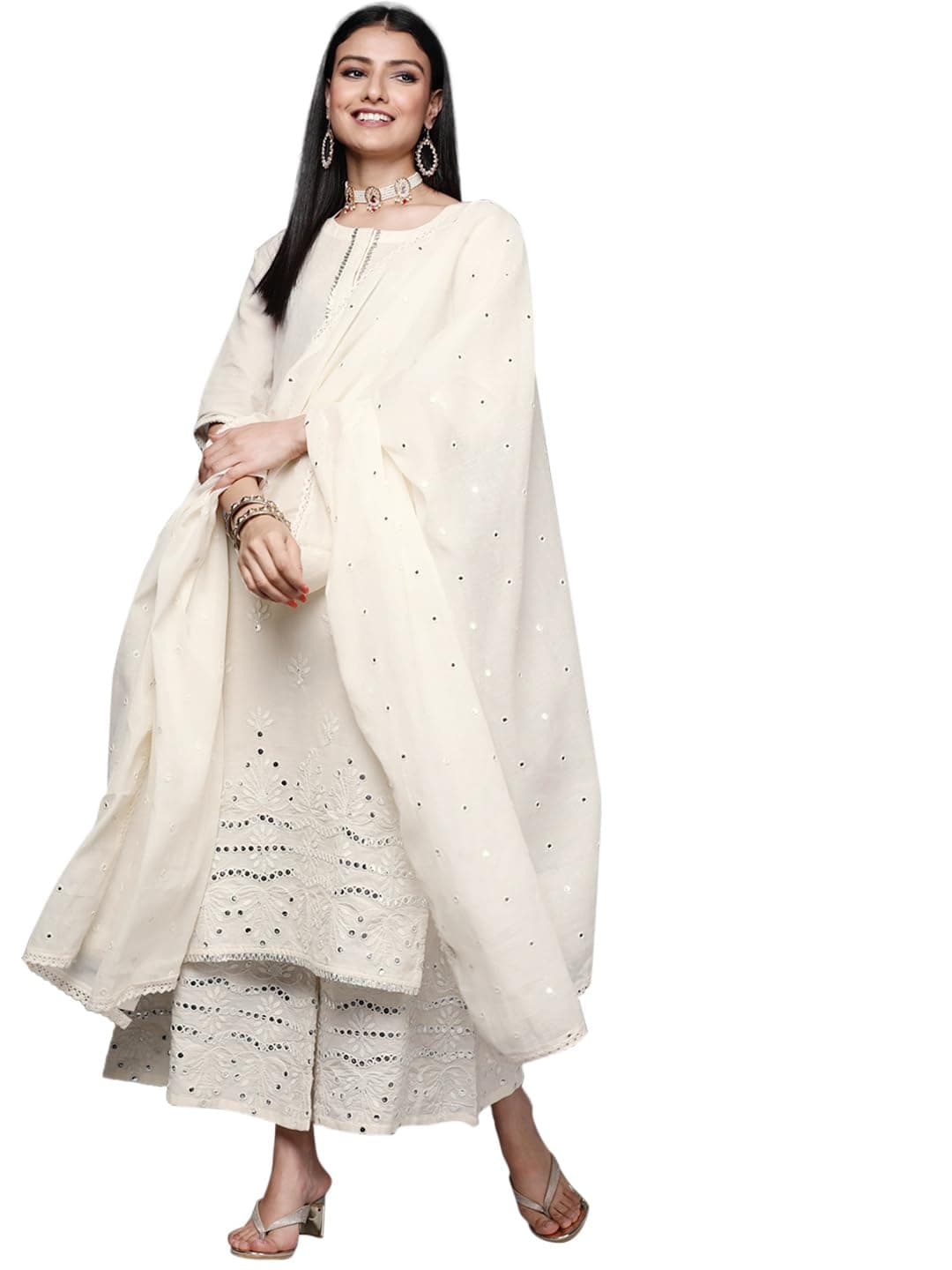
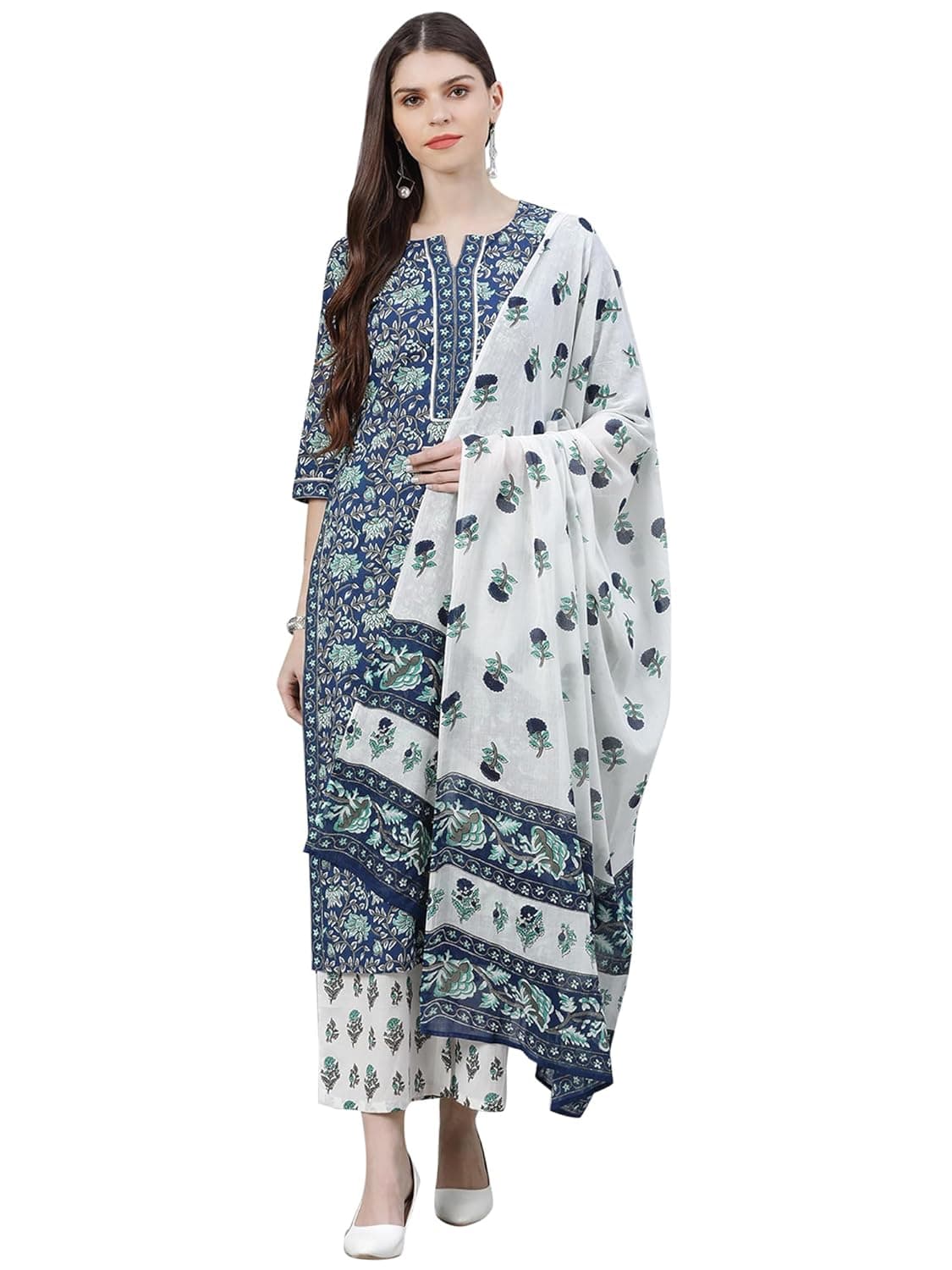
Libas Women's Embroidered Cotton Straight Kurta with Palazzos & Dupatta
 COD Available
libas
Libas Women's Cotton Printed Kurta Set Multicoloured
COD Availablelibas
Libas Printed Silk Blend Round Neck Kurta Pant Set Pink
 COD Available
m.r.p:
Women’s Kurta Set with Dupatta | 3 Piece Kurta Pant Set for Women | Ethnic Printed Kurta Suit | Cotton Blend Traditional Kurta Set | Festive, Casual
Price Guide
| Tier | Price Range | What You Get |
|---|---|---|
| Daily wear | Rs 500–1,200 | Simple Mangalagiri saree or dress material, basic zari border |
| Quality handloom | Rs 1,200–3,500 | Rich zari work, finer cotton, certified cooperative or boutique |
| Designer/festive | Rs 3,500–6,000+ | Heavy gold zari, intricate border, designer label or master weaver |
Care & Maintenance
- Machine wash cold on gentle cycle — yarn-dyed Mangalagiri is colourfast and handles machine washing well
- Wash with similar colours in the first two washes as some dye may release
- Air dry in shade to protect zari from tarnishing — sunlight oxidises gold and silver threads over time
- Iron at medium cotton heat while slightly damp — press from the reverse to protect zari borders
- Fold storing with zari borders inside to prevent friction tarnish on the metallic threads
Styling Tips
Mangalagiri's bold colours and graphic borders make it naturally statement-making. Pair a Mangalagiri kurta in a solid jewel tone with a contrasting plain cotton or khadi bottom — the border detail at the kurta hem creates a natural focal point. As a saree, the gold zari border and check body provide enough visual richness that minimal jewellery works best. A simple gold earring and thin bangles — the Mangalagiri saree does the rest.
OUR VERDICT
Mangalagiri is the working wardrobe hero of South Indian ethnic dressing — colourfast, comfortable, authentic, and at a price point that makes it genuinely accessible. The combination of everyday cotton comfort with the dignity of a zari border is something few fabrics achieve. If you haven't explored Mangalagiri for office wear, start with a dress material set — it converts many.