
History & Origin
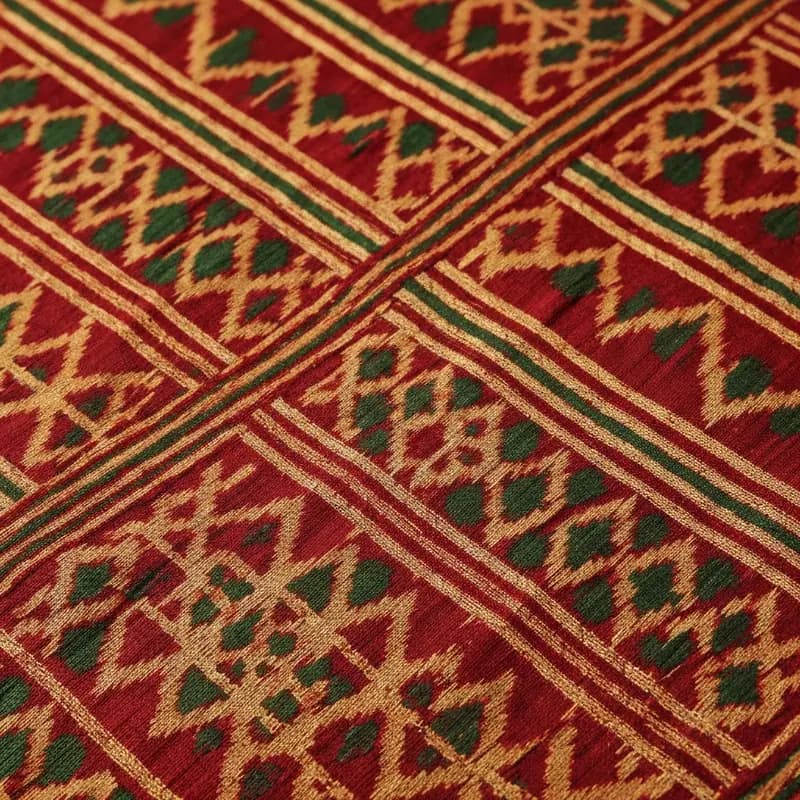
Patola weaving in Patan dates back at least 900 years and was historically commissioned by Gujarati royalty, merchants, and later by the Mughal court. The Salvi weavers who make Patola are believed to have migrated from Jalna in Maharashtra to Patan over a millennium ago. At one point, over 700 Salvi families produced Patola in Patan; today only three families carry the tradition of double ikat Patola, making it one of India's most endangered craft forms.
Historically, Patola sarees were highly prized in Southeast Asian trade — they were used as currency in Bali, Borneo, and Indonesia, and were considered sacred in many island cultures. A single Patola saree took months to produce and commanded prices equivalent to gold. This historical prestige explains why even today, genuine Patan Patola commands prices that can exceed a luxury car.
How to Identify Authentic Patola Silk
- Reversibility — a genuine double ikat Patola looks identical on both sides. This is physically impossible to fake; single ikat and printed imitations always have a clearly defined 'right side' and 'wrong side.'
- Price — genuine Patan Patola starts at Rs 50,000 and typically costs several lakhs. Any 'Patola' under Rs 10,000 is a single ikat or printed imitation.
- Source — contact the three Salvi families of Patan directly (Roopali Patola House is the most accessible) or buy from curated heritage textile dealers.
- GI certification — genuine Patan Patola carries a GI certificate; ask for it specifically.
- Examine the edges — in genuine double ikat, the geometric patterns are sharp and crisp to the very edge of the fabric with no bleeding or blurring.
Types of Patola Silk
| Type | Weight | Price Range | Best For |
|---|---|---|---|
| Patan Patola (Double Ikat) | Medium | Rs 50,000 – Rs 10,00,000 | Collectors, heirlooms, serious investment |
| Rajkot Patola (Single Ikat) | Medium | Rs 5,000 – Rs 25,000 | Weddings, festive, everyday special |
| Patola Print (Machine) | Light-Medium | Rs 800 – Rs 5,000 | Casual, fashion wear |
| Patola Dupatta | Light | Rs 2,000 – Rs 15,000 | Festive styling, gifting |
Best Brands for Patola Silk
For genuine Patan Patola, the Salvi family workshops are the only authentic source. For Rajkot single ikat Patola, Amazon has several Gujarat-based sellers with good quality pieces. Satrani and Mimosa carry Patola-inspired prints and affordable single ikat options for everyday budgets.
 COD Available
ishin
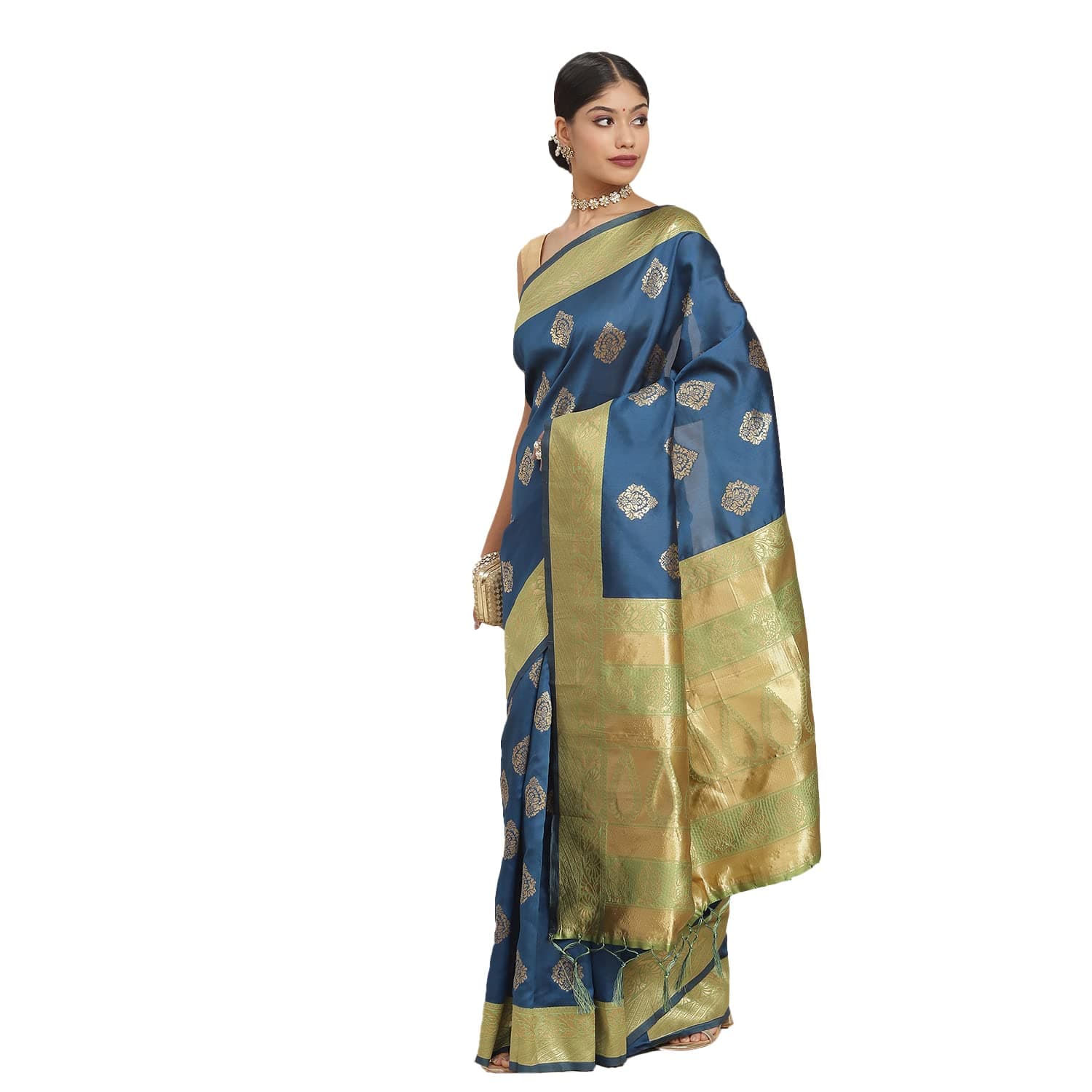
Ishin Women's Silk Blend Teal & Green Woven Design Saree with Blouse
 COD Available
ishin
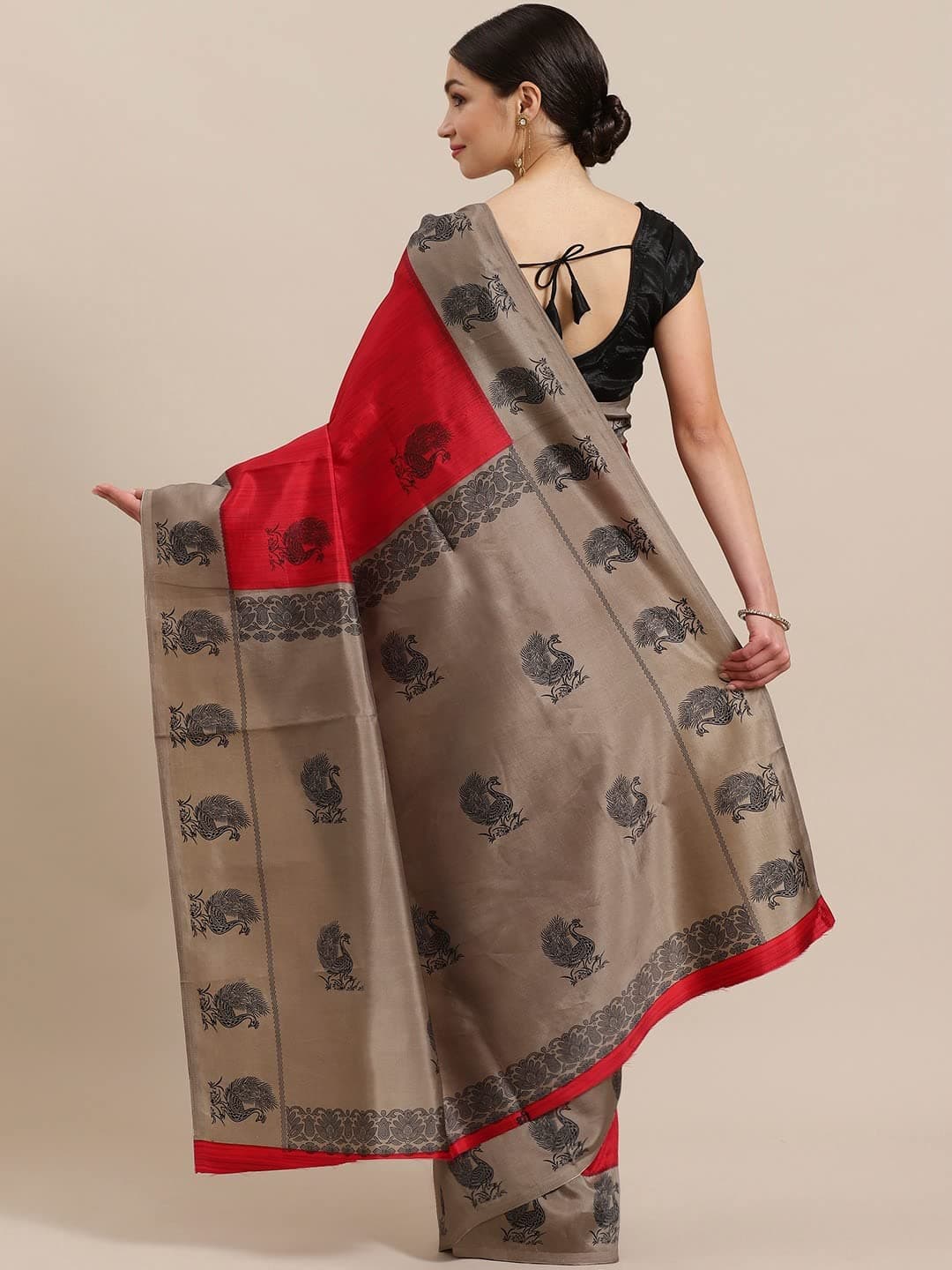
Ishin Women's Art Silk Maroon & Taupe Printed Saree
 COD Available
ishin
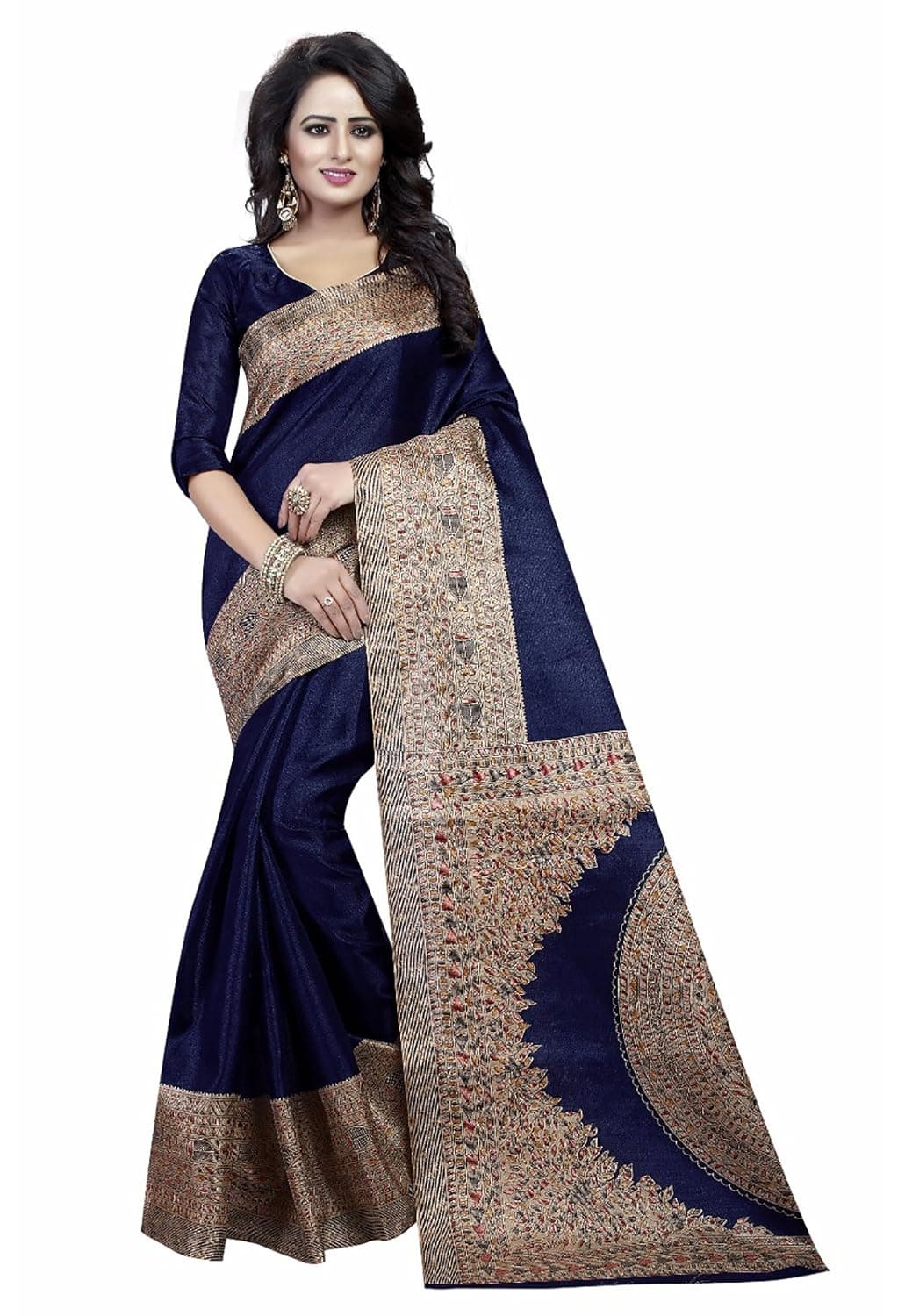
Ishin Women's Art Silk Navy Blue Saree with Blouse Piece
 COD Available
ishin
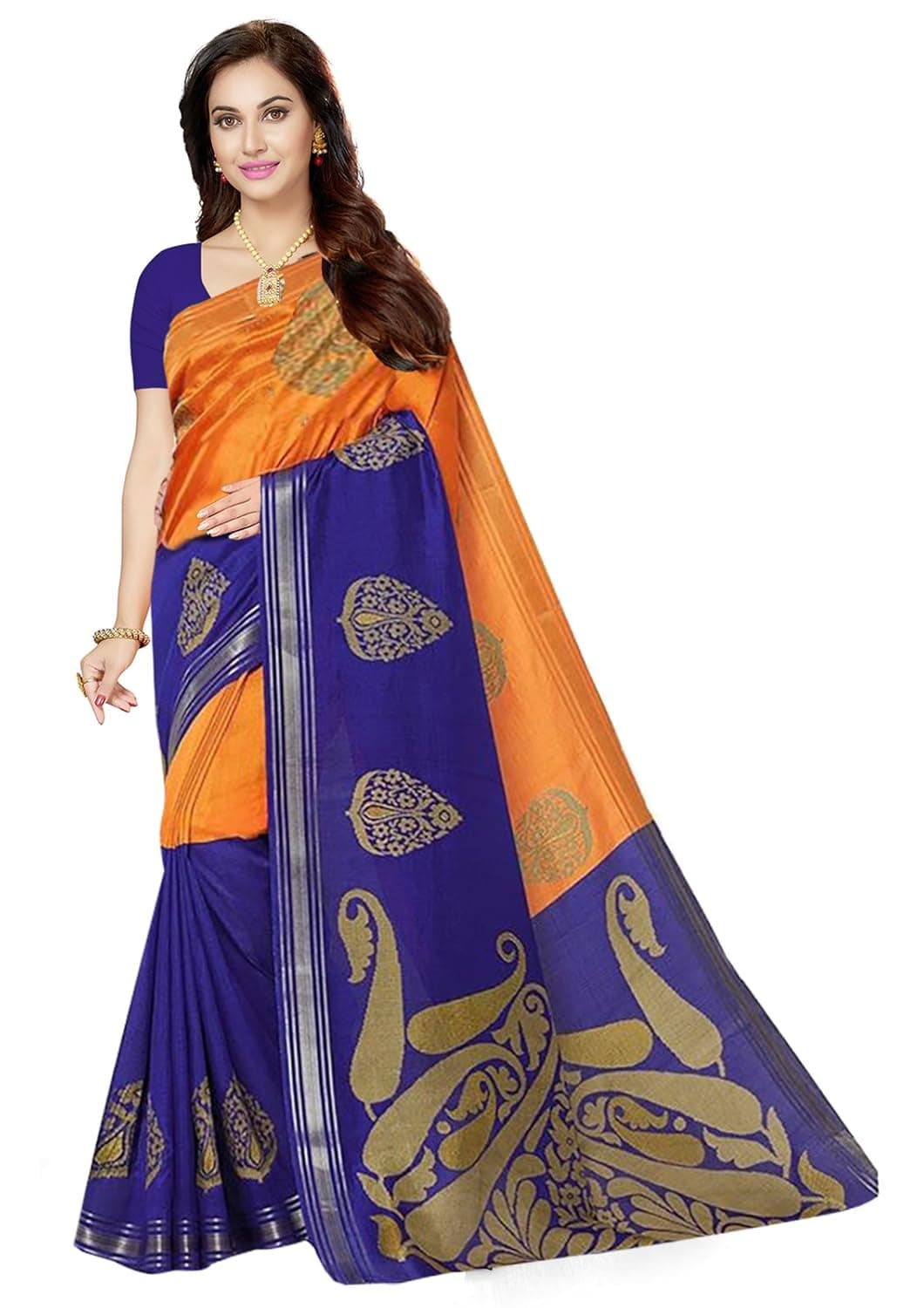
Ishin Women's Art Silk Dark Blue & Orange Saree with Blouse
 COD Available
mimosa
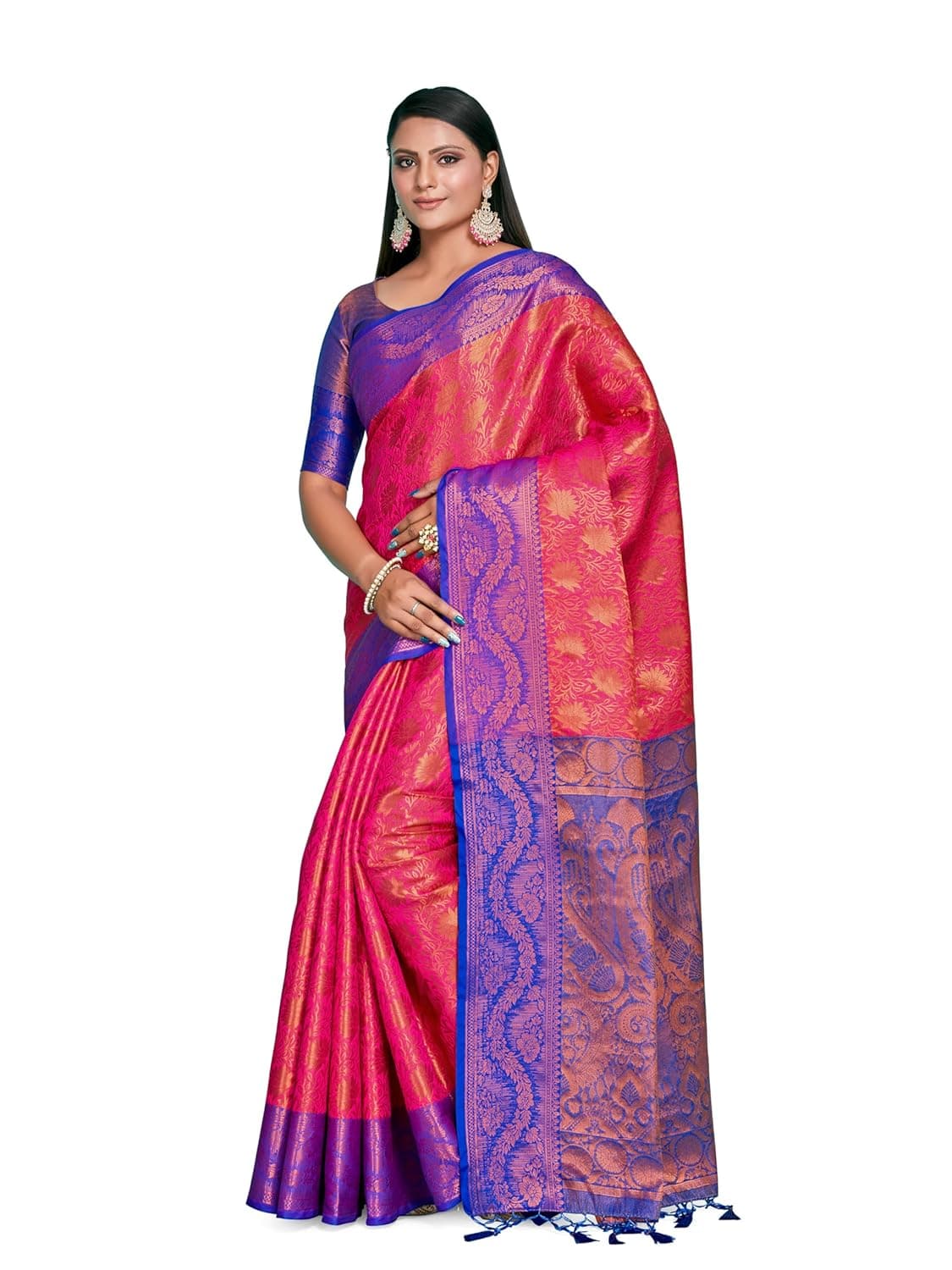
MIMOSA Women's Woven Design Kanjivaram Art Silk Saree Rani
 COD Available
mimosa
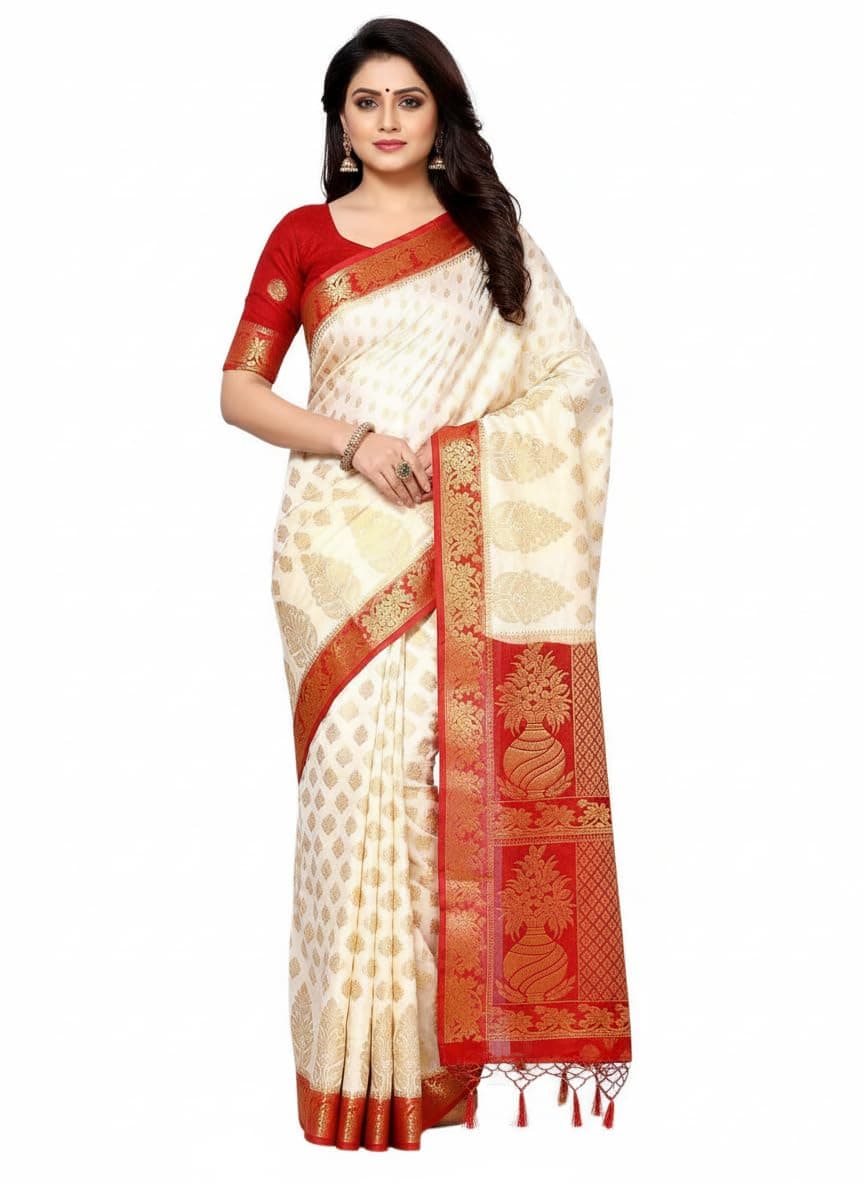
MIMOSA Women's Art Silk Saree Kanjivaram Style Beige
Price Guide
| Tier | Price Range | What You Get |
|---|---|---|
| Budget | Rs 800 – Rs 5,000 | Patola print sarees (machine-made); great for casual wear and introducing the aesthetic |
| Mid-Range | Rs 5,000 – Rs 25,000 | Rajkot single ikat Patola; genuinely handcrafted, beautiful for weddings and occasions |
| Premium | Rs 50,000 – Rs 10,00,000+ | Authentic Patan double ikat Patola; investment piece, textile museum quality |
Care & Maintenance
- Dry-clean only for both Patan and Rajkot Patola — the natural dyes and silk need professional handling.
- Store flat or loosely rolled in muslin cloth; avoid tight folding which can crease the geometric patterns.
- Keep away from direct sunlight and artificial light for extended periods — natural dyes in Patan Patola are precious and can fade.
- Handle with clean, dry hands; the natural dyes can transfer slightly when wet, especially in the early washes.
Styling Tips
Patola's bold geometric patterns are a statement on their own — keep accessories minimal and let the saree speak. Gold jewellery in traditional Gujarati style (Kundan, Meenakari) complements the geometric richness. For a modern pairing, a single ikat Patola with a plain silk blouse and small gold earrings is stunning. The geometric patterns also pair beautifully with contemporary silver jewellery for a fusion look.
OUR VERDICT
Patan Patola is not just a saree — it is one of humanity's greatest textile achievements. If you can invest at any tier, do. For most budgets, Rajkot single ikat Patola offers genuine craft beauty at accessible prices. Avoid dismissing Patola-print sarees entirely — they are a gateway into appreciating this extraordinary art form.