
History & Origin
Pochampally is a village in the Yadadri Bhuvanagiri district of Telangana, about 50 km from Hyderabad. Weaving here has a history of several centuries, but the ikat technique — called 'Chitta' or 'Pagdubandhu' locally — developed into its distinctive geometric form through Nizam-era patronage and later government support post-independence. The Bhoodan movement of the 1950s brought additional institutional support to Pochampally weavers, giving the village its alternative name.
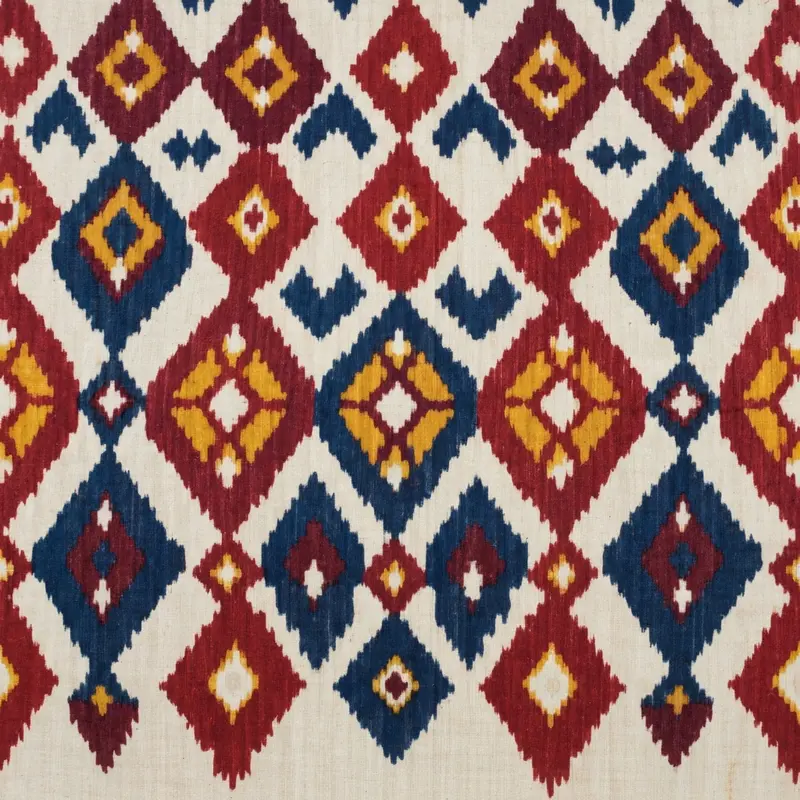
Pochampally ikat is distinct from Patan Patola in that it primarily uses single ikat (warp ikat), though double ikat variants exist. The geometric patterns — diamonds, chevrons, waves, and angular florals — are created by the controlled blurring at yarn intersections, creating that signature 'fuzzy edge' look that is both a feature and an authenticity marker. Pochampally designs have become so iconic that they have been adopted by international fashion designers as a recognisable Indian textile signature.
How to Identify Authentic Pochampally Ikat
- Characteristic 'feathered edge' — authentic ikat has a slightly blurred, feathered edge to the geometric patterns rather than a crisp printed line. This blurring is caused by the resist-dye process and is a hallmark of genuine ikat.
- Both sides — in single ikat, the design is clear on the right side and blurred/reversed on the wrong side; in double ikat, both sides are clear.
- GI hologram tag — genuine Pochampally ikat carries GI certification; look for the hologram tag on the saree.
- Weight and drape — Pochampally silk ikat has a medium weight with a slightly stiff hand before the first wash, gradually softening with use.
- Check the source — buy from Pochampally village cooperatives or Telangana Handloom-certified sellers for guaranteed authenticity.
Types of Pochampally Ikat
| Type | Weight | Price Range | Best For |
|---|---|---|---|
| Silk Ikat Saree (Single) | Medium | Rs 5,000 – Rs 25,000 | Festive, weddings as guest, office special |
| Silk-Cotton Ikat Saree | Light-Medium | Rs 2,500 – Rs 8,000 | Daily ethnic, office, casual |
| Double Ikat Silk | Medium | Rs 12,000 – Rs 40,000 | Occasions, serious collectors |
| Ikat Dupatta / Stole | Light | Rs 1,500 – Rs 6,000 | Gifting, ethnic styling |
Best Brands for Pochampally Ikat
Telangana government handloom outlets and Pochampally cooperative sellers on Amazon are the most reliable. National Handloom Development Corporation (NHDC) and Lepakshi brand (Andhra Pradesh government) carry authenticated ikat pieces. Satrani and Mimosa offer ikat-inspired silk-cotton sarees at accessible prices.
 COD Available
ishin
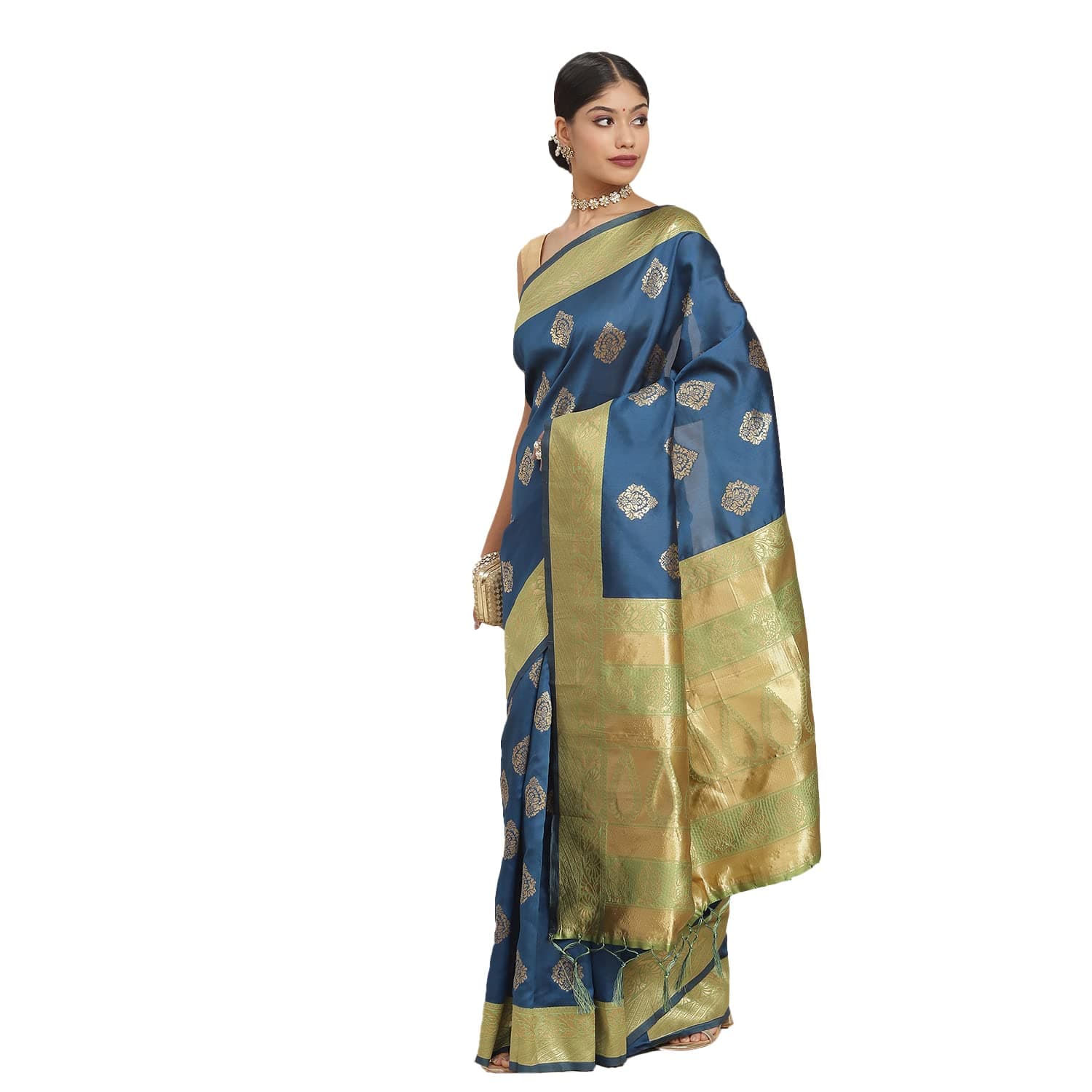
Ishin Women's Silk Blend Teal & Green Woven Design Saree with Blouse
 COD Available
ishin
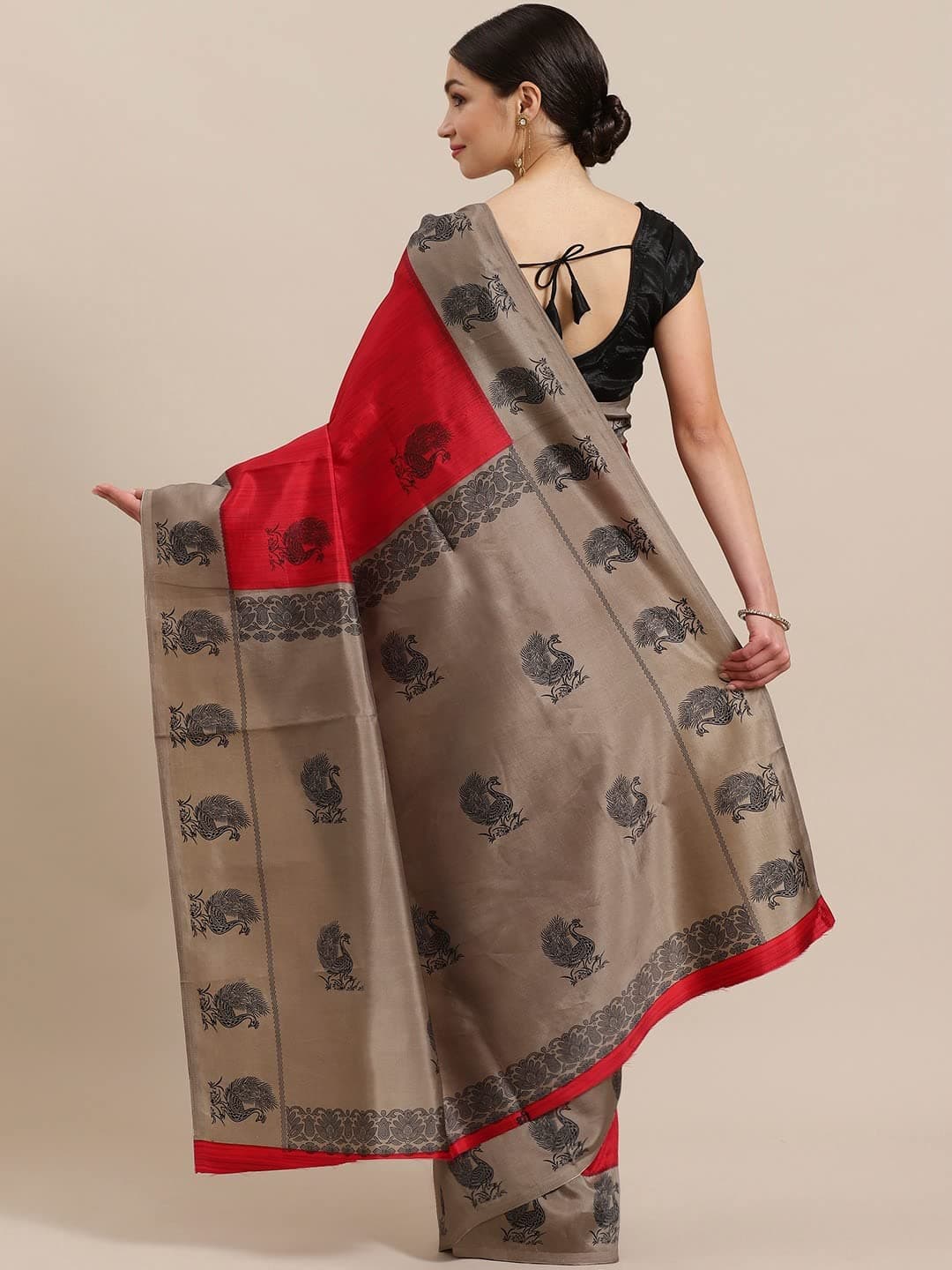
Ishin Women's Art Silk Maroon & Taupe Printed Saree
 COD Available
ishin
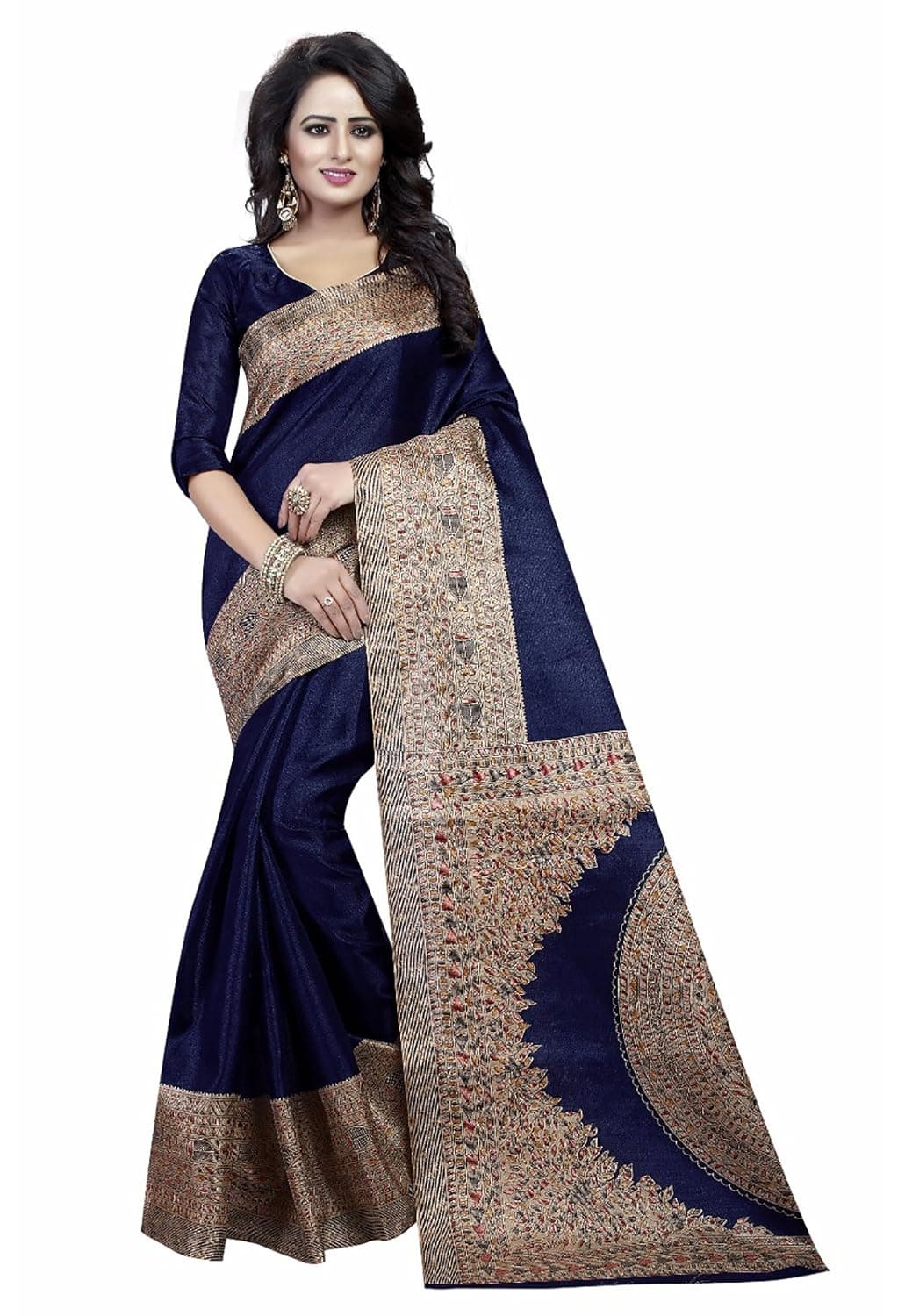
Ishin Women's Art Silk Navy Blue Saree with Blouse Piece
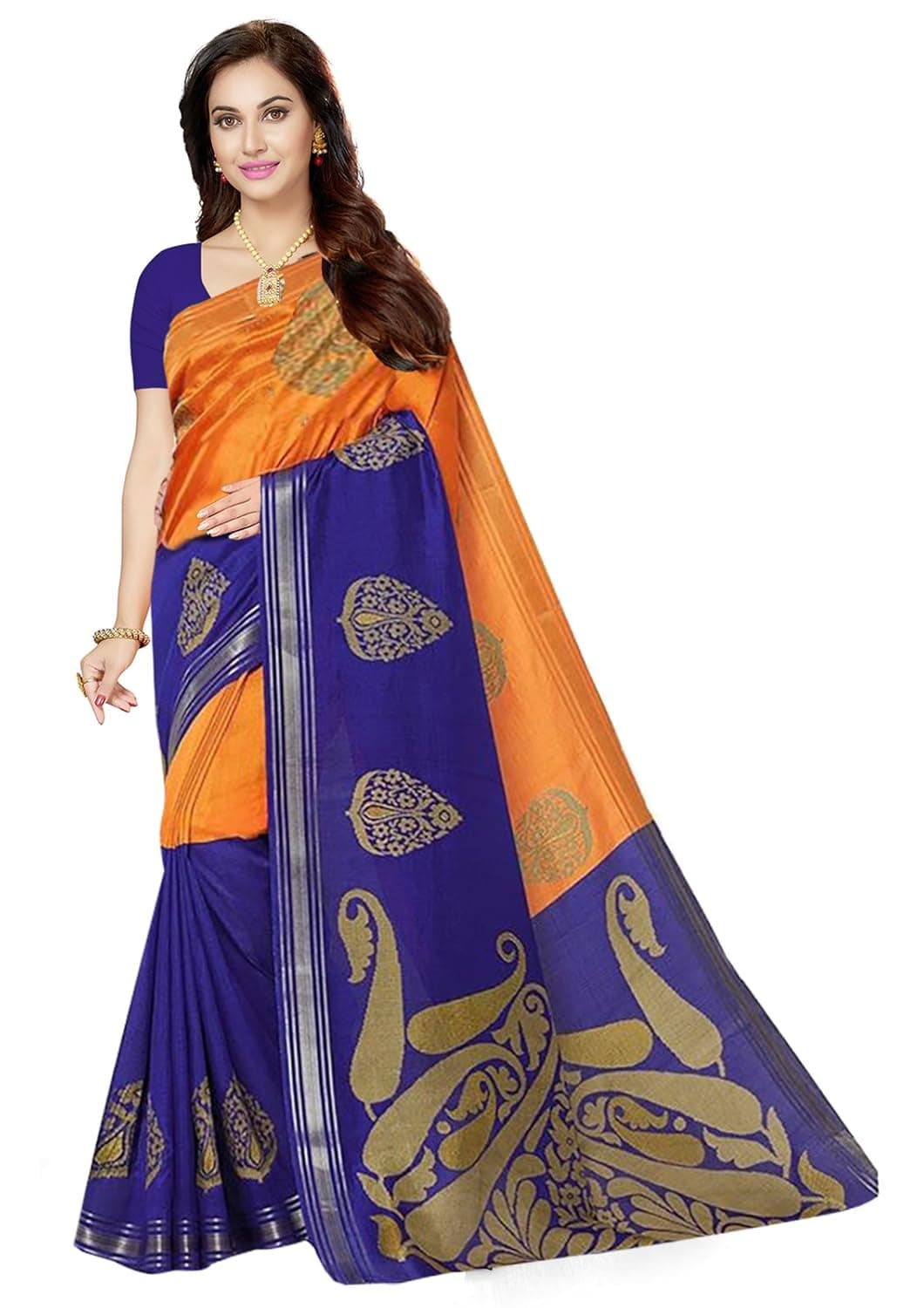 COD Available
ishin
Ishin Women's Art Silk Dark Blue & Orange Saree with Blouse
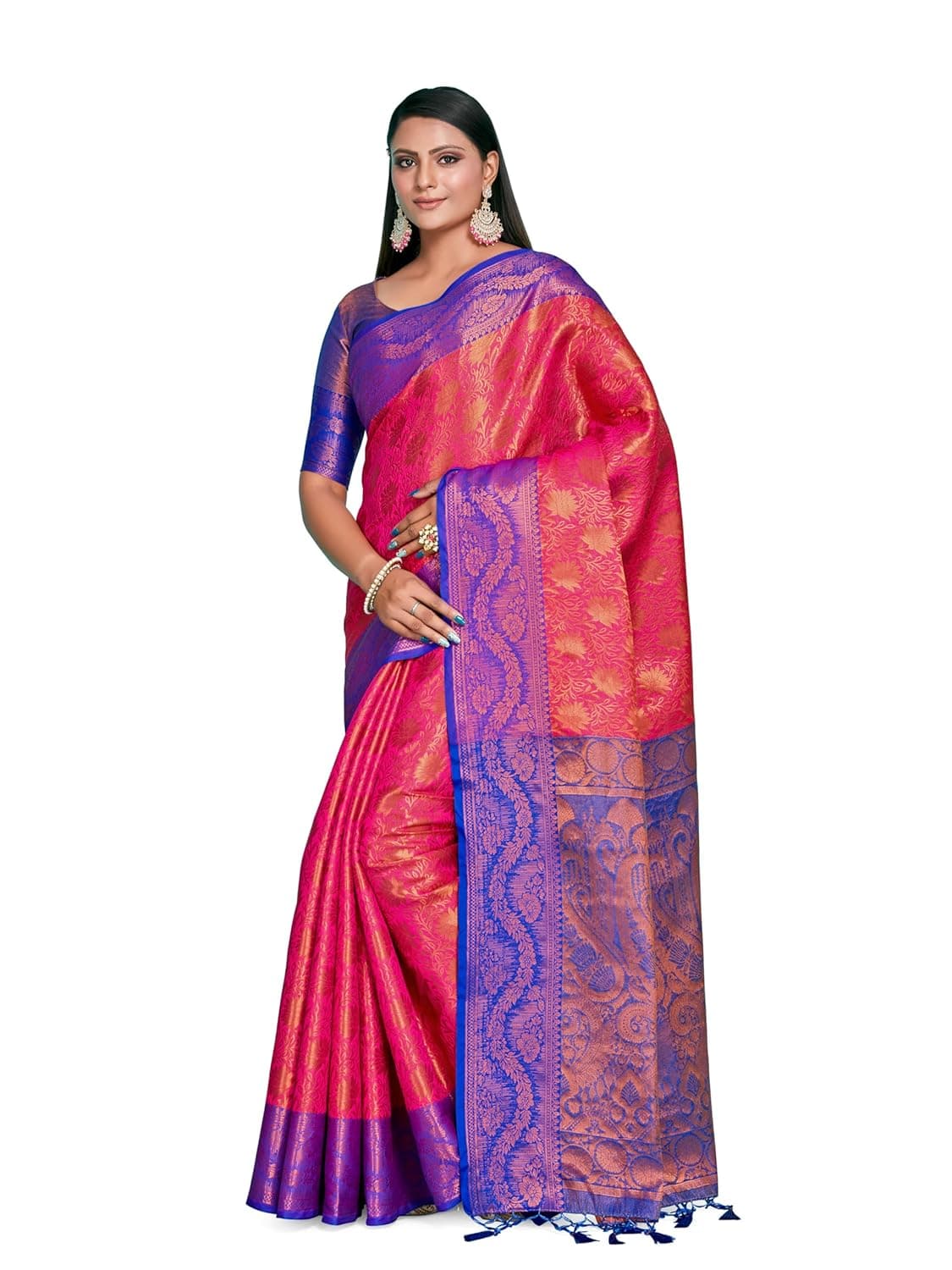 COD Available
mimosa
MIMOSA Women's Woven Design Kanjivaram Art Silk Saree Rani
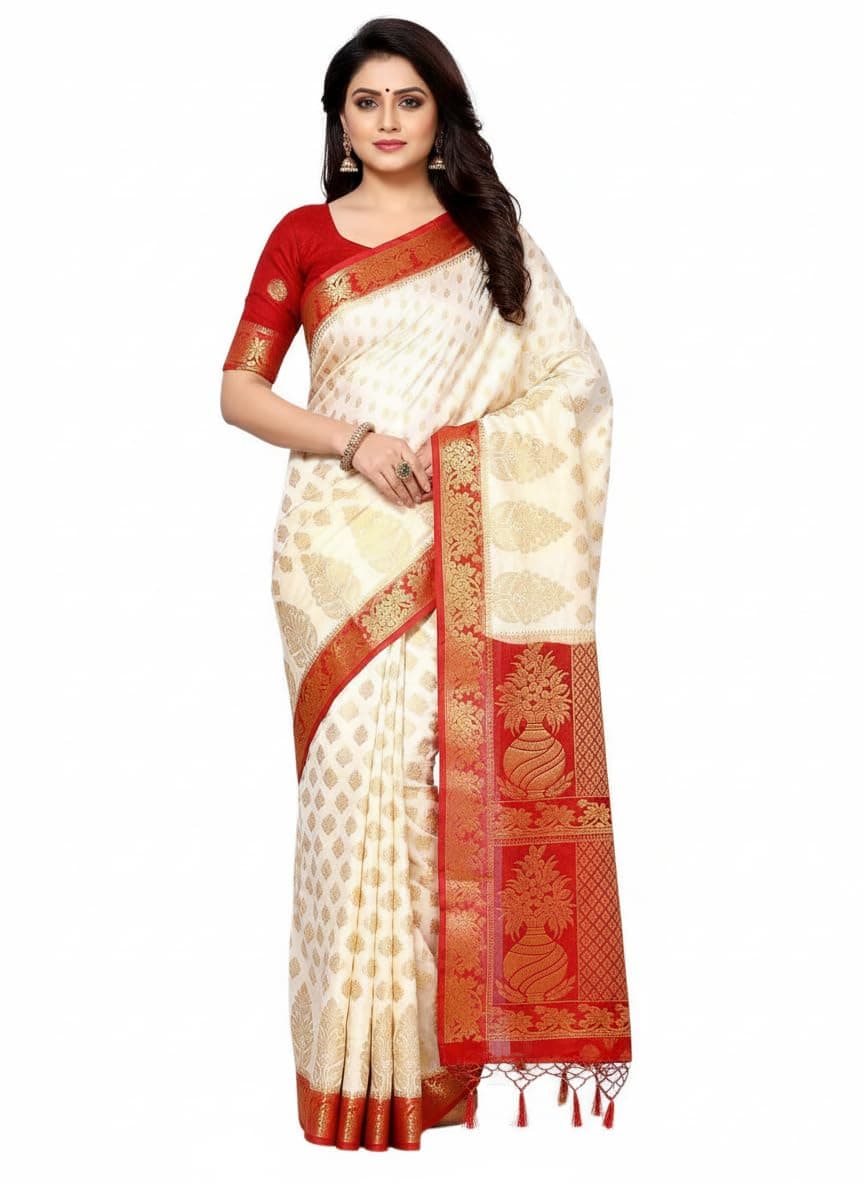 COD Available
mimosa
MIMOSA Women's Art Silk Saree Kanjivaram Style Beige
Price Guide
| Tier | Price Range | What You Get |
|---|---|---|
| Budget | Rs 2,500 – Rs 6,000 | Silk-cotton ikat with classic geometric patterns; excellent daily wear |
| Mid-Range | Rs 6,000 – Rs 18,000 | Pure silk single ikat; GI certified; festive and wedding occasion wear |
| Premium | Rs 18,000 – Rs 40,000+ | Double ikat or complex multi-colour silk ikat; collector quality |
Care & Maintenance
- Dry-clean for pure silk ikat; silk-cotton blends can be gently hand-washed in cool water.
- Ikat dyes are generally good for colourfastness but avoid soaking — brief hand-wash only.
- Iron at medium heat through a cotton cloth while slightly damp; ikat silk responds well to pressing.
- Store folded in muslin cloth; ikat sarees are relatively robust compared to heavier silks.
Styling Tips
Pochampally ikat's bold geometric patterns are a design statement — keep accessories simple. For a traditional Telangana look, pair with Dokra metalwork jewellery or simple gold. For contemporary styling, a single-colour plain blouse in a contrasting or tone-on-tone shade with silver geometric earrings is striking. The patterns work beautifully when the blouse is a deep pick from within the ikat colour palette.
OUR VERDICT
Pochampally ikat is the ideal everyday ethnic silk — it is wearable, versatile, well-priced, and genuinely crafted. The geometric patterns have a global design appeal that makes these sarees feel both traditionally Indian and fashion-forward. Invest in at least one silk-cotton ikat for your regular ethnic wardrobe rotation.