
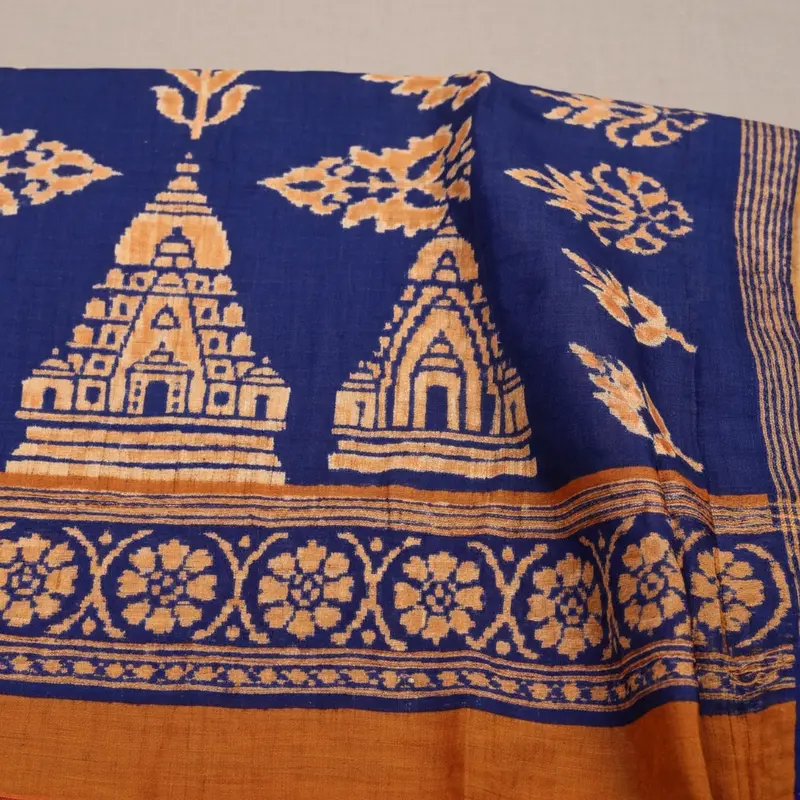
History & Origin
The Sambalpuri weaving tradition is associated with the Bhulia weaver community of western Odisha, who carry centuries of ikat expertise. The craft is centred in towns like Sambalpur, Sonepur, Bargarh, and Bolangir — a cluster of handloom-rich towns in the Mahanadi river basin. The ikat technique used in Sambalpuri is called 'Bandha' and involves tying (resist-binding) the yarns before dyeing to protect certain areas from the dye, creating patterns when unwound and woven.
The Sambalpuri saree gained national visibility in the 1990s and 2000s as Odisha pushed for recognition of its handloom heritage. The famous Pasapali pattern — a bold black-and-white or multi-colour diagonal chess-board design — became particularly iconic and is now widely recognised even outside Odisha. Today, Sambalpuri weavers produce both traditional and contemporary designs, successfully blending heritage motifs with modern colour palettes to attract younger buyers.
How to Identify Authentic Sambalpuri Silk
- Look for traditional Odishan motifs — Shankha, Chakra, Phula, and Pasapali patterns are distinctively Sambalpuri. These should be woven in (ikat) rather than printed on.
- Feathered ikat edges — like all genuine ikat, Sambalpuri shows slightly blurred edges to its patterns where the resist-dyed yarns meet — this feathering is a sign of authenticity.
- GI hologram tag — Sambalpuri silk carries GI certification; genuine pieces should have this tag.
- Check both sides — in single ikat Sambalpuri, the pattern is visible on the right side and blurred on the reverse; this distinguishes it from prints.
- The border — traditional Sambalpuri has an integrally woven contrast border, often in black or red with its own ikat motif.
Types of Sambalpuri Silk
| Type | Weight | Price Range | Best For |
|---|---|---|---|
| Sambalpuri Silk Saree (pure) | Medium | Rs 8,000 – Rs 60,000 | Festivals, weddings, Nuakhai |
| Sambalpuri Silk-Cotton Saree | Light-Medium | Rs 3,000 – Rs 12,000 | Daily ethnic, office, casual festive |
| Pasapali Sambalpuri | Medium | Rs 5,000 – Rs 25,000 | Contemporary fashion, statements |
| Sambalpuri Dupatta / Stole | Light | Rs 1,500 – Rs 6,000 | Gifting, styling with kurtas |
Best Brands for Sambalpuri Silk
Look for Odisha Handloom, Utkalika (Odisha government store), and weavers cooperative sellers on Amazon. Individual weaver sellers from Sambalpur, Bargarh, and Sonepur on marketplace platforms are reliable. Satrani and Mimosa carry ikat-inspired sarees that include Sambalpuri-style patterns.
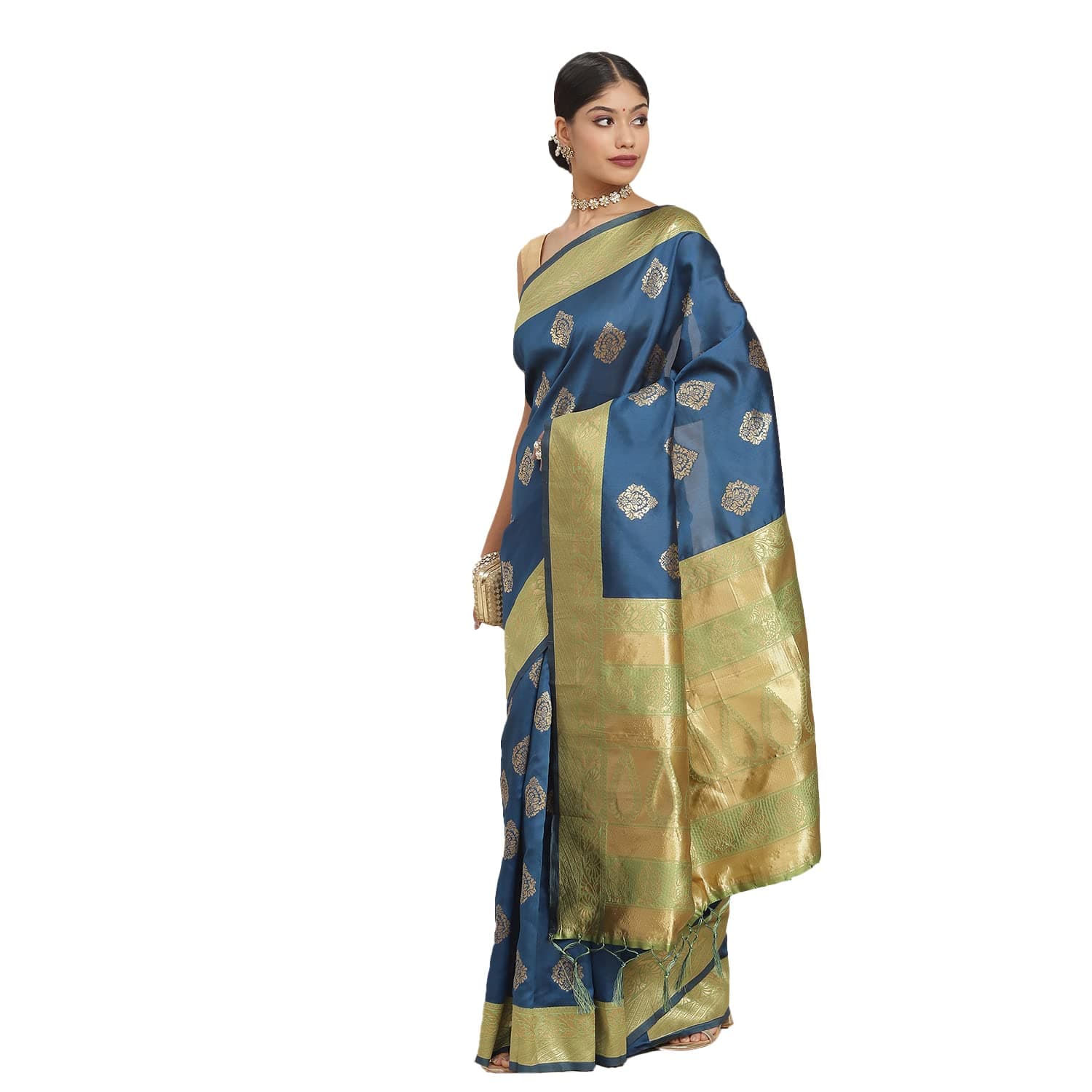 COD Available
ishin
Ishin Women's Silk Blend Teal & Green Woven Design Saree with Blouse
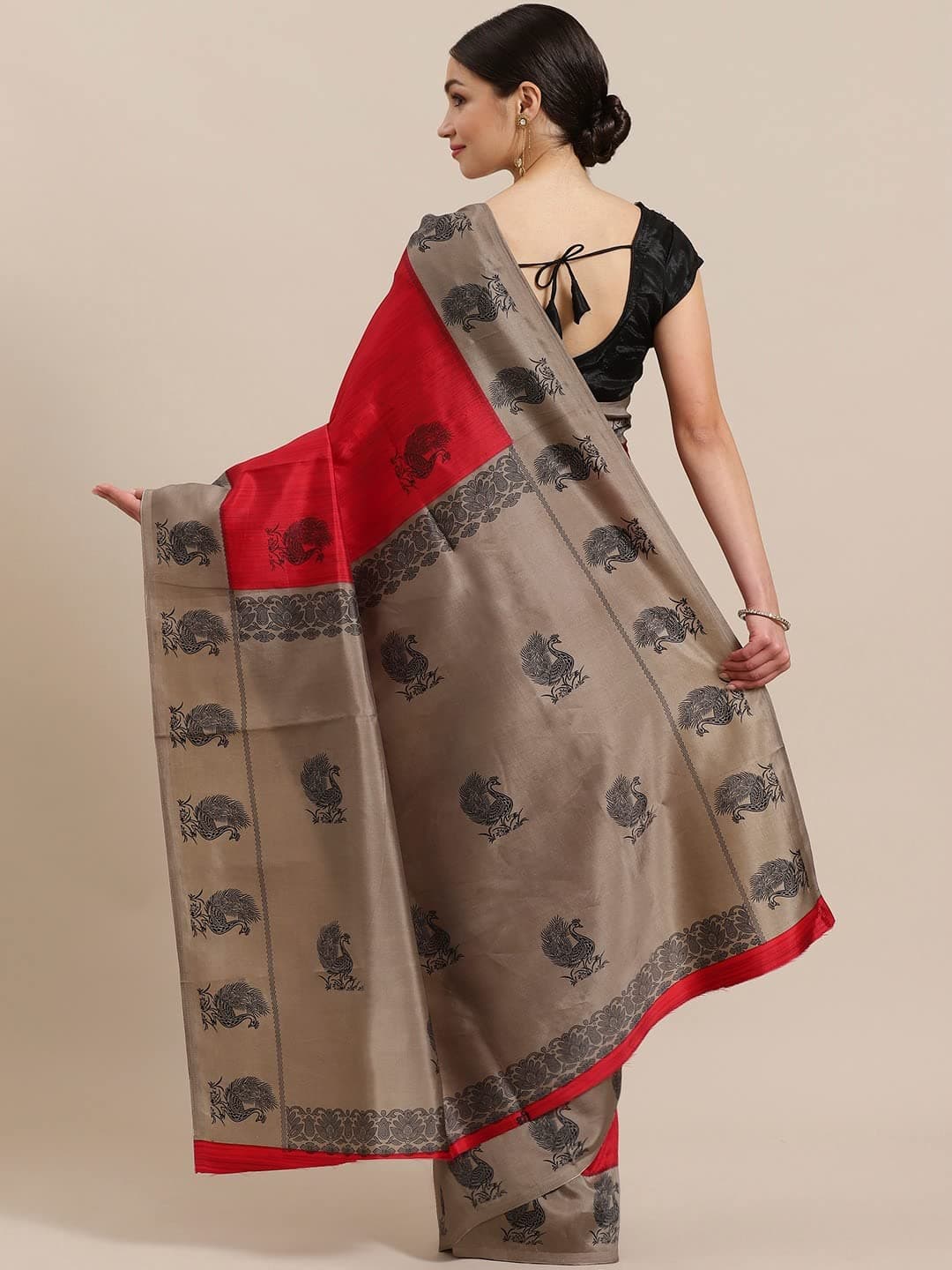 COD Available
ishin
Ishin Women's Art Silk Maroon & Taupe Printed Saree
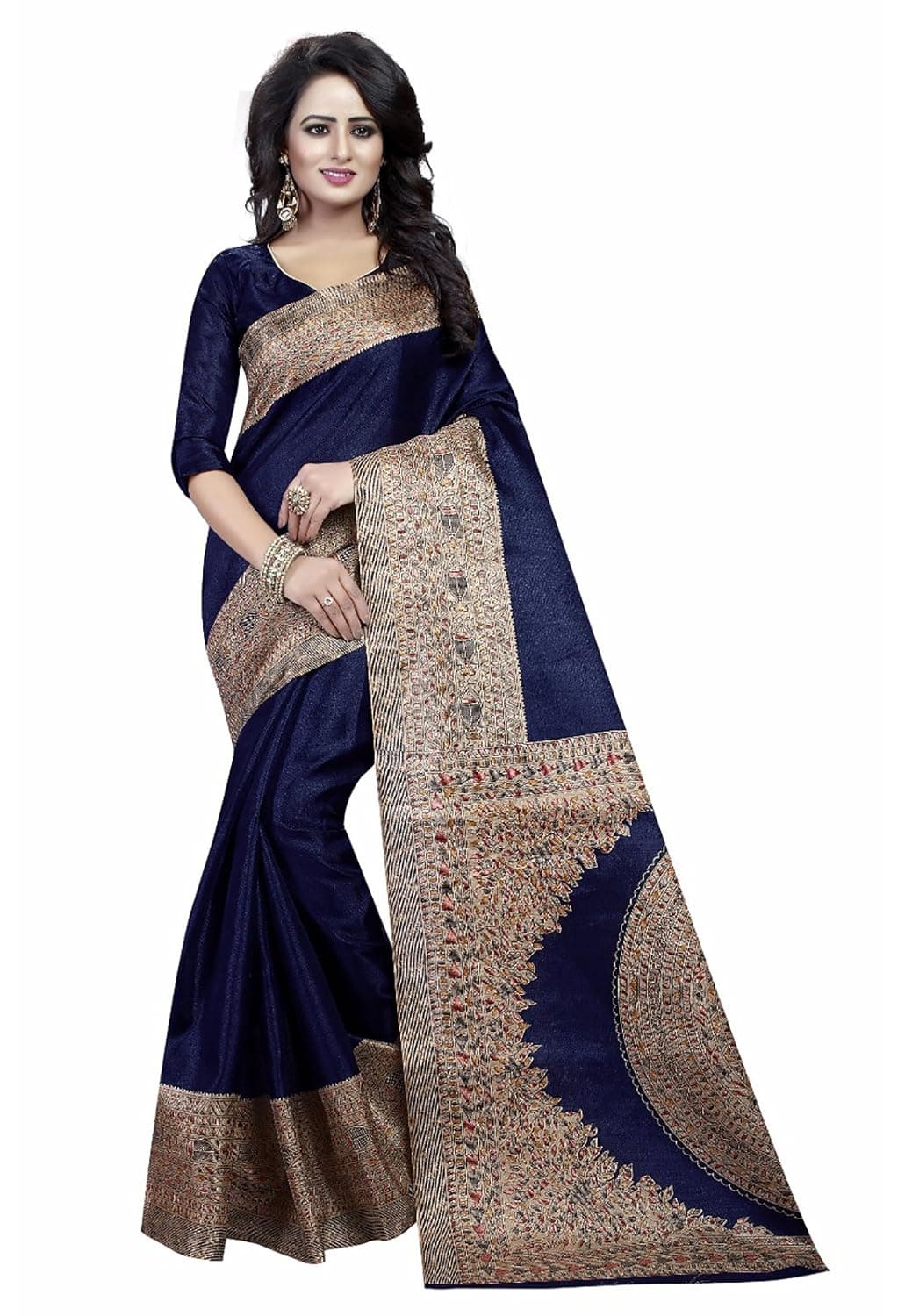 COD Available
ishin
Ishin Women's Art Silk Navy Blue Saree with Blouse Piece
 COD Available
ishin
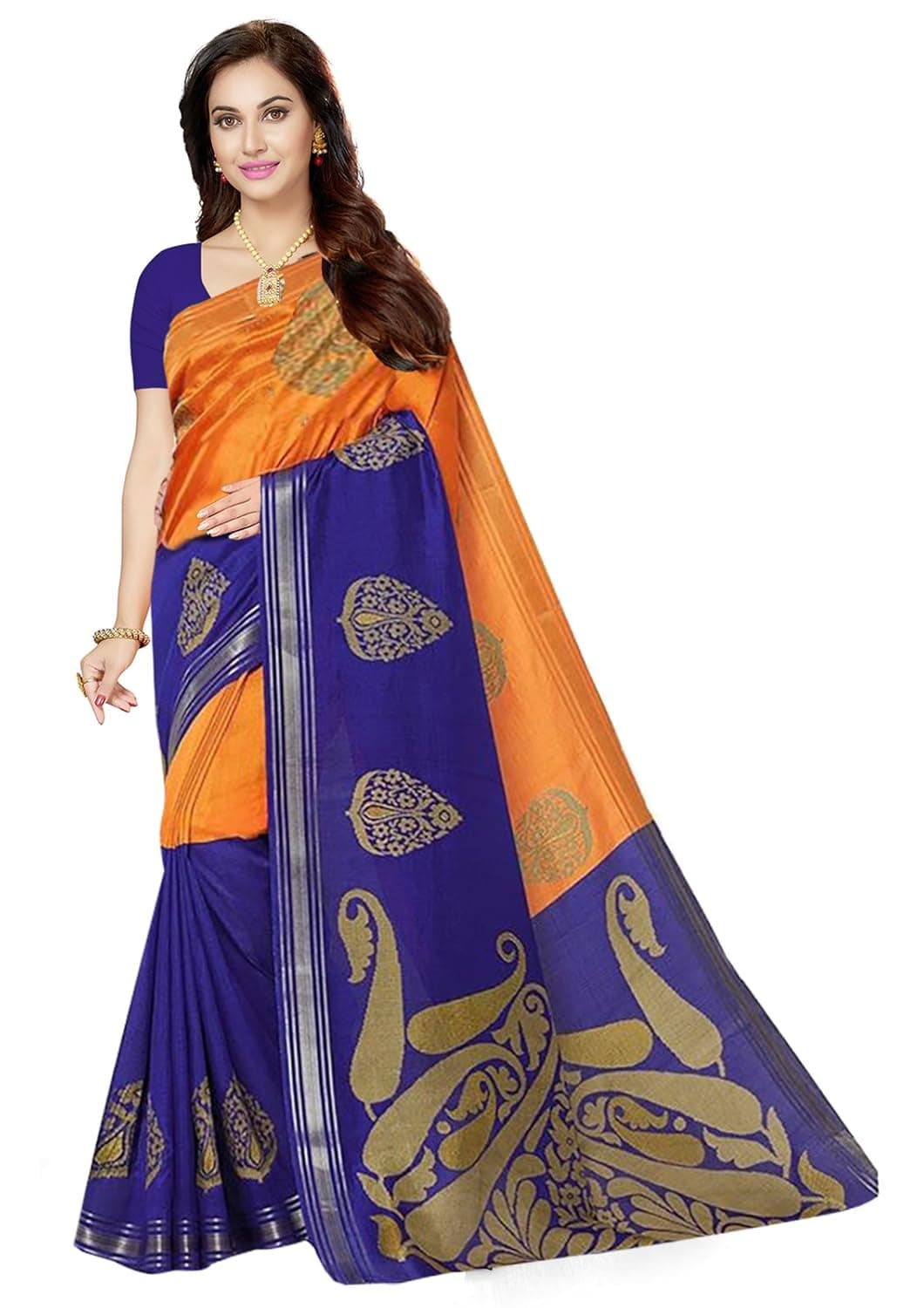
Ishin Women's Art Silk Dark Blue & Orange Saree with Blouse
 COD Available
mimosa
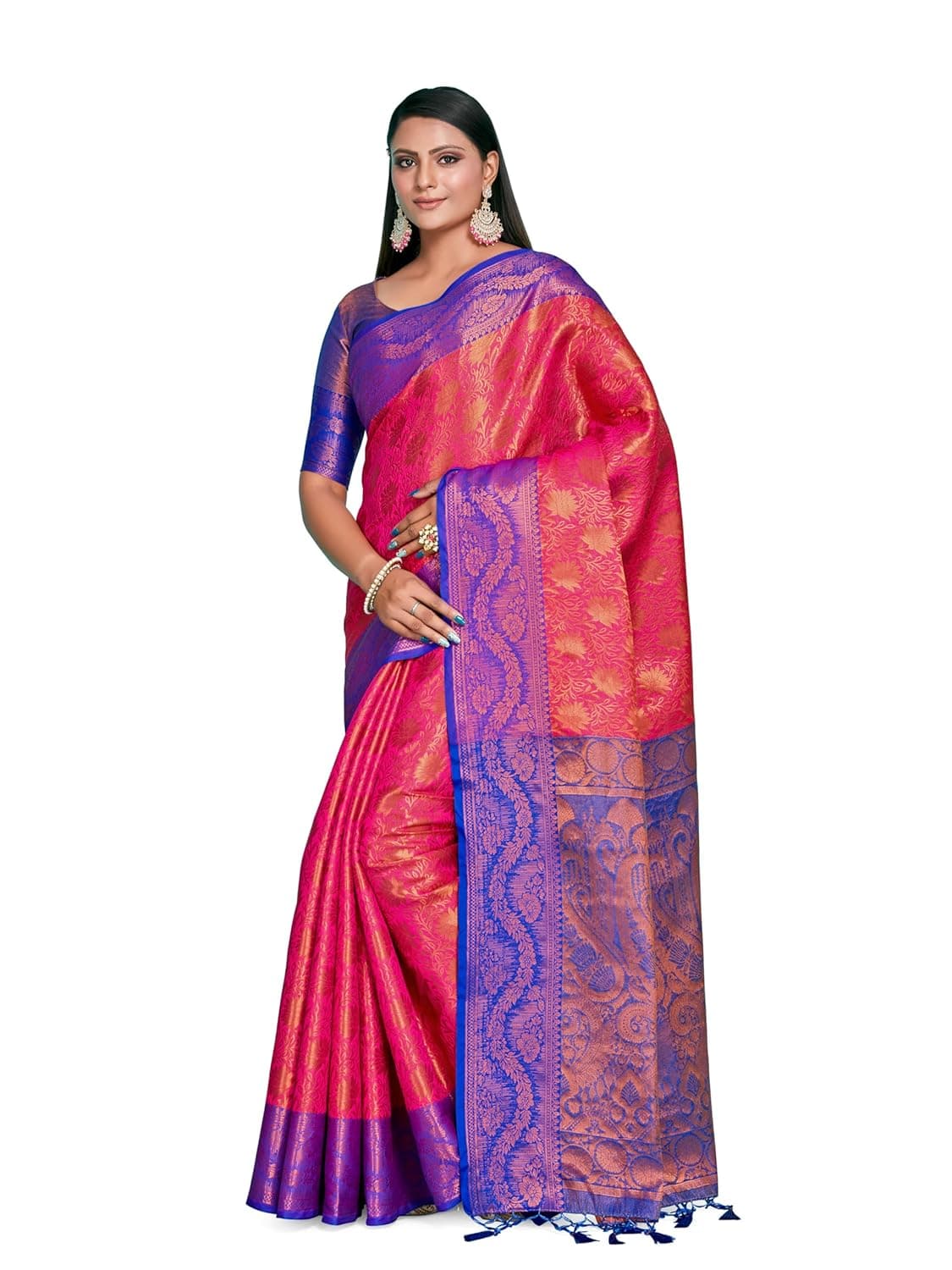
MIMOSA Women's Woven Design Kanjivaram Art Silk Saree Rani
 COD Available
mimosa
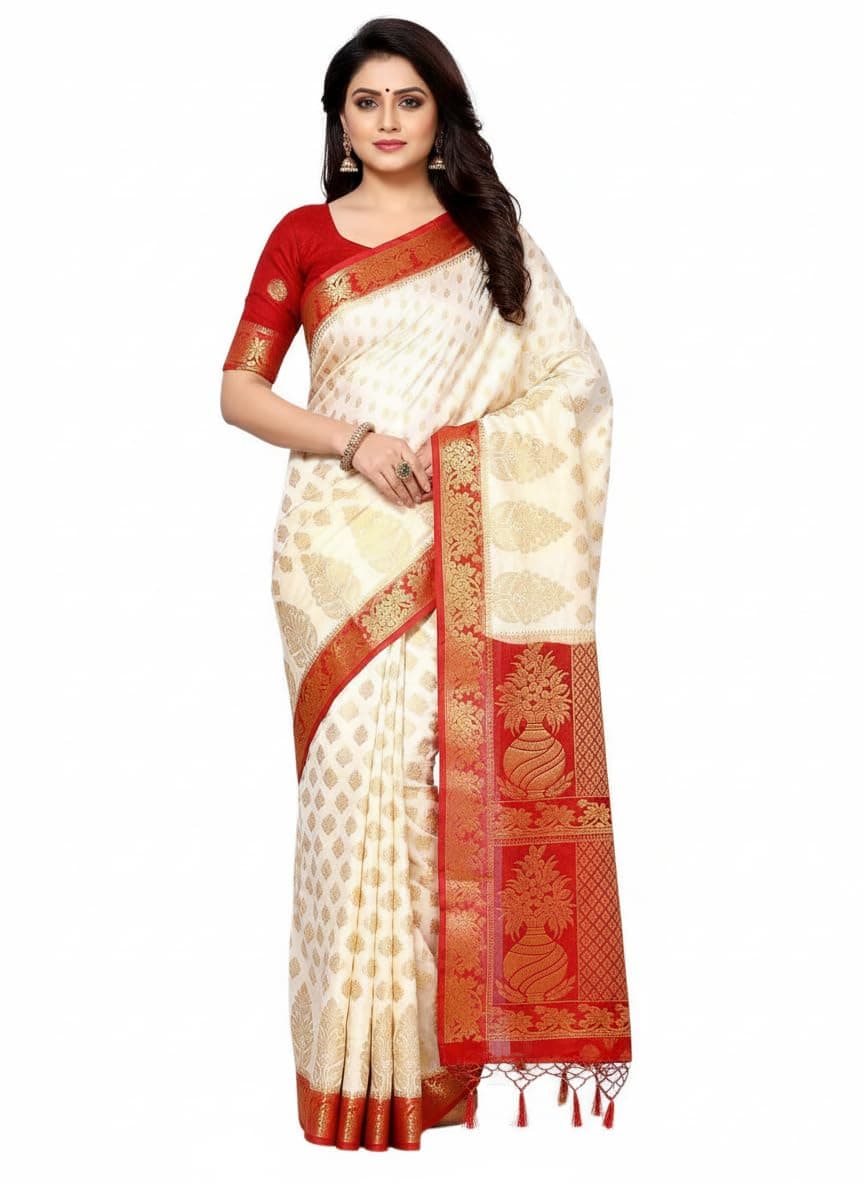
MIMOSA Women's Art Silk Saree Kanjivaram Style Beige
Price Guide
| Tier | Price Range | What You Get |
|---|---|---|
| Budget | Rs 3,000 – Rs 6,000 | Silk-cotton Sambalpuri ikat; good daily ethnic and casual festive option |
| Mid-Range | Rs 6,000 – Rs 20,000 | GI certified pure silk Sambalpuri with traditional motifs; festivals and weddings |
| Premium | Rs 20,000 – Rs 60,000+ | Master weaver complex Sambalpuri with real zari or elaborate multi-colour ikat |
Care & Maintenance
- Dry-clean for pure silk Sambalpuri; silk-cotton blends can be carefully hand-washed in cool water.
- Ikat dyes in Sambalpuri are generally good for colourfastness; do not soak or use harsh detergents.
- Iron at medium heat while slightly damp through a cotton cloth; the fabric responds well to light pressing.
- Store in muslin cloth; Sambalpuri's medium weight means it stores and travels well without excessive crumpling.
Styling Tips
Sambalpuri's bold geometric and floral ikat patterns look stunning with simple, clean jewellery — avoid fussy pieces that compete with the weave. Traditional Odishan jewellery in silver (Dhokra work, Tarakasi filigree) is a natural pairing. For a contemporary look, a Sambalpuri in classic Pasapali pattern with a solid colour blouse and geometric silver earrings is effortlessly sophisticated. The saree also looks excellent in the half-saree drape style.
OUR VERDICT
Sambalpuri silk represents everything great about Indian regional handloom — distinct identity, deep cultural significance, and exceptional craft. It deserves far more recognition outside Odisha than it currently gets. At its mid-range price point, it offers genuine handloom quality that is hard to beat anywhere in India.