
History & Origin
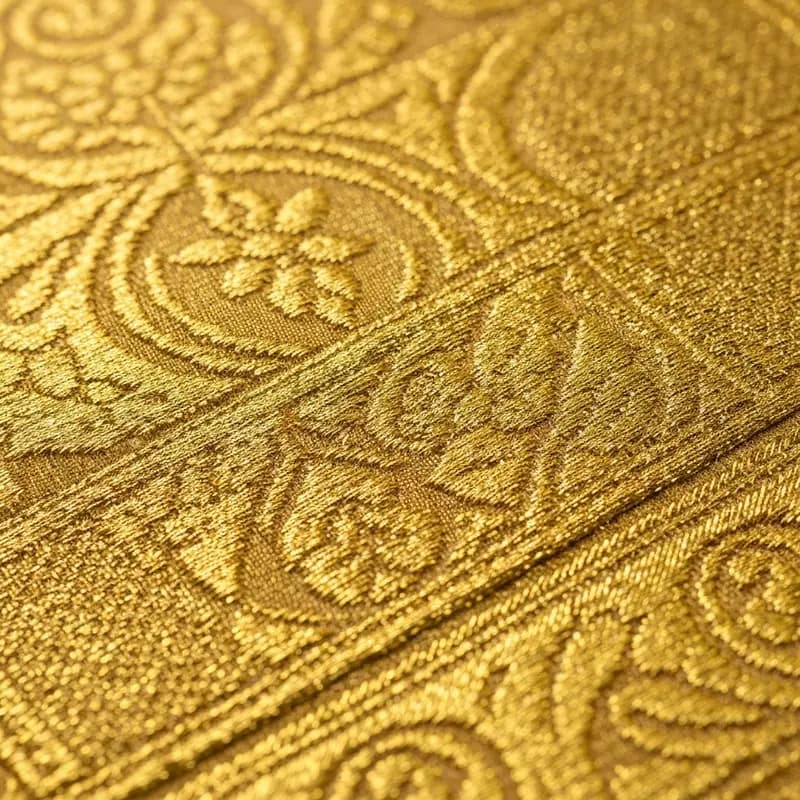
Zari thread production in India is centred in Surat (Gujarat), which has been the primary zari manufacturing hub since at least the 16th century. Surat's position as a port city gave it access to imported silver from West Asian trade, which was drawn into wire and wrapped around silk cores to create the thread. The city still produces approximately 70% of India's zari, with both real and imitation varieties manufactured in its textile mills and small workshops.
The use of zari in weaving is most famously associated with Varanasi (Banaras), where the Banarasi silk saree tradition elevated metallic thread weaving to extraordinary heights under Mughal patronage. Varanasi weavers developed the technique of creating woven brocade motifs using zari as both warp and weft elements, creating the dense, lustrous gold patterns that define Banarasi sarees. Zari is also central to the textile traditions of Kanchipuram (Tamil Nadu), Paithani (Maharashtra), and Rajkot (Gujarat).
How to Identify Real vs Imitation Zari
- Nitric acid test — real gold/silver zari does not tarnish with mild acid; imitation (copper or aluminium) turns dark or green — ask a trusted retailer to demonstrate on a sample
- Tarnish observation — real silver zari tarnishes to a warm grey with age (recoverable with polish); real gold zari ages to deeper gold; bright, unchanged metallic after years indicates imitation
- Weight — real zari thread has more weight than imitation; a saree with real zari border feels heavier at the pallu and border area compared to imitation zari of same visual density
- Price reality — a Banarasi saree with real gold zari border starts Rs 8,000–10,000; anything with claimed 'real zari' below Rs 5,000 is imitation
- Documentation — premium zari products can come with hallmarking; some Varanasi weavers provide certificates for real-zari Banarasi sarees
Types & Varieties
| Type | Characteristic | Price Range | Best For |
|---|---|---|---|
| Real gold zari | Actual gold/silver wrapped on silk core, tarnishes authentically | Rs 8,000–2,00,000+ | Heirloom sarees, bridal, collector pieces |
| Imitation/kora zari | Copper or aluminium with metallic coating, consistent bright shine | Rs 500–8,000 | Festive kurtis, occasion wear, budget festive |
| Silver zari | Real silver-plated thread, used in specific regional traditions | Rs 5,000–80,000 | Specific regional bridal wear (Kodavas, Konkani weddings) |
| Antique zari | Pre-oxidised for vintage look, modern imitation with aged finish | Rs 800–10,000 | Heritage aesthetic, fusion bridal looks |
Best Brands
For Banarasi sarees with real zari, Meena Bazaar's handloom section and Varanasi weaver cooperatives (like UP Handloom Corporation) are reliable. Designer labels like Tarun Tahiliani and Ritu Kumar use real zari in their couture sarees with documentation. For quality imitation-zari festive wear at honest prices, Biba, Manyavar, and Sundari Silks offer consistently good value. Surat zari manufacturers supply both categories — Surat's wholesale markets offer buyer-direct pricing.
 COD Available
biba
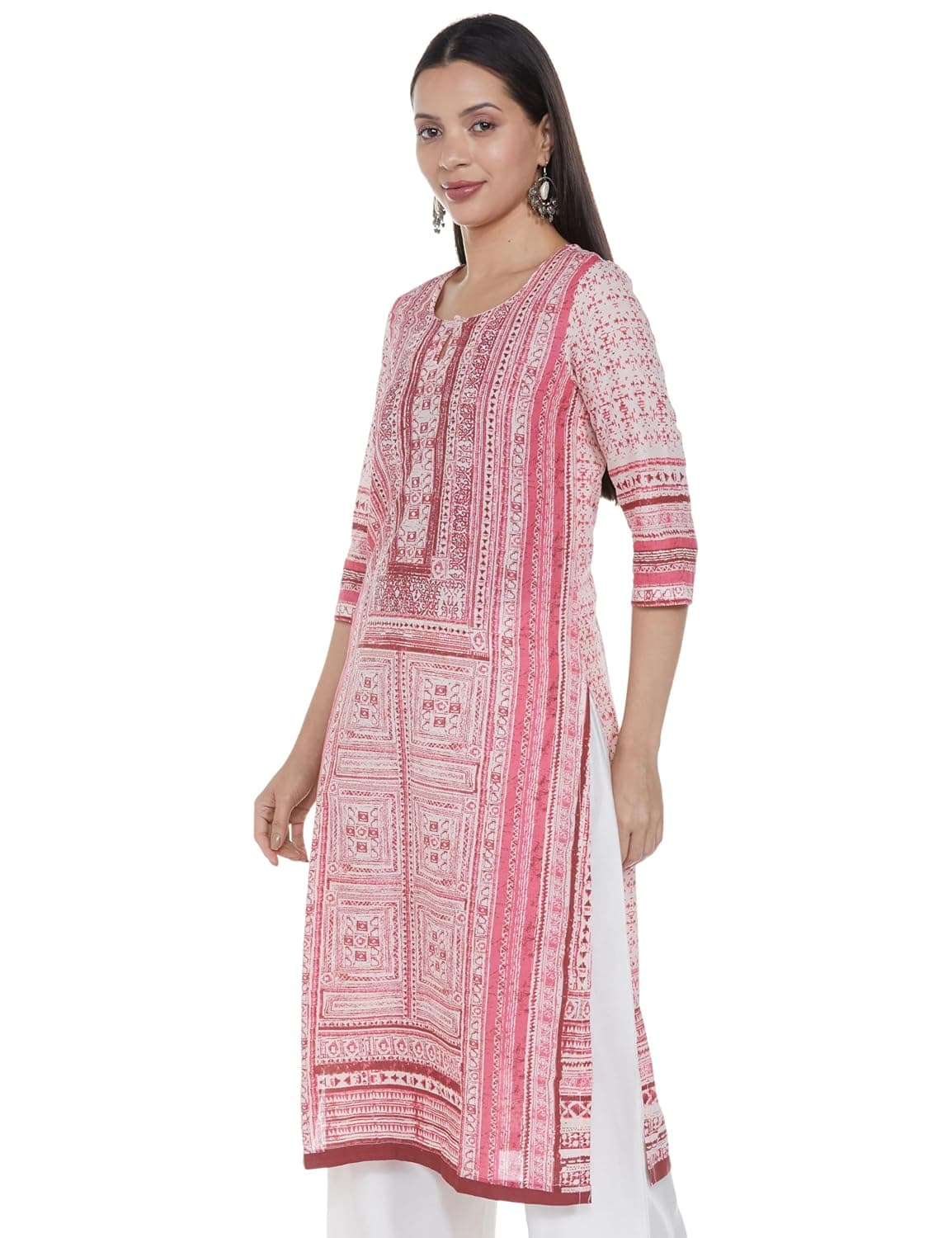
BIBA Women's Cotton Straight Printed Kurta
 COD Available
biba
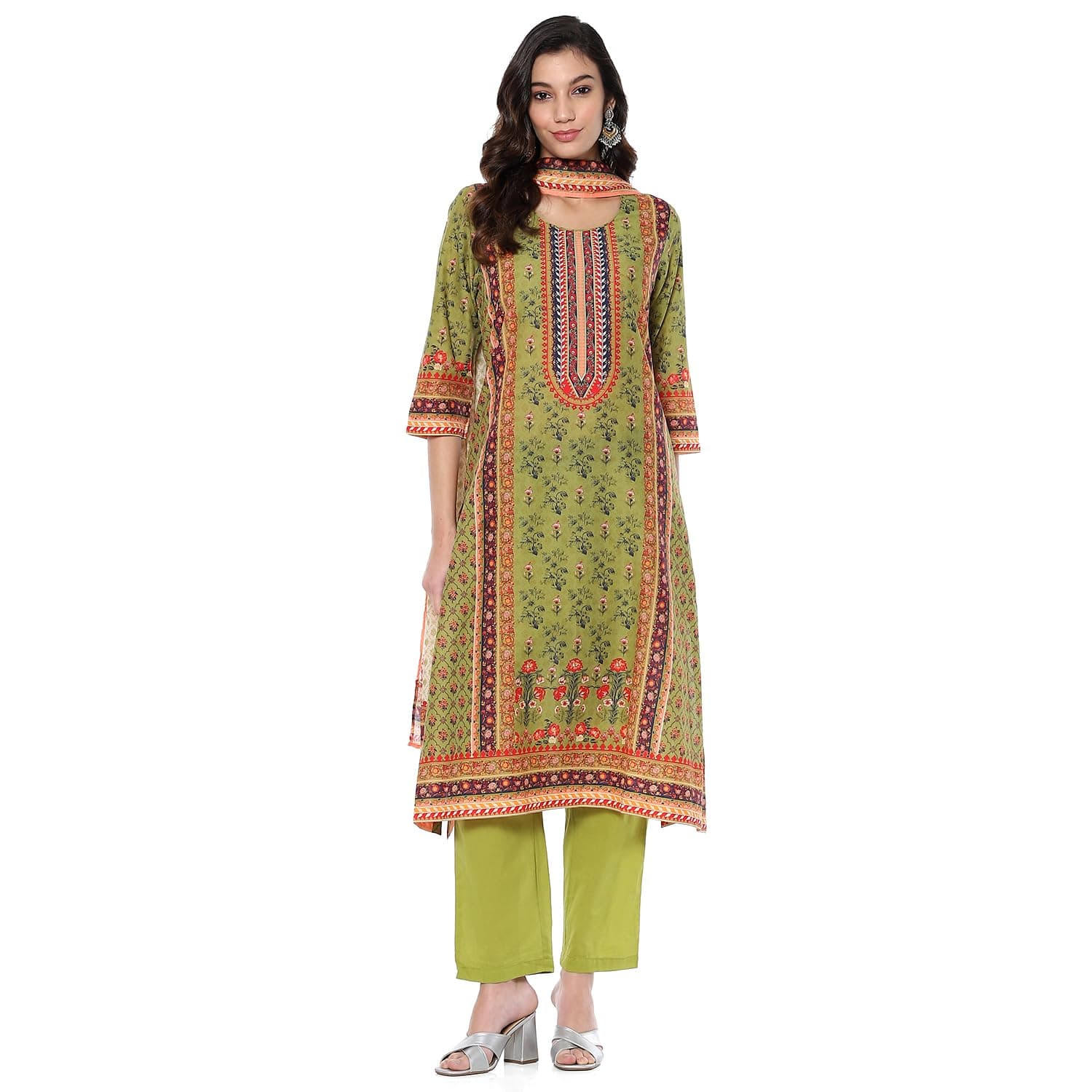
BIBA Women's Cotton Printed Kurta Set with Dupatta
 COD Available
biba
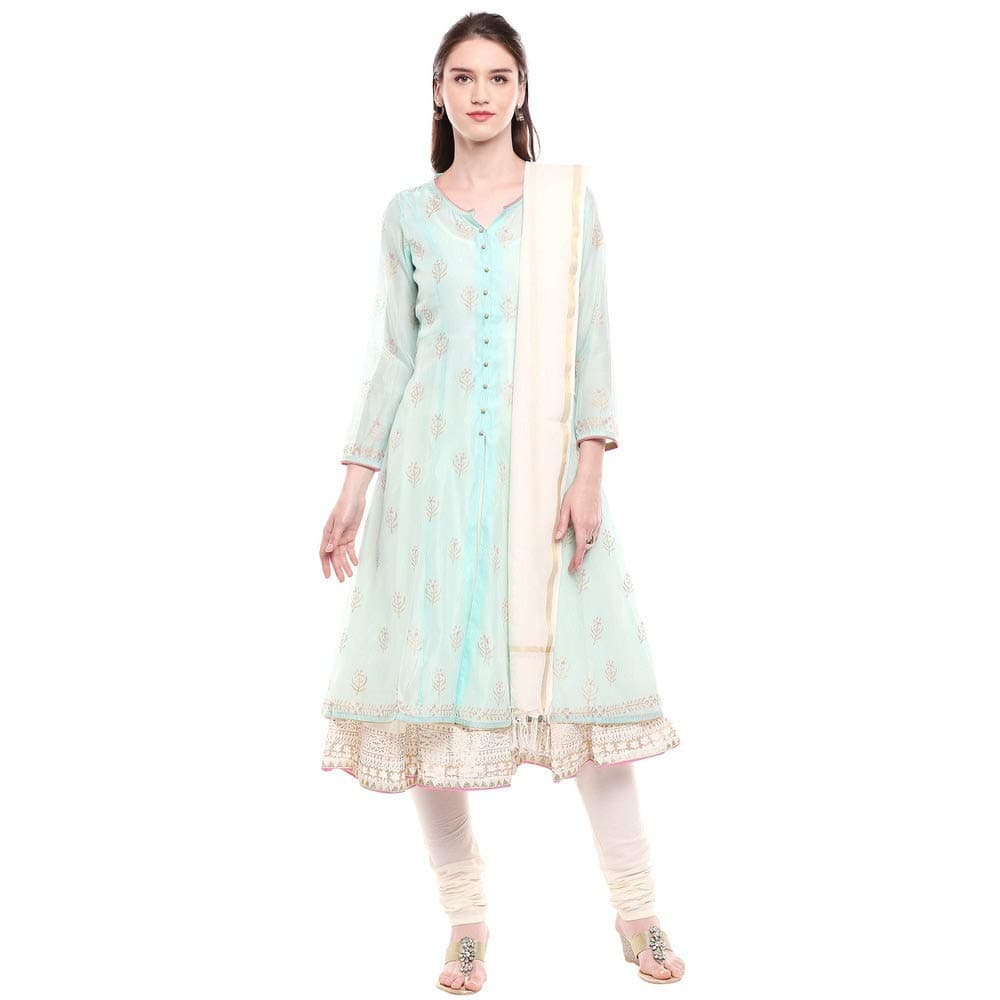
BIBA Women's Cotton A-Line Churidar Suit
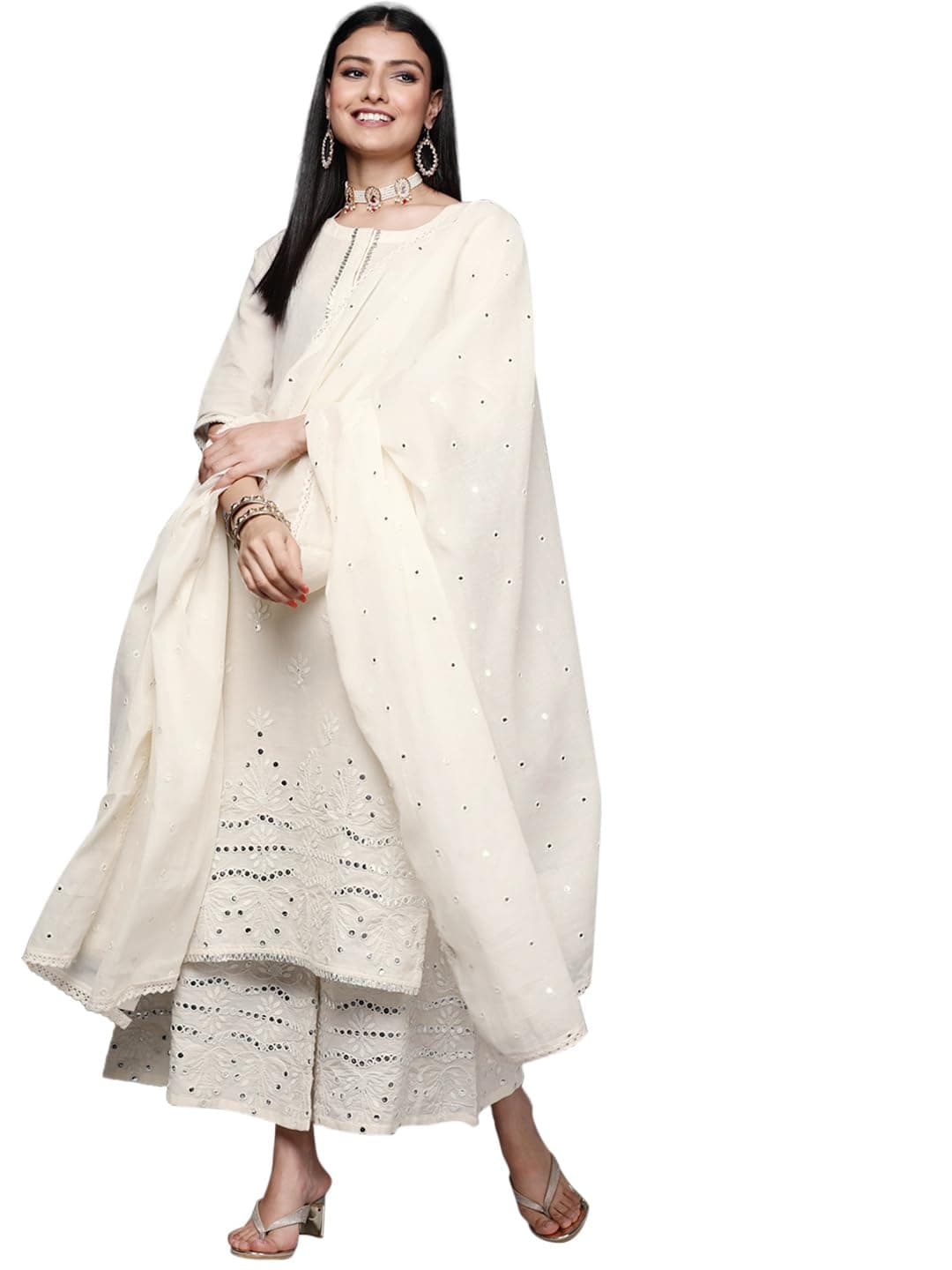 COD Available
libas
Libas Women's Embroidered Cotton Straight Kurta with Palazzos & Dupatta
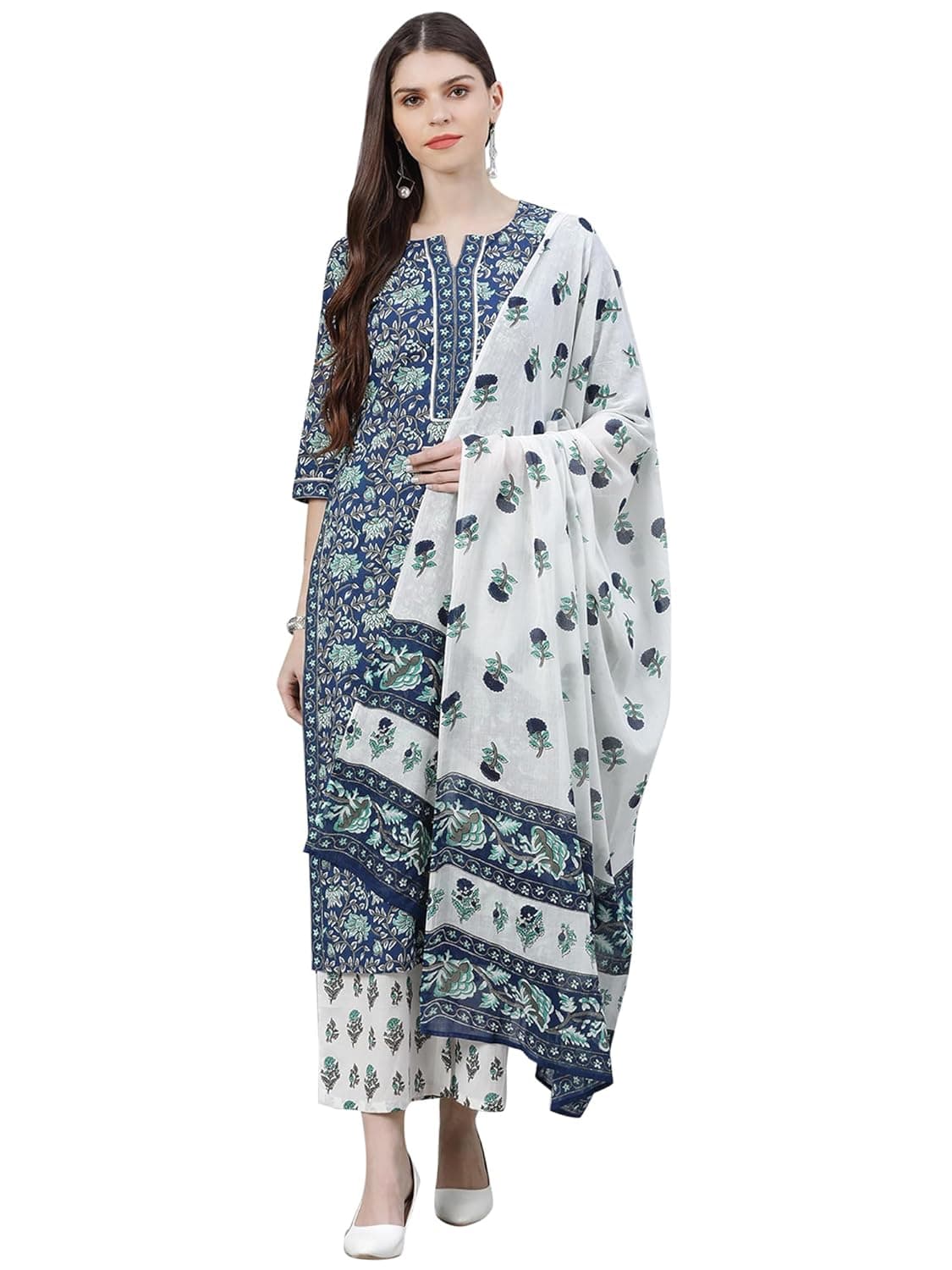 COD Available
libas
Libas Women's Cotton Printed Kurta Set Multicoloured
COD Availablelibas
Libas Printed Silk Blend Round Neck Kurta Pant Set Pink
Price Guide
| Tier | Price Range | What You Get |
|---|---|---|
| Imitation zari | Rs 500–4,000 | Festive kurtis and sarees with consistent metallic borders, no tarnish |
| Quality imitation/light real | Rs 4,000–15,000 | Better quality occasion sarees, some with partial real zari |
| Real zari heirloom | Rs 15,000–2,00,000+ | Authentic Banarasi or Kanjivaram with real gold/silver zari, certified |
Care & Maintenance
- Dry clean for any saree or garment with significant zari — water causes imitation zari to tarnish irreversibly
- Store in a muslin or cotton bag — air circulation prevents moisture buildup that causes metal tarnish
- Wrap in acid-free tissue — the mild acidity of regular tissue paper can tarnish real silver zari over time
- Do not spray perfume or deodorant near zari — chemicals accelerate imitation zari's metallic coating deterioration
- Professional pressing only for heavy zari garments — iron heat directly on zari can melt metallic coating on imitation threads
Styling Tips
Zari work speaks loudest in low or warm lighting — candle-lit wedding halls, evening receptions, and diwali parties are where zari-heavy garments truly come alive as the metallic threads catch and scatter light. For daytime, choose pieces with lighter zari density to avoid overwhelming. A zari-bordered silk saree needs no necklace if the blouse and border carry the gold — the metal already provides all the jewellery effect the outfit needs.
OUR VERDICT
Zari is woven into the DNA of Indian festive dressing — it is the material signifier of ceremony and celebration. Knowing the difference between real and imitation zari helps you make informed purchases at the right price. Both are valid choices; real zari is an investment that appreciates and passes to future generations, while quality imitation zari gives you the festive look at a fraction of the cost. Be informed, buy intentionally, and enjoy the gold.